
 AUS
AUS
 NZ
NZ
 UK
UK
 CA
CA
 USA
USA
 IND
IND






Highlights
- Overview of the general merchandise retail domain
- Examination of Target Corporation (NYSE:TGT) across multiple retail categories
- Insight into the structural dynamics surrounding large-scale retail operations
Comprehensive narrative detailing Target Corporation within the general merchandise retail sector, highlighting category structure, supply operations, merchandising activity, and broader retail environment characteristics.
The general merchandise retail sector spans an extensive landscape of apparel, household essentials, personal care goods, consumer items, and wide-range product assortments found across expansive store formats. Target Corporation (NYSE:TGT) operates within this domain as part of the wider S&P 500 Index, contributing to a broad network of retail activity that extends across numerous product segments and supply arrangements. This environment is defined by the continuous flow of goods, evolving merchandising methods, adaptable sourcing strategies, and wide-ranging assortments that support many categories. Retail operations in this field reflect shifting consumer patterns, season-driven product cycles, and extensive logistical systems that maintain consistent product availability within diverse store networks.
Retail sector structure
The retail domain incorporates an expansive assortment of product classes, including apparel, personal care goods, home essentials, beauty products, accessories, and household supplies. These categories are distributed across large retail spaces designed to support broad consumer access and category coverage. Retail structures emphasize consistent stock maintenance, category diversity, and streamlined distribution channels that enable wide availability of items used across varied daily needs.
General merchandise retailers integrate multiple departments into unified store formats, creating environments that organize broad product ranges into distinct categories. This structure allows for diverse offerings across apparel, home goods, pantry staples, household maintenance supplies, and lifestyle-focused merchandise. The sector relies on extensive supply systems, distribution facilities, and inventory coordination to maintain consistent product flow.
Target Corporation within the retail environment
Target Corporation (NYSE:TGT) functions as a prominent entity within the general merchandise segment, maintaining a presence across apparel, home essentials, lifestyle categories, and everyday household products. TGT appears frequently in discussions involving broad-reach retail activity due to its multifaceted category structure and diverse merchandise assortment. The company oversees store formats designed to encompass varied product segments while maintaining operational continuity across wide distribution networks.
TGT engages in retail activities that encompass numerous product lines, each supported through coordinated supply, distribution, and merchandising processes. Apparel departments cover goods for multiple age ranges and style categories. Personal care and beauty sections address grooming, wellness, and daily-use items. Home departments incorporate household goods, cleaning essentials, paper-based products, and storage items. Pet-care areas feature supplies tailored to animal wellness and daily maintenance requirements.
Through these diverse categories, TGT continues to participate within a complex retail framework shaped by seasonal trends, category expansions, product rotations, and merchandising adjustments.
Merchandise categories across the brand
Target Corporation (NYSE:TGT) operates across a wide spectrum of merchandise divisions. Apparel represents a central part of the assortment, spanning clothing for adults, teens, children, toddlers, and infants. This category integrates multiple style groupings, fabric types, and accessory selections.
Beauty and personal care goods support grooming routines, wellness practices, and daily usage patterns. This section includes skin-care essentials, hair-care items, bath products, fragrances, and related accessories. Cleaning products, paper essentials, and household maintenance items form another essential segment within the store environment, reflecting everyday necessities found across homes and workspaces.
Pet supplies offer goods suited for feeding, grooming, play, and comfort across varied animal types. Baby gear supports early-stage care with equipment, accessories, and essentials designed for developmental and daily needs. Together, these categories contribute to a retail presence built upon broad variety and extensive product access.
Retail logistics and supply mechanisms
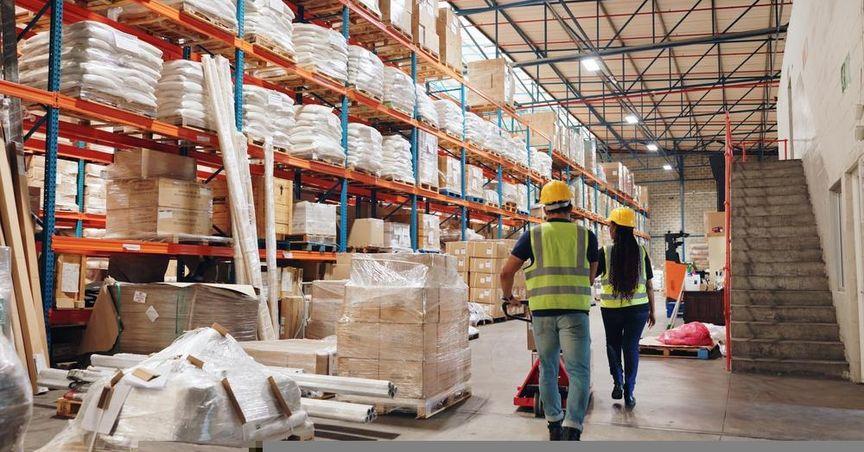
Supply operations represent a foundational component of general merchandise retail. Distribution systems encompass storage facilities, logistics centers, and coordinated supply channels that facilitate shipment movement, merchandise replenishment, and ongoing stock updates. These systems support timely category rotation and consistent product flow across retail locations.
Retail logistics incorporate transportation arrangements, warehouse coordination, vendor communication, and inventory management processes that ensure merchandise continuity. Store replenishment depends on accurate forecasting systems, category-specific supply patterns, and responsive sourcing arrangements that align with seasonal and ongoing retail demands.
Merchandising practices in general retail
Merchandising structures influence how items are arranged, presented, and communicated across store environments. Category organization, product placement, and visual layout strategies shape navigation patterns and category engagement. Seasonal transitions influence rotational changes in apparel, decor, and household assortments, guiding shifts in displays and product emphasis.
General retail merchandising frequently adapts to evolving style trends, home-care practices, personal care routines, and shifting consumer priorities. Product groupings reflect coordinated arrangements aligned with lifestyle themes, household needs, or seasonal motifs. These arrangements support a cohesive flow across departments while providing structured category visibility.
In-store experience and environmental layout
In-store environments integrate multiple departments into structured layouts that support directional navigation, category grouping, and natural movement through merchandise areas. Apparel divisions often feature segmented departments organized by demographic category. Home-care sections prioritize practical arrangement of household essentials, cleaning products, and paper goods. Beauty and personal care areas emphasize grouped product categories aligned with grooming and wellness routines.
Retail environments utilize clear directional signage, accessible aisle structures, and organized displays to maintain consistency across store formats. Store layouts remain shaped by product volume, seasonal rotation, and category prominence.
Market dynamics shaping the retail sector
Broad retail patterns influence how merchandise categories evolve, shift, or expand across general merchandise environments. Seasonal changes, cultural trends, and shifting lifestyle priorities shape product development and category adoption. Transformations in material sourcing, packaging trends, and manufacturing methods influence category consistency across apparel, household goods, and personal care items.
Retail technology also shapes shifting dynamics. Modern inventory systems, digital product labeling, and updated stock-monitoring frameworks support accuracy across category replenishment and distribution processes. These systems contribute to smoother transitions during seasonal category turnover and supply adjustments.
Product assortment variations
Apparel assortments frequently reflect fabric changes, trend-aligned styles, and seasonal variations. Color themes, pattern selections, and design adaptations shift throughout the calendar, influencing updates across adult, teen, and children’s sections.
Household essentials incorporate evolving material improvements, scent variations, packaging updates, and usage adaptations across cleaning goods, paper supplies, and home-care products. Baby gear evolves based on developmental stages, comfort needs, and shifts in product design and safety compliance.
Pet supplies include variations in toys, grooming accessories, feeding products, and bedding options, each shaped by material durability, comfort enhancements, and animal-care considerations.
TGT references within retail discussions
Target Corporation (NYSE:TGT) is referenced across discussions involving general merchandise retail due to its wide category range and operational reach. TGT appears in narratives involving apparel, home goods, lifestyle items, and seasonal product transitions. The company’s presence across these domains underscores its alignment with broad retail functions involving multi-category store structures, wide-area distribution networks, and expansive merchandise assortments.
