
 AUS
AUS
 NZ
NZ
 UK
UK
 CA
CA
 USA
USA
 IND
IND

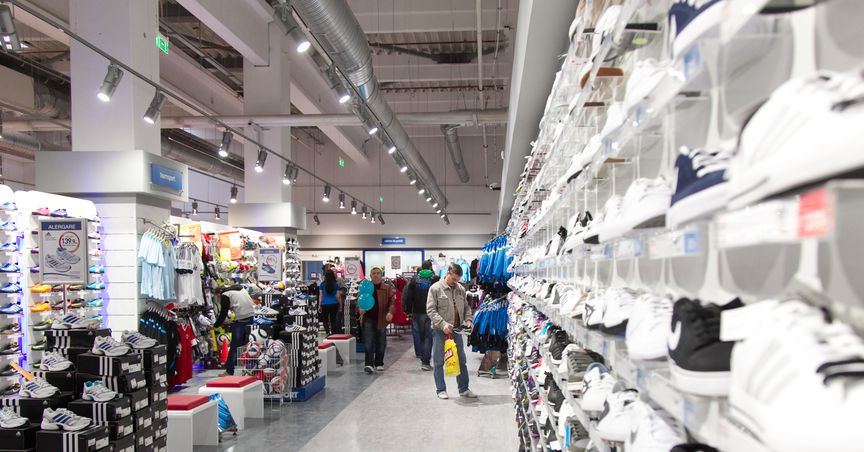




Highlights
- Designer Brands continues to attract attention in the retail footwear space.
- Market valuation discussions remain central to the company’s outlook.
- Consumer demand and brand strategy remain key growth drivers.
Designer Brands continues drawing attention within the retail sector as digital commerce growth, customer engagement strategies, and valuation discussions shape its evolving market outlook.
Retail sector conversations continue to shape market sentiment across Wall Street, especially as companies listed on the NYSE Composite navigate shifting consumer preferences and evolving shopping patterns. Designer Brands Inc. (NYSE:DBI), a North American footwear and accessories retailer known for operating lifestyle-focused retail chains, has recently emerged as a company drawing renewed market attention. The company’s recent share momentum has sparked broader discussions surrounding valuation, operational resilience, and long-term positioning within the competitive retail landscape.
Retail Focus Returns
Designer Brands has long maintained a presence in the footwear retail industry through its diversified portfolio of branded and private-label offerings. The company operates physical retail stores alongside digital commerce platforms, allowing it to engage consumers across multiple channels. As retail trends continue to evolve, businesses that balance customer experience with operational adaptability remain closely watched by market participants.
Recent market activity surrounding Designer Brands has encouraged a fresh evaluation of the company’s standing within the broader consumer discretionary sector. Analysts and market observers continue to focus on whether the retailer’s current market positioning aligns with its operational outlook and future expansion strategy.
Brand Identity Matters
One of the defining strengths of Designer Brands lies (NYSE:DBI) in its recognizable retail identity. The company has built its reputation around accessible fashion footwear, seasonal collections, and customer loyalty initiatives. Its ability to connect with value-conscious shoppers while maintaining premium product visibility remains central to its ongoing relevance in the marketplace.
In today’s retail environment, brand loyalty plays an increasingly important role. Consumers are placing greater emphasis on shopping experiences, convenience, and personalized offerings. Designer Brands continues to refine its approach by integrating digital engagement tools, omnichannel retailing, and curated product selections that appeal to a broad customer base.
E-Commerce Transformation
Digital commerce has become one of the most important themes shaping the retail sector. Companies capable of effectively integrating online shopping experiences with traditional storefront operations are better positioned to maintain long-term competitiveness.
Designer Brands has steadily expanded its digital retail capabilities, enabling customers to browse collections, access promotions, and engage with loyalty programs through online platforms. This strategic emphasis on e-commerce reflects broader trends across the apparel and footwear industry, where convenience and accessibility continue to influence purchasing behavior.
The company’s ongoing digital transformation efforts may also contribute to stronger operational flexibility, particularly as consumer habits continue shifting toward mobile and online shopping experiences.
Consumer Spending Trends
The retail sector remains heavily influenced by broader economic conditions and consumer confidence levels. Spending patterns within footwear and fashion categories often reflect changing household priorities and lifestyle trends.
Designer Brands operates within a segment that blends fashion appeal with functional demand. Footwear products remain essential consumer items, but purchasing decisions are frequently shaped by seasonal trends, pricing strategies, and brand perception. Retailers capable of responding quickly to shifting demand patterns often maintain stronger market relevance.
As shoppers continue prioritizing convenience and product variety, retailers with strong merchandising strategies and customer engagement initiatives remain well positioned within the evolving marketplace.
Valuation Conversations Continue
Market discussions surrounding Designer Brands (NYSE:DBI) have increasingly centered on valuation perspectives and long-term expectations. Analysts reviewing the company often compare its current market pricing with broader retail sector conditions and projected operational performance.
While valuation models may differ, many market participants continue assessing whether the company’s recent momentum reflects its future earnings outlook and strategic direction. These discussions are especially relevant for retail businesses navigating changing consumer behavior across the NYSE Composite Index.
The company’s operational execution, merchandising strategy, and customer retention efforts are expected to remain critical factors influencing future sentiment.
Competitive Retail Landscape
The footwear retail industry remains highly competitive, with companies constantly adapting to changing consumer preferences and fashion cycles. Designer Brands competes alongside specialty footwear retailers, department stores, athletic brands, and online marketplaces.
To remain competitive, retailers increasingly focus on inventory optimization, supply chain efficiency, and exclusive product offerings. Designer Brands has continued working to strengthen its position through product diversity, customer loyalty initiatives, and enhanced digital experiences.
Its ability to differentiate itself within a crowded retail environment could play an important role in shaping long-term brand performance.
Importance of Customer Loyalty
Customer loyalty programs have become increasingly valuable within modern retail strategies. Designer Brands has consistently emphasized loyalty-driven engagement as part of its broader customer retention efforts.
Loyalty ecosystems allow retailers to collect consumer insights, personalize promotions, and encourage repeat purchasing activity. In a competitive retail environment, maintaining strong customer relationships often contributes to stronger operational stability.
The company’s emphasis on rewards programs and repeat customer engagement reflects a wider industry trend where personalization and targeted experiences are becoming central to retail success.
Supply Chain and Inventory Focus
Retail operations are deeply connected to inventory management and supply chain efficiency. Companies that effectively manage inventory turnover and seasonal demand patterns are often better equipped to navigate changing market conditions.
Designer Brands continues to operate within a retail environment where supply chain adaptability remains critical. Footwear retailers must respond to changing fashion trends while balancing inventory availability and cost management.
The company’s ability to maintain operational flexibility could remain a key factor influencing future business performance and customer satisfaction.
Market Position in Consumer Retail
Designer Brands represents a recognizable participant within the broader consumer discretionary sector. Retail-focused businesses often experience heightened attention during periods of changing consumer sentiment and economic uncertainty.
As market conditions evolve, retailers capable of balancing affordability, style, and convenience may continue attracting consumer interest. Designer Brands’ ongoing focus on accessible fashion and omnichannel engagement reflects the company’s efforts to remain aligned with modern shopping expectations.
Broader retail sector developments, including shifts in consumer behavior and digital adoption, are likely to remain influential themes shaping the company’s outlook.
Industry Trends Shape Outlook
Several long-term trends continue influencing the footwear and apparel retail sector. These include the expansion of digital shopping platforms, sustainability considerations, personalized retail experiences, and evolving fashion preferences.
Designer Brands continues operating within an industry that demands agility and rapid adaptation. Retailers increasingly rely on data-driven merchandising strategies, targeted marketing campaigns, and customer-focused innovation to remain competitive.
The company’s ability to align its operational strategies with emerging industry trends may continue influencing its market relevance moving forward.
Retail Sentiment and Market Attention
Retail sector companies frequently attract market attention during periods of changing economic sentiment. Businesses operating within consumer-focused industries often experience fluctuations in visibility as investors evaluate broader spending patterns and market conditions.
Designer Brands (NYSE:DBI) has recently re-entered market discussions due to renewed attention surrounding valuation perspectives and retail sector performance. While market opinions may vary, the company remains an established participant within the North American footwear retail landscape.
Its operational strategy, customer engagement efforts, and digital retail initiatives are expected to remain central topics in future market conversations.
Digital Engagement Expands
Retailers increasingly rely on digital engagement tools to strengthen customer relationships and improve brand visibility. Designer Brands continues to expand its digital outreach through online promotions, personalized shopping experiences, and integrated retail technology.
Modern consumers expect seamless transitions between digital browsing and physical shopping experiences. Companies that successfully integrate these channels often strengthen customer satisfaction and operational efficiency.
The continued growth of digital retail infrastructure across the industry highlights the importance of innovation within consumer-focused businesses.
