
 AUS
AUS
 NZ
NZ
 UK
UK
 CA
CA
 USA
USA
 IND
IND

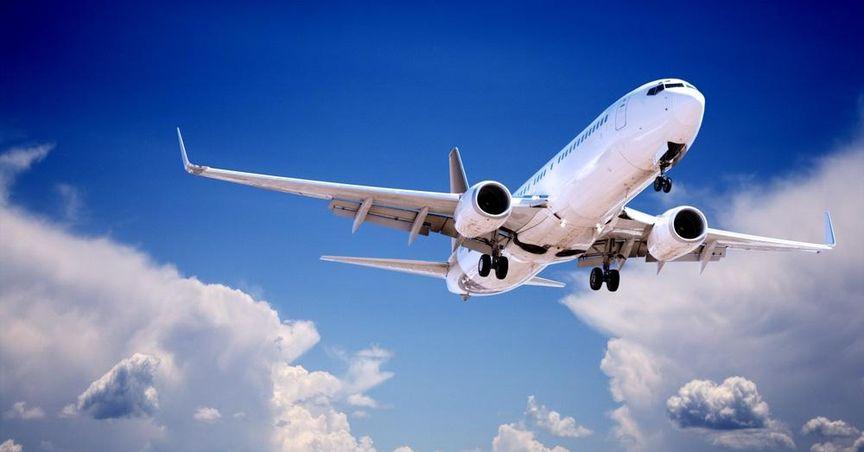





Boeing (NYSE:BA) is facing potential setbacks in its goal to ramp up production of its 737 MAX jets, with analysts from rating agencies Moody's and S&P expressing doubts about the company’s ability to meet its 2024 target. The aerospace giant aims to increase production from 25 jets per month in July to 38 jets per month by the end of 2024. However, this target may not be achieved until 2025, according to the analysts.
Production Delays and Quality Control Issues
Boeing’s challenges stem from a variety of factors, including labor disruptions at its Seattle facilities and ongoing quality control problems. The company has been dealing with the aftermath of a January 5 incident where a mid-air panel blowout on a new 737 MAX 9 exposed long-standing issues in its production processes. This incident led Boeing to slow down its production to address these quality concerns, which in turn has impacted the company's cash flow. In the first half of 2024, Boeing burned through approximately $8.3 billion in cash and now expects its free cash flow to be negative for the year, further straining its balance sheet.
Jonathan Root, Moody’s lead analyst for Boeing, predicts that the company will likely end 2024 producing 32 MAX jets per month, falling short of the 38 jets per month target. Root anticipates that Boeing will reach the target in the second half of 2025. Despite these production challenges, both Moody’s and S&P indicated that Boeing is not currently at risk of a credit downgrade to junk status.
Impact on Suppliers and Airline Customers
Boeing’s production challenges have also affected its suppliers and customers. Spirit AeroSystems (NYSE:SPR), the company responsible for producing the 737 fuselage, plays a critical role in supporting Boeing's increased output. Despite Spirit's efforts, the vetting process for the fuselages at its Wichita, Kansas factory has taken longer than expected, which has further delayed Boeing's production schedule.
The uncertainty surrounding Boeing’s aircraft deliveries has made airlines more cautious in planning their schedules. Allegiant Air (NASDAQ:ALGT), a low-cost U.S. carrier and Boeing customer, expressed concerns over a slower-than-expected delivery cadence for its 737 MAX order. Allegiant, which placed an order for 50 737 MAX planes in 2022, initially expected to receive 10 jets in 2023, 24 in 2024, and 16 in 2025. However, the airline is still awaiting its first MAX aircraft, now expected to be delivered in September 2024.
Outlook for Boeing and the 737 MAX Program
As Boeing navigates these production challenges, the focus will be on how quickly the company can resolve quality control issues and ramp up production to meet demand. The success of the 737 MAX program is crucial for Boeing’s financial health, as the aircraft remains one of its strongest-selling models. However, until Boeing demonstrates consistent improvements in production quality and delivery timelines, analysts and investors are likely to remain cautious.
