
 AUS
AUS
 NZ
NZ
 UK
UK
 CA
CA
 USA
USA
 IND
IND

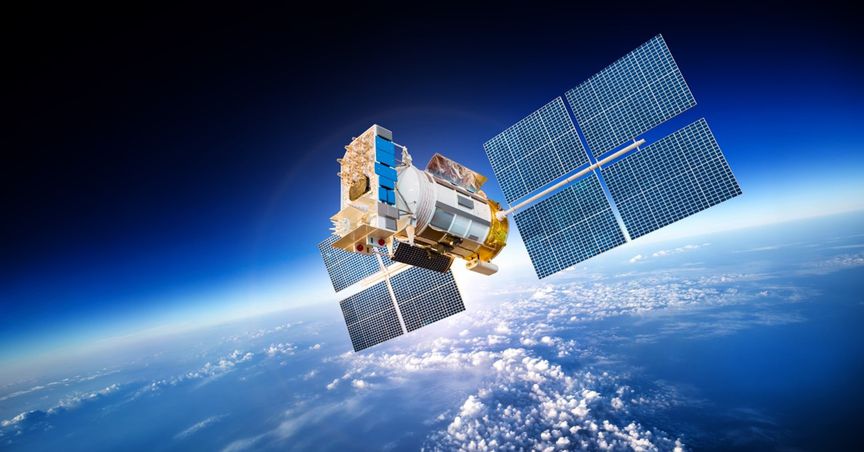





Sri Lanka’s telecommunications regulator has officially granted a licence to Starlink, the satellite internet service operated by SpaceX, to provide satellite broadband services in the country. The move marks a significant step in Sri Lanka's efforts to enhance its digital connectivity infrastructure.
Legislative Changes Pave the Way
The decision follows the recent passage of a new telecommunications bill by Sri Lanka's parliament, marking the first amendment to the law in 28 years. This legislative update has been instrumental in facilitating the entry of new technologies and service providers, including Starlink Lanka.
Starlink's proposal to establish operations in Sri Lanka was put forward in March, and the company has now received regulatory approval. As part of the licensing agreement, Starlink will be required to pay a tariff, the specifics of which were not disclosed by officials.
Starlink's Expanding Global Reach
Starlink, a subsidiary of SpaceX founded by Elon Musk, is a dominant player in the satellite internet industry, operating approximately 60% of the 7,500 satellites currently orbiting Earth. The service aims to provide high-speed, low-latency internet access to underserved and remote regions globally.
This new development in Sri Lanka is part of Starlink’s broader strategy to expand its footprint in South Asia. Musk has previously expressed interest in launching Starlink in India, although no formal plans have been announced as of now.
Strategic Implications for Sri Lanka
The introduction of Starlink is expected to bolster Sri Lanka’s internet connectivity, particularly in areas that are currently underserved by traditional broadband services. The satellite-based network will provide a significant boost to the country’s digital infrastructure, supporting economic growth and technological advancement.
