
 AUS
AUS
 NZ
NZ
 UK
UK
 CA
CA
 USA
USA
 IND
IND






Highlights
- T-Mobile operates one of the largest wireless networks in the United States.
- Network expansion and spectrum assets support nationwide connectivity.
- New service offerings continue to shape activity across the communications industry.
The communications sector remains a critical component of the modern economy, connecting consumers, businesses, and public institutions through wireless and broadband services. T-Mobile US (NASDAQ:TMUS) is one of the largest telecommunications providers in the United States, offering wireless connectivity, broadband solutions, and digital communication services. As a constituent of the Nasdaq Composite , the company is frequently referenced in discussions involving network infrastructure, wireless technology, and developments within the communications sector.
Wireless Network Expansion
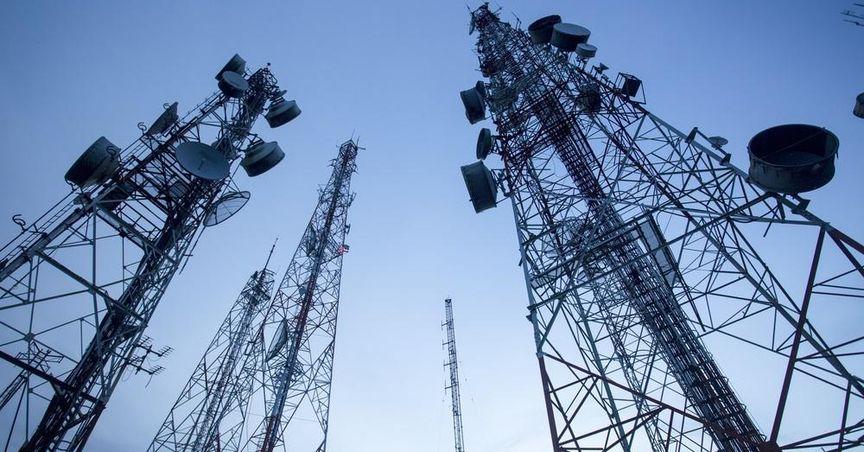
Network coverage remains a central focus across the telecommunications industry. Wireless carriers continue expanding infrastructure to support increasing data consumption, connected devices, streaming applications, and enterprise connectivity requirements.
T-Mobile has developed a nationwide network utilizing a broad portfolio of spectrum assets. These assets support wireless communication across urban centers, suburban communities, and rural regions. The company has also continued deploying 5G technology across its network footprint, supporting enhanced connectivity and data transmission capabilities.
Telecommunications providers increasingly compete through network quality, coverage availability, and service performance. As a result, infrastructure development remains a significant component of industry activity.
5G and Advanced Connectivity
The transition to 5G technology has influenced communications markets globally. Fifth-generation wireless technology supports faster data transmission, lower latency, and increased network capacity compared with earlier wireless standards.
T-Mobile participates in this transition through nationwide 5G deployment initiatives designed to support consumer, enterprise, and industrial applications. These capabilities enable activities such as cloud gaming, connected devices, smart manufacturing, remote operations, and advanced digital services.
The broader telecommunications industry continues integrating 5G infrastructure into existing network environments, creating new possibilities for wireless communication and digital connectivity.
Broadband and Business Services
In addition to wireless offerings, the company provides broadband services to residential and business customers. Fixed wireless access solutions have become an increasingly visible segment within the communications industry as providers seek additional methods of delivering internet connectivity.
Business customers utilize services that include wireless connectivity, communications management, internet solutions, and enterprise networking capabilities. Organizations across multiple industries rely on telecommunications infrastructure to support daily operations, workforce connectivity, and digital transformation initiatives.
These services expand the company's presence beyond traditional mobile phone offerings and contribute to broader participation within the communications marketplace.
Position Within Communication Stocks
Among Communication Stocks, T-Mobile is frequently associated with wireless innovation, network expansion, and telecommunications infrastructure. The communications industry continues evolving as consumer demand for mobile connectivity, video streaming, cloud services, and digital applications increases.
Telecommunications providers operate extensive infrastructure networks that support mobile communications and internet access across large geographic regions. Industry participants continue upgrading networks to accommodate growing data traffic and changing usage patterns.
As a member of the Nasdaq Composite , the company is often included in discussions surrounding major communications providers and large-cap telecommunications businesses.
Technology Integration and Digital Services
Technology development remains closely connected to telecommunications operations. Network management systems, cybersecurity platforms, cloud computing environments, and artificial intelligence tools contribute to modern communications infrastructure.
Wireless carriers increasingly utilize automation and data-driven technologies to improve network performance and operational efficiency. Digital customer service platforms, mobile applications, and self-service account management tools have also become standard features across the industry.
These developments reflect the ongoing convergence of telecommunications and digital technology, with carriers expanding capabilities beyond voice and data connectivity alone.
Industry Trends and Market Presence
The telecommunications sector continues adapting to changes in consumer behavior, device adoption, and digital service consumption. Mobile connectivity remains central to everyday communication, entertainment, commerce, and business activity.
Industry participants continue expanding network capacity while supporting increasing numbers of connected devices. Broadband availability, wireless performance, and digital service integration remain key themes shaping sector development.
Within the Nasdaq Composite , T-Mobile US (NASDAQ:TMUS) remains a significant participant in the U.S. telecommunications landscape, reflecting the growing importance of advanced wireless networks and nationwide connectivity infrastructure.
