
 AUS
AUS
 NZ
NZ
 UK
UK
 CA
CA
 USA
USA
 IND
IND






Highlights
- Dry bulk carrier reaches new yearly trading high amid steady market activity
- Quarterly performance aligns with market expectations and fleet operations remain stable
- Institutional participation reflects ongoing engagement in the industrial sector
Safe Bulkers Inc records a new trading peak, supported by steady quarterly results, fleet operations, dividend activity, and continued engagement within the industrial sector.
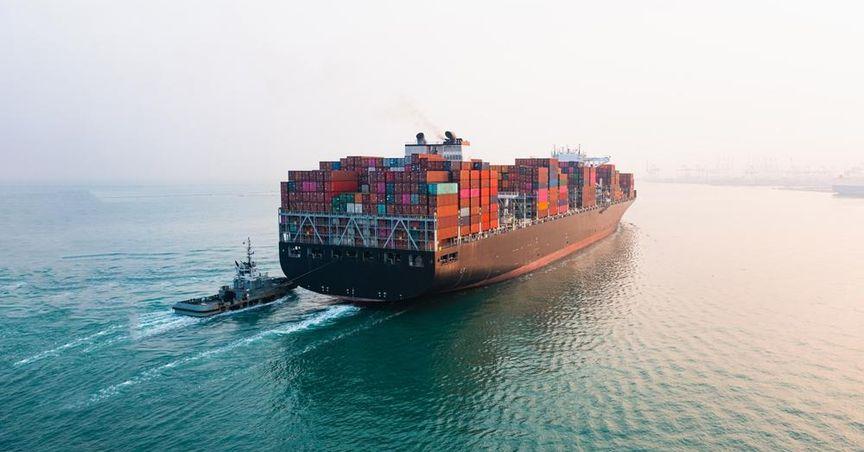
Safe Bulkers Inc operates within the industrial sector, focusing on global maritime transportation of essential raw materials. Safe Bulkers Inc is a dry bulk shipping company engaged in ocean transport of commodities such as iron ore, coal, grain, and fertilizers. The company’s shares recently advanced to a new yearly trading high during an active market session, reflecting movement consistent with broader trends across maritime transport businesses.
Founded in the late two thousands and publicly listed on the New York Stock Exchange during the same period, Safe Bulkers Inc (NYSE:SB) maintains a fleet composed of Panamax, Supramax, and Kamsarmax bulk carriers. These vessel classes are commonly deployed across established global trade routes, enabling the transportation of bulk cargo between major exporting and importing regions. Fleet deployment strategies include both time charter and voyage charter arrangements, providing operational flexibility based on shipping demand and cargo contracts.
Recent Market Activity
Trading activity surrounding Safe Bulkers Inc (NYSE:SB) intensified as shares reached a fresh yearly peak. Market participation during the session reflected heightened volume compared with prior trading days, and the share value exceeded both short term and longer term moving averages. Such developments often occur when shipping rates, vessel utilization, or broader industrial sector sentiment show measurable changes.
The shipping industry is closely linked to global economic cycles, commodity flows, and freight rate conditions. Dry bulk carriers transport foundational materials used in construction, energy production, and agriculture. Movements in these sectors frequently influence charter rates and fleet utilization levels. Market observers noted that performance in the broader maritime transport segment has shown signs of stabilization after periods of volatility tied to commodity demand fluctuations.
Operational Performance
During its most recent quarterly reporting period, the company recorded earnings per share that aligned with prevailing expectations. Revenue slightly surpassed market forecasts, reflecting steady vessel employment and cargo activity across its operating routes. Net margin and return metrics remained within ranges typical for dry bulk operators operating under balanced charter arrangements.
Fleet efficiency remains central to operational performance. Safe Bulkers Inc maintains a modernized fleet designed to comply with international maritime standards and environmental regulations. Investments in fuel efficiency measures and compliance systems have supported consistent deployment across regions subject to evolving emission requirements. Dry docking schedules and maintenance programs are structured to preserve operational reliability and limit downtime.
The company’s balance sheet reflects moderate leverage levels relative to assets. Liquidity metrics indicate capacity to meet near term obligations, supported by charter revenues and established credit facilities. Such financial positioning is common among mid sized shipping enterprises that operate within cyclical freight environments.
Dividend Announcement
A quarterly dividend declaration accompanied the latest earnings release. The distribution represents a continuation of the company’s established approach to capital allocation within the industrial sector. Dividend payout ratios reflect a balance between operational funding requirements and shareholder distributions.
Ex dividend and record dates were announced in conjunction with the payment schedule. Dividend activity in shipping companies often correlates with charter revenue stability and vessel utilization rates. In periods characterized by consistent freight demand, distributions may reflect the company’s cash generation from long term and short term charter agreements.
Institutional Participation
Recent filings indicate adjustments in share ownership among institutional entities. Several asset management firms reported modifications to existing positions, while others initiated new stakes. Institutional participation accounts for a meaningful portion of outstanding shares, reflecting engagement from portfolio managers focused on transportation and industrial sector exposure.
Changes in institutional ownership may occur for various reasons, including portfolio rebalancing, sector allocation adjustments, or shifts in macroeconomic views related to global trade. While ownership levels fluctuate, the presence of professional asset managers can contribute to market liquidity and trading depth.
Corporate Background
Safe Bulkers Inc began operations with a focus on modern, fuel efficient bulk carriers. Public listing on the New York Stock Exchange provided access to capital markets and broadened corporate visibility within the global shipping community. Since inception, fleet composition has evolved through acquisitions and disposals aligned with prevailing shipping conditions.
Corporate governance practices align with exchange listing requirements and maritime industry standards. Financial disclosures, charter contract reporting, and fleet updates are provided through regular filings. Such transparency contributes to the company’s standing within the industrial sector and supports ongoing engagement with market participants.
Safe Bulkers Inc (NYSE:SB) continues to operate within a dynamic global shipping landscape shaped by commodity demand patterns, regulatory developments, and freight rate movements. Share performance reaching a new yearly high reflects recent trading momentum, while operational fundamentals remain tied to fleet deployment efficiency and charter market conditions.
