
 AUS
AUS
 NZ
NZ
 UK
UK
 CA
CA
 USA
USA
 IND
IND






Highlights
- Ryerson Holding Corporation influences the materials sector.
- Stock performance reflects broader market trends.
- Strategic movements are evaluated alongside peers in the materials industry.
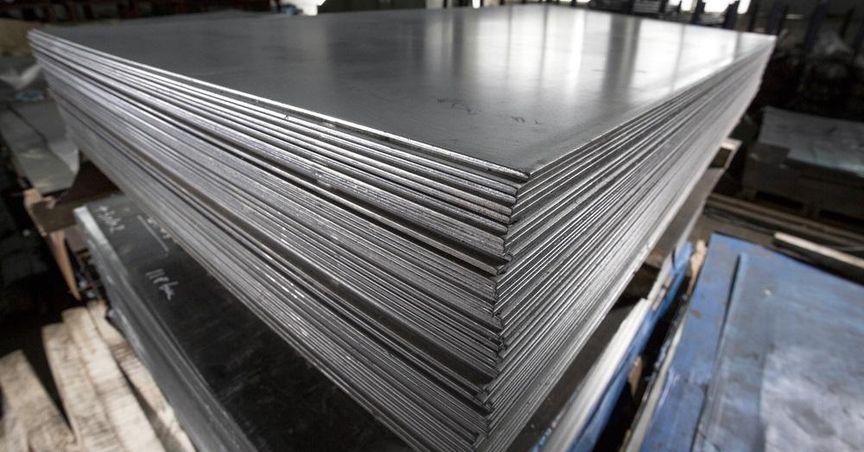
Ryerson Holding Corporation (NYSE:RYI) is a prominent player in the industrial materials sector, specializing in the processing and distribution of metals across various forms, including carbon steel, aluminum, stainless steel, and specialty alloys. As a major supplier of industrial metals, the company plays a pivotal role in supporting industries such as manufacturing, automotive, aerospace, and construction. Its vast network allows it to meet the increasing demand for raw materials, providing critical support to its global customer base. This positioning places Ryerson within the broader NYSE Composite landscape, where companies in materials and manufacturing are consistently monitored for their market contributions.
How Does Ryerson Handle Market Volatility?
Ryerson’s approach to navigating market volatility is centered on its diversified offerings across various metal categories. The company’s ability to adapt to changing market conditions, including fluctuations in the demand for industrial metals, is a key factor in its performance. By providing a wide range of products and services, Ryerson ensures that it can continue to supply its clients even in uncertain times. Its market responsiveness is an essential part of its business model, enabling it to remain a competitive player within the NYSE Composite Index. This agility allows the company to maintain steady growth even as other industries face challenges related to raw material pricing or global supply chain disruptions.
What Is Ryerson’s Role In Industrial Materials Distribution?
As one of the largest distributors of industrial metals in the United States, Ryerson has a significant role in shaping the distribution networks for materials used in numerous industries. The company provides a variety of products, including carbon steel, stainless steel, and specialty alloys, to meet the diverse needs of businesses globally. With operations across North America, Asia, and Europe, Ryerson’s distribution model ensures the timely delivery of materials to clients in a variety of industries. Its extensive distribution channels place it among key companies in the NYSE Composite Today, where companies in manufacturing and distribution sectors are evaluated for their global impact.
What Sets Ryerson Apart In The Steel Industry?
Ryerson’s position within the steel industry is characterized by its ability to provide high-quality materials that meet the specific needs of industries such as automotive, aerospace, and construction. The company’s expertise in steel processing, combined with its strong relationships with customers, gives it a competitive edge in the marketplace. Ryerson’s ability to provide customized solutions to meet its clients’ requirements further enhances its market position. This expertise in the steel sector places Ryerson alongside other key players, where materials companies are often analyzed based on their sector influence and service offerings.
How Does Ryerson Address Environmental Sustainability?
Environmental sustainability is a growing concern in the industrial sector, and Ryerson is committed to minimizing its environmental impact. The company implements sustainable practices in its operations, including energy-efficient technologies, waste reduction, and recycling initiatives. By aligning its processes with global environmental standards, Ryerson is able to contribute positively to sustainability efforts within the materials industry. This commitment to sustainability places Ryerson within broader discussions, where companies in manufacturing and materials sectors are increasingly evaluated based on their environmental practices.
What Challenges Does Ryerson Face In Global Markets?
Ryerson faces several challenges in global markets, particularly those related to fluctuations in the prices of raw materials, trade policies, and international competition. The company’s ability to navigate these challenges is essential for maintaining its market position. Ryerson works closely with suppliers and customers to manage pricing volatility and ensure consistent product availability. Furthermore, the company’s global presence helps it stay competitive by diversifying its supply chains and markets. These challenges and Ryerson’s responses to them are closely tied to its performance, especially as it competes with other major players in the NYSE Composite Index.
What Is Ryerson’s Strategy For Growth?
Ryerson’s growth strategy involves expanding its market reach, diversifying its product offerings, and increasing its presence in emerging markets. The company focuses on delivering high-quality products to its customers while continuously improving its operational efficiency. Ryerson also aims to strengthen its position in global markets by pursuing strategic partnerships and expanding its distribution network. This growth-focused strategy is essential for maintaining Ryerson’s standing among the top companies in the NYSE Composite, where industry leaders are evaluated based on their ability to scale operations and drive long-term growth.
