
 AUS
AUS
 NZ
NZ
 UK
UK
 CA
CA
 USA
USA
 IND
IND






Highlights
- Amprius Technologies develops advanced battery systems for aviation mobility
- Silicon-based battery architecture differentiates product design approach
- Company operations align with emerging energy technology classifications
Amprius Technologies, Inc. (NYSE:AMPX) operates as an advanced battery technology company focused on high-energy lithium-ion systems designed for specialized mobility applications. The company’s inclusion within the Nyse Composite reflects its participation in the evolving energy and technology ecosystem. Amprius Technologies concentrates on silicon nanowire anode architecture, a design approach intended to enhance energy density for applications where weight, endurance, and performance requirements are critical.
What Defines Amprius Core Technology Platform?
Amprius Technologies develops lithium-ion batteries that utilize silicon nanowire anodes rather than conventional graphite materials. This structural distinction enables higher energy density within compact form factors. The technology platform is designed to support applications where extended flight time and reduced payload weight are essential. Amprius Technologies focuses on precision manufacturing processes that integrate nanostructured materials into scalable battery designs. Within the Nyse Composite Index environment, such technology platforms illustrate how specialized engineering solutions contribute to next-generation energy systems.
How Does Silicon Nanowire Architecture Function?
Silicon nanowire architecture functions by increasing the active surface area available for lithium storage within battery cells. Amprius Technologies applies this structure to enhance charge capacity while maintaining structural stability. The nanowire design accommodates volume changes during charge cycles, supporting operational consistency across repeated use. This approach differs from traditional battery configurations and positions the company within a niche segment of energy storage development. In the Nyse Composite today, firms advancing material science innovation support broader technological diversification.
Where Are Amprius Battery Applications Used?
Amprius Technologies primarily serves mobility applications that require lightweight and high-capacity energy storage. These applications include unmanned aerial systems, advanced aviation platforms, and high-altitude systems designed for extended endurance. Battery systems are engineered to support sustained operation under demanding conditions. The company’s focus on aviation-oriented deployment differentiates it from mass-market energy storage producers.
How Does Aviation Shape Product Development?
Aviation requirements significantly influence Amprius Technologies, Inc. (NYSE:AMPX) product development strategy, shaping how battery systems are designed, tested, and validated. Battery architectures emphasize high energy density, thermal stability, and weight optimization to meet strict aerospace performance thresholds. Engineering teams align development cycles with detailed aviation system specifications, safety protocols, and regulatory expectations to ensure consistency and dependability. The company prioritizes reliability and performance stability across mission-critical environments where failure tolerance is minimal. This aviation-driven focus positions Amprius Technologies within a specialized segment at the intersection of aerospace applications and advanced energy technology, highlighting its role in supporting high-performance aviation systems.
What Role Does Manufacturing Process Play?
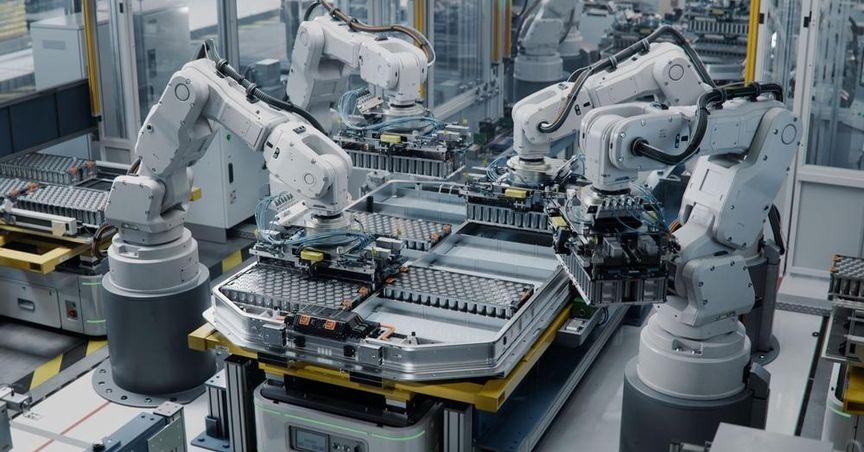
Manufacturing processes at Amprius Technologies are designed to integrate nanomaterials into scalable battery formats. Production methodologies focus on maintaining uniformity across cells while preserving nanowire structural integrity. Process control supports consistency across batches and application environments. The company emphasizes precision and quality assurance within its manufacturing workflow. These advanced manufacturing capabilities reflect the operational discipline required for emerging industrial technology enterprises.
How Does Amprius Manage Research Development?
Research and development activities at Amprius Technologies center on material optimization, cell performance enhancement, and application-specific customization. Development efforts focus on refining silicon anode performance and improving overall battery system integration. Collaborative engineering approaches support continuous iteration across product generations. Research initiatives align with evolving mobility requirements rather than consumer electronics cycles. This sustained research orientation underscores the role of innovation-focused companies within advanced technology markets.
What Markets Does Amprius Serve Globally?
Amprius Technologies (NYSE:AMPX) serves global markets associated with advanced mobility systems. Customers include organizations operating in aerospace, defense-related platforms, and emerging aviation technologies. Market engagement emphasizes technical compatibility and performance alignment rather than volume distribution. The company’s global reach reflects the international nature of advanced aviation development. Such global engagement highlights cross-border participation in advanced technology deployment for Amprius Technologies
How Does Amprius Address Energy Efficiency?
Energy efficiency remains a central objective in Amprius Technologies’ battery design philosophy. High energy density allows systems to operate longer without increasing weight or size. Engineering strategies focus on maximizing usable capacity while maintaining system integrity. Energy efficiency supports extended mission profiles across aviation use cases. In the Nyse Composite Today framework, efficiency-driven design aligns with broader sustainability and performance objectives across technology sectors.
What Regulatory Factors Influence Operations?
Regulatory considerations influence Amprius Technologies through aviation standards, safety certifications, and material handling requirements. Battery systems intended for flight applications must adhere to strict operational guidelines. The company aligns development and testing protocols with applicable regulatory frameworks. Compliance processes ensure compatibility with aviation system integration requirements. Within the Nyse Composite Index, regulatory alignment remains a defining factor for companies operating in advanced technology domains.
