
 AUS
AUS
 NZ
NZ
 UK
UK
 CA
CA
 USA
USA
 IND
IND






Summary
- Definition: A public warehouse is a storage facility operated by an independent company, offering space and logistical services to multiple businesses.
- Purpose: It provides cost-effective, flexible storage solutions without the need for businesses to own or maintain their own warehouses.
- Key Benefits: Public warehouses reduce overhead costs, offer scalability, and provide professional inventory management services.
What is a Public Warehouse?
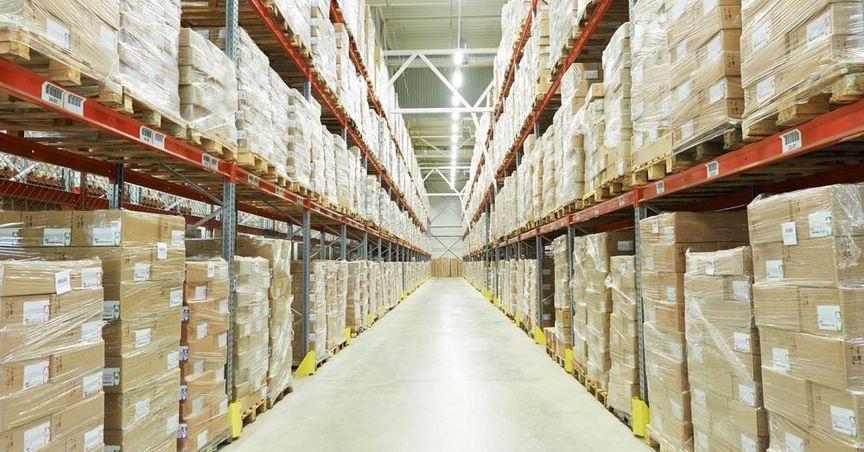
A public warehouse is a storage facility managed by an independent warehouse company, offering storage space and related logistical services to multiple businesses. Unlike private warehouses, which are owned and operated by individual companies for their exclusive use, public warehouses cater to a wide range of clients across industries, providing flexible and cost-effective solutions for managing inventory.
How Public Warehouses Operate
- Independent Management
Public warehouses are run by third-party warehouse operators who specialize in storage and inventory management. These facilities are designed to accommodate goods from various businesses, making them ideal for companies that do not require dedicated warehouse space.
- Services Offered
In addition to storage, public warehouses often provide a range of value-added services, including:
- Inventory management and tracking.
- Order fulfillment and shipping coordination.
- Packaging and labeling.
- Climate-controlled storage for sensitive goods.
- Accessible Location
Many public warehouses are strategically located near transportation hubs such as ports, railways, and highways, ensuring efficient movement of goods.
Advantages of Public Warehouses
- Cost-Effectiveness
Public warehouses help businesses avoid the high costs of constructing, owning, or maintaining private storage facilities. Businesses only pay for the space and services they use, making it a financially efficient choice.
- Flexibility and Scalability
Public warehouses offer scalable solutions that adapt to a business’s changing needs. Companies can easily increase or decrease their storage space based on seasonal demand or market fluctuations.
- Professional Expertise
Operators of public warehouses have specialized knowledge in inventory management, logistics, and regulatory compliance, ensuring that goods are stored and handled efficiently and securely.
- Accessibility for Small and Medium Enterprises (SMEs)
Public warehouses are particularly beneficial for SMEs, which may lack the resources to invest in private warehousing but still require professional storage solutions.
Challenges of Using Public Warehouses
Limited Control
Since public warehouses are shared facilities, businesses may have less control over how their goods are stored and managed compared to private warehouses.
Potential Delays
In a shared environment, the coordination of multiple clients’ needs may occasionally result in delays in accessing goods.
Security Concerns
While public warehouses generally implement robust security measures, the shared nature of the facility may pose risks compared to privately controlled environments.
Applications of Public Warehouses
- Seasonal Storage
Businesses with fluctuating storage needs, such as retailers managing holiday inventory, often rely on public warehouses to handle temporary spikes in demand.
- Supply Chain Optimization
Public warehouses play a critical role in modern supply chains, enabling businesses to store goods closer to their target markets and reduce transportation costs.
- E-Commerce Fulfillment
E-commerce companies often use public warehouses for inventory storage and order fulfillment, benefiting from the facilities’ logistical expertise and scalability.
Conclusion
Public warehouses provide an essential service for businesses seeking flexible, cost-effective storage solutions. By leveraging the expertise and infrastructure of independent warehouse operators, companies can focus on their core operations while ensuring their goods are stored and managed efficiently. With their scalability, professional management, and strategic locations, public warehouses continue to be a cornerstone of modern logistics and supply chain management.
