
 AUS
AUS
 NZ
NZ
 UK
UK
 CA
CA
 USA
USA
 IND
IND






Highlights
- The US technology sector remains active with consistent corporate updates and market activity.
- Several major players continue to gain attention through recent developments and operational shifts.
- The term US Technical Analysis Report remains essential for sector monitoring amid dynamic conditions.
The US technology sector continues to be a significant part of the broader market landscape, encompassing a wide range of companies involved in software, hardware, artificial intelligence, and cloud infrastructure. These companies frequently influence developments across multiple industries due to their digital solutions and innovation-driven approaches. The sector is recognized for its ongoing evolution and responsiveness to technological advancements. As the digital ecosystem expands, reviewing the US Technical Analysis Report becomes relevant for observing current momentum in this space.
Current Developments Among Key Tech Firms
Several companies within the technology space have recently engaged in initiatives tied to product innovation, infrastructure expansion, and operational scalability. Organizations in fields such as enterprise software, cybersecurity, and cloud computing remain active in adapting their models to digital demands. Many of these firms have prioritized SaaS platforms, automation tools, and user experience enhancements to strengthen service delivery.
There has also been a noticeable shift toward integrating machine learning, scalable architecture, and data-driven tools. Companies are refining digital offerings to maintain relevance in a competitive environment marked by increasing reliance on digital transformation across both commercial and public sectors. Strategic developments in platform deployment and technology modernization have played a key role in this evolution. This ongoing shift is often reflected in chart movements and volume trends available in the US Technical Analysis Report.
Market Positioning and Strategic Engagement
Firms in the technology sector continue to shape their market position through strategic collaborations, workforce adjustments, and innovation planning. These actions align with objectives such as expanding digital ecosystems, enhancing product reliability, and supporting enterprise demand for integrated tech solutions.
Some companies have introduced new subscription-based services or modified existing offerings to cater to changing customer requirements. Others have increased focus on vertical integration and infrastructure upgrades to sustain operational continuity and scalability. These corporate moves demonstrate active market engagement and adaptability—factors that are routinely captured through the US Technical Analysis Report.
Relevance of the US Technical Analysis Report
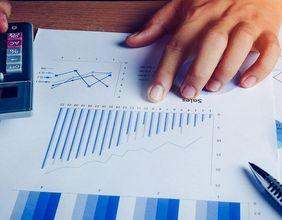
The US Technical Analysis Report plays a key role in tracking the behavior of companies within the technology sector. It serves as a structured resource to monitor technical activity such as price movements, volume shifts, and momentum trends. The report helps in identifying patterns without relying on speculative or forward-looking commentary.
This format provides a factual view of performance trends, drawing from past market data and historical behavior. It highlights recurring movement across timeframes and supports understanding of broader sectoral changes through technical chart observations. Frequent references to the US Technical Analysis Report allow tracking of developments across leading names in the digital economy.
Broader Industry Environment
The US technology industry continues to evolve through emerging technologies such as artificial intelligence, edge computing, and advanced automation. These companies operate across multiple verticals, including enterprise software, mobile platforms, and cloud infrastructure.
There is consistent activity focused on digital development, platform scalability, and integration of intelligent systems. Organizations aim to support industries ranging from healthcare and finance to logistics and communications through customized technology services. The sector remains interconnected with global market demands and digital adaptation across industries. As these shifts continue, the US Technical Analysis Report remains a vital tool for recognizing consistent themes in market dynamics and operational direction.
