
 AUS
AUS
 NZ
NZ
 UK
UK
 CA
CA
 USA
USA
 IND
IND




Highlights
- Established during the 1973-1974 oil crisis for energy security.
- Acts as an energy policy advisor to 28 member countries.
- Promotes sustainable energy and global cooperation.
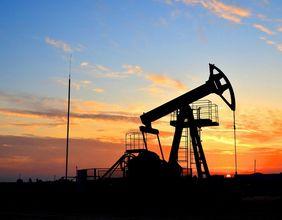
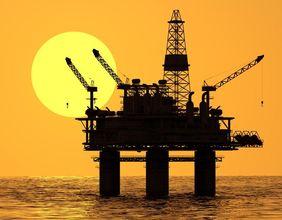
The International Energy Agency (IEA) is a leading intergovernmental organization that plays a crucial role in shaping global energy policies. It was established in response to the oil crisis of 1973-1974, a period marked by severe energy shortages and skyrocketing oil prices. The crisis exposed the vulnerability of countries heavily dependent on oil imports, highlighting the need for international cooperation to ensure energy security and stability.
In 1974, the IEA was founded under the framework of the Organisation for Economic Co-operation and Development (OECD) with an initial mandate to help member countries coordinate a collective response to potential energy disruptions. Its mission has since evolved to include broader energy issues, including energy sustainability, economic development, and environmental protection. Today, the IEA serves as a strategic energy policy advisor to its 28 member countries, as well as to many partner nations worldwide.
Role and Objectives of the IEA
The IEA’s primary mission is to promote energy security, economic growth, and environmental sustainability through effective policy recommendations, data analysis, and international cooperation. Its core objectives include:
- Energy Security: The IEA was initially established to help countries respond to energy supply disruptions by coordinating emergency oil stockpiles and promoting collective action. It continues to play a critical role in monitoring global energy markets and advising countries on energy security strategies.
- Economic Growth: By advocating for efficient and affordable energy systems, the IEA supports sustainable economic growth. It provides policy guidance on optimizing energy consumption, enhancing productivity, and reducing energy costs.
- Environmental Sustainability: In response to global environmental challenges, the IEA actively promotes cleaner and more sustainable energy solutions. It advocates for the adoption of renewable energy sources, energy efficiency measures, and innovative technologies to reduce greenhouse gas emissions.
Key Activities and Initiatives
- Policy Advisory and Analysis: The IEA conducts comprehensive research and analysis to provide evidence-based policy recommendations. Its flagship publication, the World Energy Outlook, offers detailed projections and insights into global energy trends, helping policymakers make informed decisions.
- Energy Data and Statistics: The agency is a leading source of reliable energy data and statistics. It collects and disseminates accurate information on global energy supply, demand, and consumption patterns, enabling countries to track progress and identify emerging challenges.
- Energy Technology and Innovation: The IEA supports the development and deployment of advanced energy technologies. It facilitates international collaboration through initiatives like the Technology Collaboration Programme, which accelerates research and innovation in renewable energy, smart grids, and energy storage solutions.
- Emergency Response Coordination: To enhance energy security, the IEA maintains a system of strategic petroleum reserves among member countries. In the event of a significant disruption in global oil supplies, the IEA can coordinate a collective release of these reserves to stabilize markets and ensure supply continuity.
- Climate Change and Sustainability: The IEA is at the forefront of global efforts to combat climate change by promoting clean energy transitions. It provides guidance on policies that support decarbonization, energy efficiency, and sustainable energy systems.
Global Impact and Partnerships
The IEA’s influence extends beyond its 28 member countries through partnerships with emerging economies and international organizations. Its collaborative approach fosters global dialogue on energy issues, encouraging knowledge-sharing and best practices. Notably, the IEA works closely with major energy-consuming nations, including China, India, and Brazil, to support their energy transitions and sustainable development goals.
Through its global outreach programs, the IEA facilitates capacity-building initiatives, policy dialogues, and technical assistance to help countries enhance their energy systems. This collaborative effort contributes to a more secure, sustainable, and inclusive global energy landscape.
Challenges and Future Outlook
Despite its significant contributions, the IEA faces challenges in addressing the complex dynamics of the global energy landscape. These challenges include:
- Transition to Clean Energy: As countries shift towards renewable energy sources, the IEA must navigate the complexities of balancing energy security, affordability, and environmental sustainability.
- Geopolitical Risks: Energy markets are influenced by geopolitical tensions, trade disputes, and supply chain vulnerabilities, requiring adaptive and resilient policy frameworks.
- Climate Change Commitments: Achieving global climate targets necessitates accelerated efforts in energy efficiency, decarbonization, and the adoption of innovative technologies.
To address these challenges, the IEA continues to evolve its strategies by emphasizing clean energy transitions, digitalization, and cross-sectoral collaboration. Its focus on innovative policy solutions and strategic partnerships will be pivotal in navigating the evolving energy landscape.
Conclusion
The International Energy Agency (IEA) has been a cornerstone of global energy governance since its inception during the 1973-1974 oil crisis. From ensuring energy security to promoting economic growth and environmental sustainability, the IEA has consistently adapted its mission to meet the changing needs of the global energy sector. Through its policy advisory role, data-driven insights, and international collaborations, the IEA continues to guide countries towards resilient and sustainable energy systems.
As the world confronts pressing challenges like climate change and the transition to renewable energy, the IEA’s leadership and strategic vision remain indispensable. By fostering international cooperation and driving clean energy innovation, the IEA is poised to play a critical role in shaping the future of global energy.
