
 AUS
AUS
 NZ
NZ
 UK
UK
 CA
CA
 USA
USA
 IND
IND





Highlights
- LNG infrastructure remains central to business operations
- Export facilities connect North American gas resources to global markets
- Energy security trends continue shaping industry activity
Venture Global supplies liquefied natural gas through integrated energy operations, export infrastructure, and transportation assets while maintaining relevance within the Russell 1000.
The Russell 1000 includes many large and mid-sized companies operating across key sectors of the U.S. economy, including energy infrastructure. Within this sector, Venture Global (NYSE:VG) operates as a liquefied natural gas company focused on sourcing, processing, transporting, and exporting LNG from North American natural gas basins. Global energy markets continue to emphasize supply diversification, infrastructure development, and long-term energy security, placing LNG producers and exporters at the center of industry discussions. Growing international demand for natural gas has increased attention on companies involved throughout the LNG value chain.
LNG Operations Across the Energy Value Chain
Venture Global participates in several stages of the LNG business. Operations extend from natural gas sourcing and transportation to liquefaction, shipping support, and regasification activities. This integrated approach allows the company to connect domestic natural gas resources with international customers seeking reliable energy supplies.
Liquefied natural gas plays a significant role in global energy trade because it can be transported across oceans more efficiently than pipeline-delivered natural gas. LNG facilities cool natural gas into liquid form, substantially reducing volume and enabling large-scale shipment to overseas markets.
As part of the broader category of Energy Stocks, LNG exporters remain closely tied to global energy consumption trends, industrial activity, and infrastructure expansion projects.
Infrastructure Development and Export Facilities
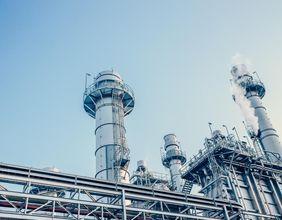
A major component of the company’s business model involves constructing and operating LNG export terminals. These facilities are designed to process large quantities of natural gas and prepare cargoes for international shipment.
Infrastructure development remains a defining characteristic of the LNG industry. Export terminals require extensive engineering, specialized equipment, storage systems, marine facilities, and transportation connections. Such projects often involve long development timelines and coordination across multiple stakeholders.
Facility expansion plans continue to attract attention within the energy sector as LNG demand remains an important part of international energy planning. New export capacity can influence trade flows between producing regions and consuming markets.
The development of additional LNG infrastructure also reflects broader trends involving energy diversification and supply chain resilience.
Global Demand for Natural Gas
Natural gas continues to serve as an important fuel source for electricity generation, industrial manufacturing, heating applications, and commercial operations. Many countries utilize LNG imports to supplement domestic energy production and strengthen supply flexibility.
Population growth, industrial expansion, and urbanization contribute to ongoing energy requirements in many regions. LNG provides an option for countries lacking extensive domestic natural gas resources or pipeline access.
International demand patterns often vary according to weather conditions, industrial activity, economic growth, and regional energy planning initiatives. These factors contribute to fluctuations in LNG trade volumes and shipping activity.
Within the context of the Russell 1000, companies connected to energy infrastructure frequently attract attention because of their role in supporting domestic production and global energy distribution.
North American Resource Advantages
The United States remains one of the world's largest natural gas producers. Extensive shale formations and established production regions have contributed to abundant gas supplies across multiple basins.
Access to these resources provides a foundation for LNG export activity. Production from major natural gas regions supports feedstock requirements for liquefaction facilities operating along the Gulf Coast and other export locations.
Transportation networks, including pipelines and storage infrastructure, help connect production areas with LNG terminals. Efficient movement of natural gas through these systems remains critical for maintaining export operations.
North America's resource base continues to influence the competitive position of LNG exporters serving customers across Europe, Asia, and other international markets.
Industry Trends and Market Environment
The LNG sector continues evolving in response to changing energy consumption patterns and infrastructure development. Governments and utilities worldwide have pursued diversified energy sourcing arrangements designed to enhance supply reliability.
Energy security discussions have become increasingly important in recent years, particularly as countries seek multiple sources of imported fuel. LNG has emerged as a significant component of these efforts because shipments can be redirected between markets according to demand conditions.
Shipping availability, terminal capacity, transportation logistics, and regulatory approvals all contribute to industry dynamics. Companies operating across the LNG value chain must coordinate these elements to support large-scale international deliveries.
Broader energy sector developments also influence activity across producers, exporters, transportation providers, and infrastructure operators.
Position Within the Energy Sector
Venture Global (NYSE:VG) has established a presence in the LNG export market through infrastructure development and integrated operations spanning production-related activities, transportation connections, and export capabilities.
The company’s business reflects broader trends affecting global natural gas markets, including energy diversification, international trade growth, and infrastructure expansion. LNG facilities remain critical assets within the energy sector because they connect resource-rich regions with consuming markets across multiple continents.
Continued development of export capacity, transportation systems, and international supply relationships highlights the growing role of LNG in global energy networks. As energy demand evolves, LNG exporters remain closely connected to discussions surrounding supply security, infrastructure investment, and cross-border energy trade within the framework of the Russell 1000.
