
 AUS
AUS
 NZ
NZ
 UK
UK
 CA
CA
 USA
USA
 IND
IND






Highlights
- Improving geopolitical developments have strengthened market confidence across regions
- Lower energy prices are influencing sentiment across global financial markets
- Institutional activity and economic developments remain key areas of investor focus
Global markets responded positively to easing geopolitical concerns, lower oil prices, and improving investor confidence across major regions.
Global equity markets entered the week with renewed optimism as developments surrounding international diplomacy and commodity markets supported broader investor sentiment. Financial markets often respond quickly to geopolitical events, particularly those involving energy-producing regions and global trade routes. Recent developments have shifted attention toward easing tensions, lower crude oil prices, and the potential implications for economic activity. These factors have contributed to a positive tone across international markets as participants assess changing conditions influencing equities, commodities, and investor behavior.
Geopolitical Stability Remains Important for Markets
Financial markets closely monitor geopolitical developments because they can influence trade flows, energy supplies, and broader economic conditions. Reduced uncertainty often supports investor confidence by improving visibility around business and economic activity.
Periods of heightened geopolitical tension frequently contribute to volatility across equities, commodities, and currency markets. Conversely, signs of stability can encourage greater participation across risk-oriented assets.
Recent developments have drawn attention because of their potential influence on global trade routes and energy markets. The easing of uncertainty has supported a more constructive environment for equities and broader financial markets.
Geopolitical stability remains closely connected to investor sentiment worldwide.
Energy Markets Continue Influencing Global Sentiment
Energy prices play a significant role in shaping economic expectations. Oil and natural gas costs affect transportation, manufacturing, industrial activity, and consumer spending across numerous economies.
Lower energy prices can help reduce operational costs for businesses while easing pressure on consumers. These developments often influence expectations regarding economic growth and inflation.
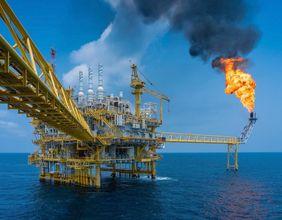
Many companies categorized among Energy Stocks remain closely linked to broader trends affecting commodity markets and global demand conditions. Energy market developments continue influencing financial markets and economic discussions.
The relationship between energy prices and economic activity remains an important consideration for market participants.
Global Trade Routes Remain Critical
International trade depends heavily on reliable transportation corridors that connect producers, manufacturers, and consumers across regions. Strategic shipping routes play an important role in maintaining global supply chains.
Disruptions to major trade passages can affect commodity prices, transportation costs, and supply chain efficiency. As a result, developments involving key maritime routes frequently attract attention from businesses and investors.
The continued movement of goods through global trade networks supports economic activity across multiple sectors. Efficient logistics systems remain essential to international commerce and industrial operations.
Trade infrastructure continues contributing to the stability of global markets.
Institutional Activity Reflects Market Dynamics
Institutional participation remains an important component of equity markets. Domestic and international investment flows often provide insight into broader market sentiment and capital allocation trends.
Large institutional participants frequently evaluate economic conditions, corporate developments, and policy environments when making investment decisions. These activities can influence liquidity and market performance across sectors.
The interaction between domestic and international capital flows remains an important factor shaping equity market behavior. Changes in institutional activity often reflect evolving assessments of economic and market conditions.
Institutional participation continues contributing to market dynamics and price discovery.
Asian Markets Respond to Global Developments
Asian financial markets frequently react to international developments because of the region’s strong connections to global trade, manufacturing, and economic activity. Changes in geopolitical conditions and commodity prices often influence regional market sentiment.
Many Asian economies maintain significant exposure to international commerce and energy imports. Consequently, developments affecting global supply chains and energy markets can have widespread implications.
The region remains an important contributor to global economic growth, technology development, and manufacturing activity. Market performance within Asia often reflects broader international trends.
Asian markets continue serving as important indicators of global investor sentiment.
Commodity Markets Influence Economic Expectations
Commodity prices remain closely connected to broader economic conditions. Energy products, industrial materials, and agricultural commodities all play important roles in supporting economic activity.
Changes in commodity markets can influence production costs, inflation expectations, and business planning decisions. Financial markets frequently monitor commodity trends as indicators of economic momentum and industrial demand.
The interaction between commodities and financial markets continues shaping discussions surrounding economic growth and sector performance. Businesses across multiple industries remain affected by commodity-related developments.
Commodity markets continue influencing broader economic narratives.
Infrastructure Development Supports Economic Activity
Infrastructure projects remain important drivers of economic development and connectivity. Investments in transportation, aviation, logistics, and public facilities often contribute to broader growth objectives.
New transportation hubs and operational infrastructure projects can improve efficiency while supporting commercial activity. These developments frequently enhance connectivity between regions and support business operations.
Infrastructure expansion remains a recurring theme across emerging and developed economies. Governments and private organizations continue pursuing projects designed to strengthen economic capabilities.
Infrastructure development remains closely connected to long-term growth strategies.
Market Participants Continue Monitoring Economic Trends
Economic indicators remain important sources of information for investors and businesses. Employment activity, industrial production, consumer spending, and trade performance all contribute to broader assessments of economic conditions.
Market participants frequently evaluate economic data alongside geopolitical developments and commodity trends when assessing opportunities and risks. These factors collectively influence market expectations and sector performance.
The ability to interpret changing economic conditions remains an important aspect of financial market activity. Businesses and investors continue adapting strategies in response to evolving environments.
Economic trends remain central to broader market discussions.
Broader Equity Markets Reflect Improving Sentiment
Equity markets often respond positively when uncertainty declines and economic visibility improves. Developments affecting energy markets, trade routes, and geopolitical stability can contribute to stronger sentiment across sectors.
The S&P 500 remains one of the most widely followed equity benchmarks and often reflects broader investor confidence regarding economic and corporate conditions. Market participants frequently monitor global developments that may influence equity performance.
Changes in sentiment can affect capital flows, sector activity, and overall market participation. Broader optimism often supports interest in growth-oriented and cyclical industries.
Market sentiment continues evolving in response to changing global conditions.
Global Markets Continue Responding to Interconnected Developments
Financial markets remain highly interconnected, with developments in one region often influencing sentiment and activity elsewhere. Geopolitical stability, commodity prices, institutional participation, and infrastructure developments all contribute to broader market dynamics.
As investors continue assessing international developments, markets remain focused on factors that influence economic activity and business conditions. Changes in energy prices and trade-related developments continue shaping discussions across financial markets.
The interaction between geopolitics, economics, and market sentiment remains a defining characteristic of the global investment landscape.
