
 AUS
AUS
 NZ
NZ
 UK
UK
 CA
CA
 USA
USA
 IND
IND





Highlights
- Cleveland-Cliffs Inc. leads in flat-rolled steel production and iron ore pellet manufacturing in North America
- The company operates through vertical integration spanning mining, steelmaking, rolling, and downstream finishing
- Operational insights cover manufacturing processes, production efficiency, and technological advancements in steel production
Comprehensive examination of Cleveland-Cliffs Inc., detailing mining, steelmaking, vertical integration, technological processes, and material applications within the steel and mining industry.
The steel and mining sector remains a cornerstone of industrial infrastructure, covering raw material extraction, metallurgical processing, and steel fabrication. Cleveland-Cliffs Inc. (NYSE:CLF) operates within this sector, producing iron ore pellets and flat-rolled steel across North America. The industry as a whole integrates mining operations, metallurgical innovation, energy management, and logistics coordination to supply steel for construction, automotive, and manufacturing applications. Firms in this domain prioritize production efficiency, material quality, and sustainability through technological advancement and operational integration. Cleveland-Cliffs’ activities contribute to trends tracked across the NYSE Composite, reflecting the sector’s influence on broader market dynamics.
Mining Operations and Iron Ore Production
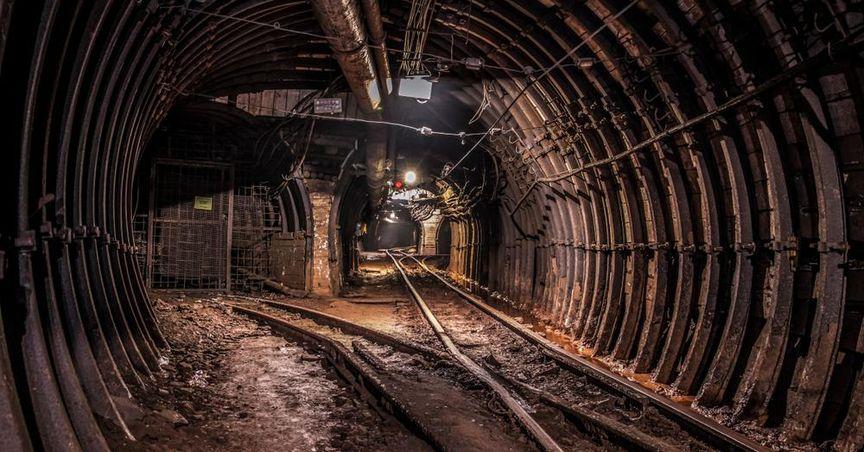
Cleveland-Cliffs Inc. (NYSE:CLF) functions as a leading iron ore pellet producer, emphasizing operational efficiency, extraction methods, and ore processing systems. Mining operations include open-pit excavation, ore concentration, pelletizing, and transportation of raw materials to steelmaking facilities. The company leverages vertically integrated workflows to connect iron ore production with steel fabrication, ensuring a streamlined supply chain from raw material to finished product. Mining operations require extensive planning in material extraction, energy allocation, and environmental management to meet industry standards for efficiency and sustainability.
Iron ore pellet production involves crushing, grinding, screening, and pellet formation. Cleveland-Cliffs Inc. incorporates advanced pelletizing technology to enhance material consistency, durability, and chemical composition. Pelletizing processes support steelmaking by providing uniform feedstock that enhances furnace efficiency, reduces energy consumption, and maintains metallurgical quality. Integration of mining and pellet production operations allows Cleveland-Cliffs to manage production volumes, maintain quality standards, and optimize logistics across the steel supply chain.
Steelmaking Processes and Technological Integration
Steel production remains a critical component of Cleveland-Cliffs (NYSE:CLF) operations. The company operates through integrated steelmaking processes, including iron making, melting, rolling, and finishing. Electric arc furnace and blast furnace operations transform iron ore and scrap metal into molten steel. Advanced metallurgical techniques focus on chemical balance, temperature control, and energy efficiency to produce high-quality flat-rolled steel. Integration of process monitoring, automated controls, and data-driven operational oversight ensures consistent output while maintaining safety and environmental standards.
Steelmaking facilities emphasize downstream production processes, including rolling, stamping, and surface treatment. Flat-rolled steel products undergo hot and cold rolling, cutting, and coating to meet specific dimensional and structural requirements for industrial, construction, and automotive applications. Cleveland-Cliffs combines material science with mechanical engineering to optimize product performance, corrosion resistance, and surface finish. Continuous monitoring of production parameters supports quality assurance across all stages of steel manufacturing.
Vertical Integration and Supply Chain Coordination
Vertical integration defines Cleveland-Cliffs' (NYSE:CLF) operational model, linking mining, steelmaking, rolling, and finishing activities. This structure enhances control over material quality, production timelines, and logistical coordination. Raw material extraction, transportation, and storage are seamlessly connected to steel production and downstream processing. Such integration supports consistent output, reduced operational inefficiencies, and strategic alignment across multiple production facilities. Supply chain coordination involves transport logistics, inventory management, and production scheduling to maintain operational stability and product availability.
Steel and mining companies must balance material input, production rates, and delivery timelines. Cleveland-Cliffs leverages vertical integration to coordinate these elements across multiple sites. By managing both upstream mining operations and downstream steel production, the company maintains a unified approach to operational efficiency. Coordination of logistics, energy consumption, and material handling ensures consistent quality, reduced downtime, and optimized production workflows across the enterprise.
Product Portfolio and Market Applications
Cleveland-Cliffs (NYSE:CLF) offers a comprehensive product portfolio spanning flat-rolled steel and iron ore pellets. Flat-rolled steel products are utilized in automotive manufacturing, construction, and machinery production. Iron ore pellets serve as a feedstock for steelmaking operations across multiple facilities. Product specifications include varying thickness, strength, and coating options to meet industrial and commercial requirements. The combination of material diversity and quality standards enables Cleveland-Cliffs to serve a broad range of manufacturing and construction sectors.
Downstream steel processing includes hot stamping, cold stamping, and surface treatment of steel parts and components. These processes enhance material durability, structural integrity, and suitability for specialized applications. Cleveland-Cliffs integrates metallurgical precision, mechanical processing, and quality control to produce steel products aligned with industrial demands. Product development emphasizes adaptability to customer specifications, structural performance, and compliance with regulatory standards in manufacturing environments.
Operational Efficiency and Technological Innovation
Operational efficiency remains central to Cleveland-Cliffs' (NYSE:CLF) production strategy. Advanced process automation, real-time monitoring, and energy management systems enhance productivity and reduce operational waste. Mining operations utilize modern excavation and material handling equipment, while steelmaking facilities integrate sensor-based process controls to optimize temperature, energy input, and metallurgical outcomes. Innovation in both extraction and fabrication processes ensures consistent material quality and operational reliability across all stages of production.
Technological innovation also extends to environmental sustainability. Emissions control, energy-efficient furnaces, and recycling initiatives contribute to reducing the environmental impact of steelmaking. Cleveland-Cliffs implements energy recovery systems, waste management protocols, and emission reduction strategies to meet industry sustainability standards. Ongoing research into material optimization, furnace efficiency, and advanced rolling techniques underpins the company's commitment to technologically advanced steel production.
Market Positioning and Industry Significance
Cleveland-Cliffs (NYSE:CLF) maintains a prominent position within the North American steel and mining sector, combining operational scale with production diversity. The company’s vertically integrated model positions it as a key supplier of both iron ore feedstock and flat-rolled steel products. Its operational footprint supports industrial supply chains, automotive manufacturing, construction, and infrastructure development. Through a combination of mining excellence and steelmaking proficiency, Cleveland-Cliffs contributes significantly to sector capacity, material availability, and industrial output.
Industry significance is reinforced by consistent product quality, operational reliability, and technical expertise in both mining and steel production. Cleveland-Cliffs' facilities serve as benchmarks for integrated steel operations, combining mining efficiency with metallurgical precision. Vertical integration allows the company to adapt production workflows to sector demands, maintain material standards, and ensure consistent throughput. Such positioning supports ongoing relevance within North American industrial markets.
Environmental and Regulatory Considerations
Environmental management remains a critical aspect of Cleveland-Cliffs (NYSE:CLF) operations. Compliance with air, water, and waste regulations is integrated into both mining and steelmaking activities. Emissions monitoring, energy management, and waste reduction initiatives form a part of operational protocols. Sustainable mining practices include land reclamation, resource-efficient extraction, and minimized ecological disruption. Steel production emphasizes energy optimization, recycling of scrap material, and emission reduction through advanced furnace technologies.
Regulatory adherence is achieved through continuous monitoring, reporting, and environmental management systems. Safety protocols, pollution control measures, and environmental audits are embedded across production workflows. Cleveland-Cliffs aligns operational practices with industry regulations, ensuring legal compliance, environmental stewardship, and operational consistency. These efforts demonstrate the company’s commitment to sustainable production practices across the steel and mining sectors.
Global and Domestic Production Networks
Cleveland-Cliffs (NYSE:CLF) operates production facilities and distribution networks across North America, integrating mining sites with steelmaking plants and downstream processing centers. Transportation logistics coordinate raw material movement, finished steel distribution, and supply chain efficiency. The company leverages regional production networks to serve industrial hubs, construction markets, and manufacturing clients efficiently. Domestic operations are complemented by partnerships and logistical solutions that optimize production flows across multiple facilities.
Network integration ensures alignment between material extraction, processing, and product delivery. Facilities are organized to maintain operational redundancy, logistical flexibility, and production scalability. Cleveland-Cliffs’ approach emphasizes continuity of supply, adaptability to operational constraints, and coordination across multiple operational nodes. Such infrastructure supports industrial reliability and ensures steel availability for a variety of sectors.
Innovation in Material Science and Steel Applications
Material science advancements remain central to Cleveland-Cliffs' (NYSE:CLF) steel product development. Research in alloy composition, strength optimization, and corrosion resistance informs the production of flat-rolled steel suitable for industrial, automotive, and construction applications. Innovations in surface coating, stamping processes, and structural reinforcement enhance product utility, durability, and performance. Continuous refinement in material properties allows Cleveland-Cliffs to produce steel aligned with evolving industrial specifications.
Applications of advanced steel include structural components, automotive parts, industrial machinery, and specialized fabrication projects. Cleveland-Cliffs integrates metallurgical expertise, engineering precision, and production innovation to meet sector requirements. Material science improvements support performance standards, industrial safety, and operational durability, contributing to overall sector quality and output reliability.
