
 AUS
AUS
 NZ
NZ
 UK
UK
 CA
CA
 USA
USA
 IND
IND





Highlights
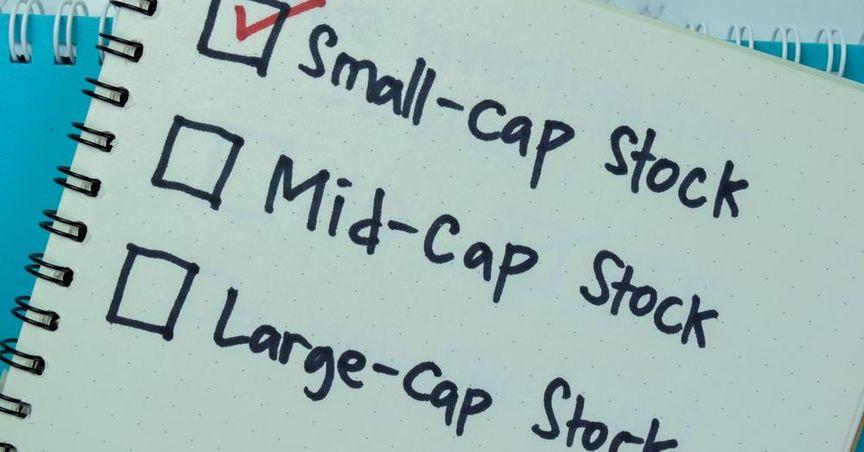
Smallcap stocks are drawing attention because London's market is showing renewed interest in companies that can explain their progress clearly. The mood is not indiscriminate. Investors are still cautious about funding needs and domestic demand, but they are prepared to look again at smaller companies with practical catalysts.
Advanced Medical Solutions (LSE:AMS), Supreme (LSE:SUP), Focusrite (LSE:TUNE) and Treatt (former LSE:TET) show the range of the smallcap universe. Healthcare products, consumer goods, specialist audio equipment and ingredients all respond to different market drivers, which is why this category rewards company-level reading.
The same-day backdrop matters. Takeover activity around larger quoted names has encouraged debate over whether UK-listed businesses are undervalued. That question can travel down the market-cap scale, but smaller companies still need evidence. Investors want trading updates, margin control, balance-sheet discipline and management credibility.
For Advanced Medical Solutions (LSE:AMS), the healthcare angle is about product demand and operational delivery. For Supreme (LSE:SUP), the focus is on consumer categories and distribution. For Focusrite (LSE:TUNE), demand from creators and professional users matters. For Treatt (former LSE:TET), ingredients demand and customer cycles are central.
Smallcap shares can react sharply because liquidity is often thinner than in blue chips. That sensitivity makes the category lively, but it also raises the importance of careful reading. Today's market is giving smallcaps a hearing, not a free pass.
Why This Question Matters
Small-Cap Stocks cannot be read as a single trade. Advanced Medical Solutions (LSE:AMS) FTSE AIM UK 50 INDEX gives the theme a clear reference point because its healthcare products provide a focused test of demand and operational delivery. Supreme (LSE:SUP) offers a different test because its consumer categories bring distribution, trading momentum and liquidity into view. That contrast helps separate sector attention from company execution. In today's selective London market, a supportive headline can open the door, but it will not keep investors engaged unless management can connect the theme to demand, margins, cash generation and a realistic timetable.
How To Read The Wider Group
Focusrite (LSE:TUNE) and Treatt (former LSE:TET) broaden the screen beyond the two leading names. Together, they show the range within Small-Cap Stocks even when the same market label is used. Investors can compare the group through company updates, takeover-led valuation interest, specialist demand and renewed attention on overlooked UK businesses. That comparison is more useful than treating every share as a direct substitute. One business may benefit from a supportive industry backdrop while another remains constrained by costs, funding or the pace of operational progress.
What Could Strengthen Confidence
The tone would improve if updates provide evidence of margin control, cash discipline, customer progress and management updates that meet stated milestones. Specific figures and milestones matter because they allow readers to judge whether progress is repeatable. A single upbeat announcement may lift attention, but a sequence of consistent updates is more likely to influence valuation. The best evidence also explains why an improvement occurred, what it costs to sustain and which pressures could interrupt it.
Risks That Keep The Story Balanced
The main risks include thin liquidity, narrow product exposure, financing constraints, customer concentration and sharp reactions to setbacks. Those pressures can offset a favourable backdrop and make share-price reactions uneven. For Advanced Medical Solutions (LSE:AMS), the key question is whether operational delivery matches the narrative already attracting attention. For Supreme (LSE:SUP), the market may focus on a different mix of milestones and balance-sheet demands. This is why the category should be monitored through company-specific evidence rather than used as a blanket conclusion.
What To Watch Next
Future news should be tested against three practical questions: is demand visible, is the funding or cost base disciplined, and is the next milestone measurable? A revival would be healthier if it rewards several well-executed business models rather than one short-lived speculative pocket. The clearer those answers become, the easier it is to distinguish a lasting improvement from a short-lived change in sentiment. That framework keeps the discussion useful without turning a live market theme into a recommendation.
How To Test The Next Update
When the next statement arrives, readers can compare its numbers with management's earlier targets and the latest signals across Small-Cap Stocks. The most useful update will identify what changed, quantify the effect and explain whether the improvement can continue. It should also make any funding, cost or timing pressure easy to see. Applying the same test to each company keeps the comparison consistent and prevents one attractive headline from carrying more weight than the underlying evidence.
