
 AUS
AUS
 NZ
NZ
 UK
UK
 CA
CA
 USA
USA
 IND
IND



_06_19_2026_12_34_15_139937.jpg)

Summary
- The company has written down the value of its natural gas assets by $17 billion and also slashed its capital spending to a 15-year low.
- The company has been facing a severe demand crunch since the pandemic outbreak, which has scaled down crude oil and natural gas prices across the world.
- After the announcement, the shares prices of ExxonMobil fell by 5 per cent and were trading at $38.13 per share in late trading on the New York Stock Exchange on November 30.
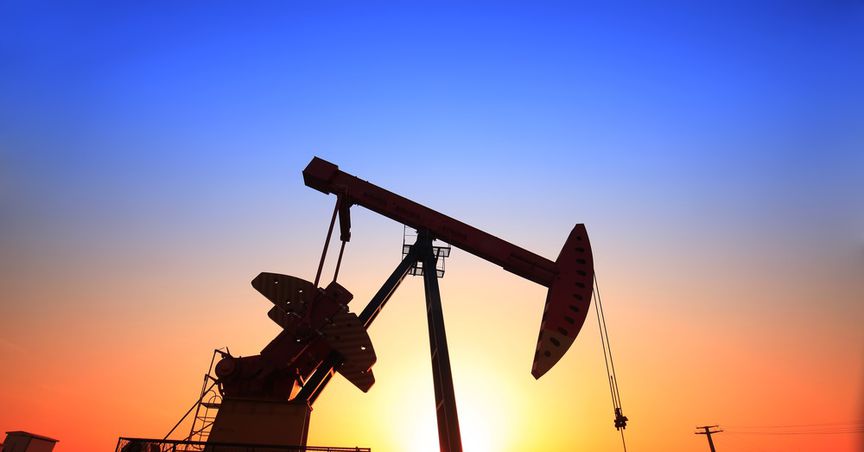
Oil and gas major ExxonMobil has announced a major impairment in the value of its natural gas assets and lowered it down by whooping $17 billion to $20 billion. Nonetheless, this impairment is less than the company’s earlier predictions which has resulted due to a massive drop in demand for crude and natural gas due to the pandemic. Moreover, the company has sharply cut down its capital spend on exploration to a 15-year low.
Incidentally, US-based oil and gas major ExxonMobil is not the only company this year to initiate such large asset impairment in the oil and gas sector. Earlier in July this year, British company Royal Dutch Shell had also announced a major write down of its asset value by up to $22 billion, followed by BP which wrote down its asset value by as $17.5 billion.
Hit by pandemic
The financial condition of the company has deteriorated this year, especially after March. The company had to raise significant debt. The oil major’s current debt to capitalisation ratio stands at 30 per cent, up by 10 per cent since January. The company lost almost 50 per cent of its share value over the past five years, before the pandemic outbreak.
The sector
The Brent and WTI crude are trading at much lower values than they were in January. Given the poor demand scenario of petroleum products, no noticeable improvement seems plausible in the near term.
However, the prices of natural gas have improved over the last few months, but that is mainly due to a marginal rise in demand with the onset of winter. Experts predict that they could adjust downwards once the cold season ends.
After the pandemic
The Covid- 19 infections are expected to be in control in the next six months with the rollout of a mass vaccination drive. This would help in reopening the cross-border transport networks. The transportation sector is the single largest consumer of petroleum products.
Renewables and climate change
Over the last decade or little more than that, an increased amount of thrust is being given by governments and environmental bodies to adopt renewable sources of power. For instance, the World Trade Organisation and the European Union have been insisting upon attaining zero carbon emission targets to curb pollution and environment degradation.
In the past few years, a significant increase in demand has been witnessed for electric vehicles. At the same time, emission requirements of internal combustion vehicles are getting tougher. While several European energy companies have started their transition process, it won’t be long before the US companies also follow suit.
