
 AUS
AUS
 NZ
NZ
 UK
UK
 CA
CA
 USA
USA
 IND
IND




Highlights
- Recent share movement has drawn attention without a single triggering event
- Operations span iron ore, aluminium, copper, and lithium across global markets
- Market valuation discussion centres on current levels relative to underlying performance
A detailed overview of Rio Tinto in the FTSE 100, covering recent momentum, diversified mining operations, and valuation context within global commodity and industrial trends.
The global mining sector forms a key pillar of the FTSE 100, with diversified resource groups shaping index performance through exposure to industrial and energy transition materials. Rio Tinto Group operates across multiple commodities, including iron ore, aluminium, copper, and lithium, positioning the company within a broad supply chain linked to infrastructure, manufacturing, and electrification trends. Recent market activity has drawn attention to the company’s valuation relative to its operational scale and financial profile.
Recent Market Performance and Momentum
Rio Tinto Group (LSE:RIO) has experienced steady upward movement in its shares over recent trading periods, reflecting sustained interest in diversified mining exposure. This momentum has developed in the absence of a singular headline event, instead aligning with broader sentiment toward commodities and industrial demand.
Short-term fluctuations have remained relatively modest, while longer-term trends indicate stronger appreciation. Such patterns highlight how market participants have responded to the company’s production mix and geographic footprint. The gradual nature of this movement indicates accumulation rather than sudden revaluation.
This pattern also reflects how large mining entities often respond to macroeconomic conditions, including construction demand, manufacturing cycles, and shifts in energy infrastructure. As a result, valuation discussions frequently extend beyond company-specific developments to include wider sector dynamics.
Operational Structure and Commodity Exposure
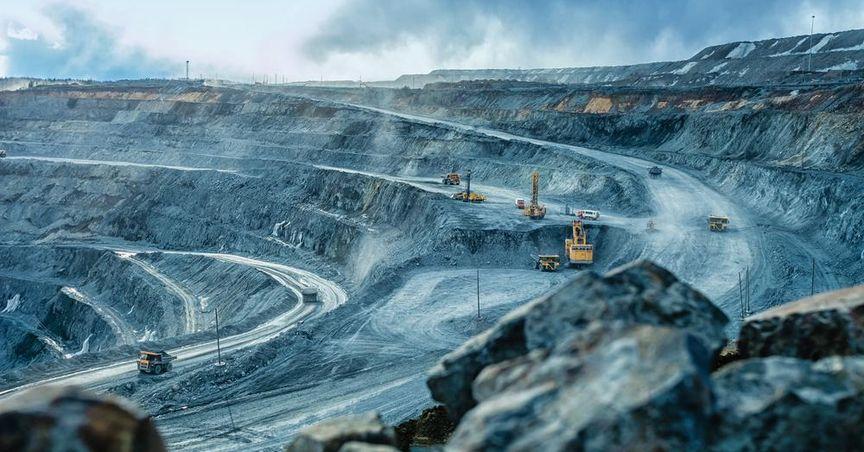
Rio Tinto Group (LSE:RIO) maintains a diversified portfolio spanning several core segments. Iron ore remains a central contributor, supported by extensive operations in Australia. Aluminium operations include bauxite extraction, alumina refining, and smelting, while copper activities encompass both open-pit and underground mining along with associated processing.
Lithium has emerged as an additional area of focus, reflecting growing demand tied to battery technologies and electrification. This multi-commodity structure enables the company to distribute exposure across different industrial applications, reducing reliance on any single resource category.
Geographically, revenue streams are distributed across major global markets. Demand from Asia, particularly China, represents a significant component, while North America, Europe, and other regions contribute additional layers of diversification. Such geographic spread influences how external factors, including trade conditions and regional industrial activity, affect overall performance.
Valuation Context Within the Sector
Within the mining segment of the ftse 100 index, valuation discussions often revolve around earnings capacity, commodity cycles, and production efficiency. In the case of Rio Tinto, recent market levels have prompted comparisons with estimated fair value benchmarks derived from prevailing assumptions about commodity demand and operational output.
Some widely cited perspectives place estimated fair value below recent trading levels, indicating a gap between current market perception and underlying financial expectations. This difference stems largely from assumptions about future commodity demand, cost structures, and production volumes.
Mining companies typically exhibit valuation sensitivity to external variables such as raw material demand, geopolitical developments, and currency movements. As a result, assessments of relative valuation can shift as these external conditions evolve, even in the absence of significant internal changes.
Financial Profile and Scale
Rio Tinto’s financial scale reflects its position among the larger global mining groups. Revenue generation spans multiple commodity streams, while earnings growth has shown moderate expansion over recent reporting periods. This combination of scale and diversification contributes to resilience across different phases of the commodity cycle.
Earnings performance is supported by a mix of established operations and newer resource segments. Iron ore continues to provide a substantial foundation, while aluminium and copper contribute additional stability. Lithium, though smaller in comparison, aligns with longer-term structural shifts in energy systems.
Operational efficiency, production costs, and capital allocation also play a role in shaping financial outcomes. These factors influence how effectively the company converts resource extraction into sustained earnings across varying market conditions.
Market Perception and Comparative Positioning
Market perception of Rio Tinto often reflects its standing among global mining peers. Comparisons frequently include other diversified resource companies with similar exposure to industrial metals and energy transition materials. Within this context, valuation differences may arise based on asset quality, geographic exposure, and production efficiency.
The company’s inclusion in the FTSE 100 reinforces its visibility among institutional market participants and index-tracking funds. This positioning can influence trading patterns, particularly during periods of broader index rebalancing or shifts in sector allocation.
Momentum observed in recent periods suggests continued engagement from market participants assessing exposure to commodities linked to infrastructure and electrification. However, the extent to which current levels align with underlying fundamentals remains a central point of discussion.
Commodity Trends and External Influences
Commodity markets play a decisive role in shaping the financial trajectory of mining companies. Iron ore demand is closely tied to construction and steel production, while aluminium and copper are linked to manufacturing and energy infrastructure. Lithium demand reflects the expansion of battery technologies and electric mobility.
External influences such as trade flows, regulatory environments, and environmental considerations also affect production and distribution. These elements contribute to fluctuations in earnings and valuation metrics over time.
For Rio Tinto (LSE:RIO), the balance between established commodities and emerging materials provides a diversified exposure profile. This structure allows participation in both traditional industrial demand and evolving energy systems, reinforcing its relevance within the global mining landscape.
