
 AUS
AUS
 NZ
NZ
 UK
UK
 CA
CA
 USA
USA
 IND
IND



_06_19_2026_10_41_46_758506.jpg)

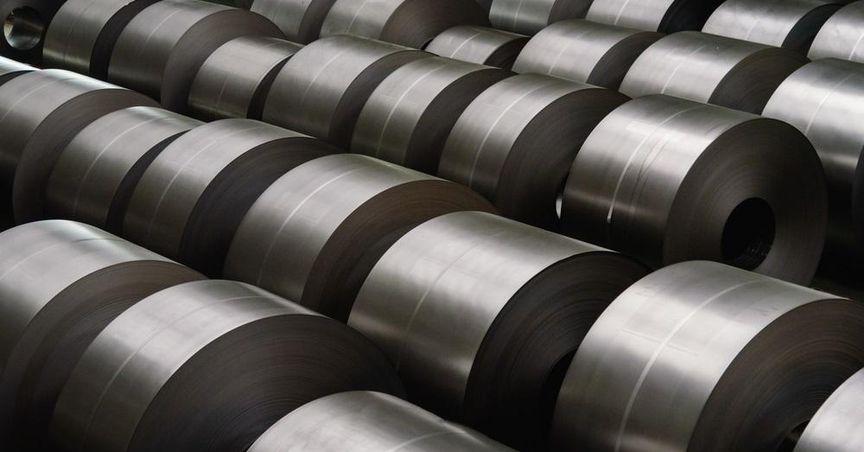
The UK government is on the verge of finalizing a £1.25 billion agreement with Tata Steel (LSE:TTST) to support the transition of its Port Talbot steelworks to more environmentally-friendly operations, as reported on Monday by Sky News. The deal is a significant step in modernizing the UK steel industry and addressing environmental concerns.
Business Secretary Jonathan Reynolds is expected to provide an update to Parliament on the agreement soon. According to Sky News, the deal, which was negotiated following Labour's general election victory, involves a substantial £500 million government grant. This grant is intended to help Tata Steel shift from traditional blast furnaces, which are more carbon-intensive, to electric arc furnaces, which are considered more sustainable and energy-efficient.
As part of the agreement, Tata Steel will contribute £750 million to the project. However, the transition is expected to lead to the loss of nearly 3,000 jobs at the Port Talbot facility. Negotiations are currently focused on finalizing redundancy terms and developing retraining programs to support the affected workers as they transition to new roles.
A source close to the negotiations indicated that Tata Steel might increase its investment in the plant based on evolving business needs. This potential additional investment underscores the company's commitment to the long-term future of the Port Talbot site and its role in the UK steel industry.
The business secretary's forthcoming statement is expected to highlight the broader significance of steelmaking to the UK economy. However, it is anticipated that the government's full steel industry strategy, which would outline broader plans and goals, will not be released alongside the announcement of this specific deal.
In contrast, negotiations with British Steel, the UK’s second-largest steel producer, have reportedly hit a standstill. British Steel, which is under Chinese ownership, is facing its own challenges. The company might close its Scunthorpe blast furnaces by December, a move that could further threaten thousands of jobs in the sector.
This situation highlights the broader challenges facing the UK steel industry as it navigates the transition to greener technologies while addressing the economic and social impacts of such changes.
