
 AUS
AUS
 NZ
NZ
 UK
UK
 CA
CA
 USA
USA
 IND
IND




_06_19_2026_12_34_15_139937.jpg)

Highlights
- Infrastructure asset strategies continue drawing attention across the United Kingdom financial landscape.
- Pantheon Infrastructure (LSE:PINT) maintains a diversified infrastructure asset portfolio spanning transport, energy systems, logistics and digital networks.
- Infrastructure companies remain closely associated with wider market discussions surrounding sustainability and essential services.
Infrastructure finance represents a specialised segment of the financial services sector, focusing on essential assets that support energy distribution, transportation networks, digital connectivity and public service facilities. Pantheon Infrastructure (LSE:PINT) operates within this sector while maintaining association with broader United Kingdom market conversations that frequently intersect with themes surrounding the FTSE family of indices.
Infrastructure Finance Within The United Kingdom Market
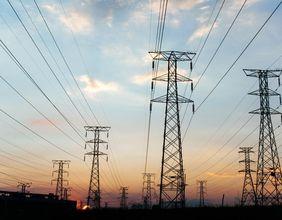
Infrastructure finance occupies a distinctive place within the United Kingdom capital environment, linking institutional capital with essential assets that underpin daily economic activity. Electricity transmission networks, logistics corridors, renewable energy installations and digital communication systems all fall within the broad spectrum of infrastructure projects that attract institutional participation.
The market environment surrounding infrastructure often interacts with wider benchmarks across the United Kingdom equity landscape. Discussion frequently references the FTSE family of indices, which collectively reflect activity across a broad set of listed companies spanning numerous sectors. Infrastructure companies contribute to this wider landscape through exposure to essential services and long-duration assets.
A defining characteristic of infrastructure assets lies in their direct connection to real-world systems. Electricity networks distribute power across urban and rural environments, fibre-optic networks transmit digital communication, while transportation corridors enable movement of goods and passengers across regions. Financial structures supporting these assets often involve specialised funds, infrastructure companies and institutional partnerships that connect capital providers with asset operators.
Within the United Kingdom market environment, infrastructure entities frequently appear within conversations involving diversified equity benchmarks such as the FTSE all share. Such benchmarks provide a broad representation of the listed corporate landscape and reflect the variety of industries present within the national economy. Infrastructure companies form part of this wider ecosystem through exposure to energy systems, transportation infrastructure and communication networks.
Pantheon Infrastructure participates in this environment through a diversified asset strategy that focuses on infrastructure systems spanning several sectors. Digital networks, transportation facilities, logistics platforms and renewable energy assets collectively form part of the portfolio framework associated with the company. Each category reflects infrastructure that serves long-established operational functions within the wider economy.
Infrastructure Portfolio Themes Across Key Sectors
Infrastructure portfolios frequently combine exposure across several sectors in order to capture the operational diversity of modern infrastructure systems. Energy distribution networks represent a core element of many infrastructure portfolios, reflecting the fundamental role of electricity supply and transmission. Renewable energy installations, utility networks and energy storage systems collectively contribute to national energy frameworks that support households, businesses and public services.
Transport infrastructure also represents a major component within diversified infrastructure portfolios. Ports, rail corridors, logistics centres and urban transit systems support the movement of goods and passengers across regions. These facilities serve essential economic functions by linking production centres, distribution hubs and urban populations.
Digital infrastructure forms another expanding element within infrastructure portfolios. Fibre networks, data facilities and communication towers support digital connectivity across businesses and households. As communication technologies evolve, digital infrastructure continues serving as the backbone of information exchange and digital services.
Infrastructure companies also incorporate social infrastructure assets within portfolio frameworks. Educational facilities, healthcare centres and community service buildings often appear within infrastructure portfolios due to their role in delivering essential services. These assets contribute to community functionality while operating within structured infrastructure financing arrangements.
Pantheon Infrastructure integrates multiple infrastructure categories within its asset approach. The portfolio framework spans digital connectivity systems, energy infrastructure, logistics facilities and transportation assets. Each category reflects operational infrastructure that supports everyday economic activity across regions.
Market Conversations Linked With FTSE Benchmarks
Within the United Kingdom equity environment, discussion surrounding infrastructure companies often appears alongside reference to widely followed benchmarks such as the FTSE 350. This benchmark reflects a broad representation of large and mid-sized companies listed across the London market and serves as a widely referenced indicator of corporate activity across numerous sectors.
Infrastructure companies interact with this wider landscape through their participation in the listed market ecosystem. Market observers frequently review infrastructure activity alongside developments across major indices, as both reflect broader corporate dynamics within the United Kingdom.
Discussions connected with the Indexftse Ukx also appear within the broader market conversation, particularly when examining sector distribution across the listed market. While the composition of each benchmark differs, infrastructure entities remain part of the wider financial services and asset management environment that interacts with the national equity market.
Infrastructure companies frequently appear in commentary involving sector diversification within United Kingdom equities. Energy systems, digital infrastructure and transportation facilities represent core operational sectors within the economy, linking infrastructure assets with broader economic frameworks. These relationships often shape conversations surrounding listed infrastructure companies within the wider market landscape.
Sustainability And Infrastructure Systems
Environmental and sustainability considerations have become closely associated with infrastructure systems across the United Kingdom. Renewable energy installations, modern electricity transmission networks and energy storage systems all form part of evolving infrastructure frameworks that support low-carbon energy systems.
Infrastructure assets frequently incorporate environmental design features intended to align with national climate frameworks and environmental objectives. Renewable energy facilities, modern transport infrastructure and energy-efficient buildings contribute to sustainability discussions that appear throughout the infrastructure sector.
Digital infrastructure also intersects with sustainability themes through improvements in network efficiency and data management systems. Data facilities incorporate advanced cooling technology and energy-efficient operations, while communication networks support remote communication and digital service access across businesses and communities.
Within the broader financial market environment, sustainability considerations often appear alongside discussions surrounding FTSE dividend stocks. These conversations frequently reference sectors connected with energy, utilities and infrastructure, as these industries provide essential services while navigating environmental transitions.
Infrastructure portfolios commonly incorporate renewable power assets, transportation facilities designed to support efficient logistics systems and digital networks that enable communication across regions. These categories collectively illustrate the evolving relationship between infrastructure systems and sustainability frameworks.
Role Of Infrastructure In Everyday Economic Activity
Infrastructure systems form the operational backbone of modern economies. Electricity distribution networks supply power to homes and businesses, transportation systems enable movement of goods and services, while digital networks connect communication platforms across regions.
These systems require long-term operational planning and continuous maintenance, which often leads to specialised financing structures designed to support infrastructure assets over extended operational lifecycles. Infrastructure companies operate within this environment by managing portfolios that include operational assets across energy, transport and communication sectors.
Logistics networks illustrate the operational significance of infrastructure within economic systems. Distribution centres, transport corridors and port facilities collectively support the movement of goods from manufacturing facilities to retail outlets and urban markets. These networks function as integral components of modern supply chains.
Digital connectivity represents another essential infrastructure category. Fibre networks, data facilities and wireless communication systems facilitate information exchange across businesses, educational institutions and public services. As digital services expand across the economy, communication networks remain central to modern economic functionality.
Pantheon Infrastructure (LSE:PINT) participates in this infrastructure ecosystem through exposure to a diversified set of operational assets across energy systems, transport infrastructure, digital connectivity and logistics facilities. These categories illustrate the range of infrastructure systems that support everyday economic activity across the United Kingdom and beyond.
Infrastructure activity continues forming an integral element of the United Kingdom corporate landscape. Energy networks, logistics corridors and digital connectivity systems illustrate how infrastructure assets operate at the intersection of financial markets and essential services. Through diversified infrastructure portfolios, companies such as Pantheon Infrastructure remain connected with these systems that support everyday economic functionality.
