
 AUS
AUS
 NZ
NZ
 UK
UK
 CA
CA
 USA
USA
 IND
IND






Highlights:
- 620 Miles of New Grid Lines Needed: Britain must add over 620 miles of grid lines by 2030 to support its net zero targets, more than twice the total built in the last decade.
- Voluntary Power Reductions Essential: Increased public participation in voluntary power reductions during peak hours is critical to achieving decarbonisation goals.
- Significant Investment Required: Reaching the target will need an estimated £40 billion annually, primarily from private sector funding.
Britain’s journey toward its ambitious 2030 net zero goals hinges on extensive infrastructure updates and a nationwide commitment to energy management, according to a new report by the National Electricity System Operator (NESO). With calls for over 620 miles of additional power lines and increased voluntary power reductions during peak times, the report outlines the scale of the challenges ahead. These goals align with the government’s commitment to decarbonise the electricity sector by the end of the decade. Yet, achieving this will require fundamental shifts in energy planning, significant public cooperation, and substantial investment.
A Monumental Grid Expansion Project
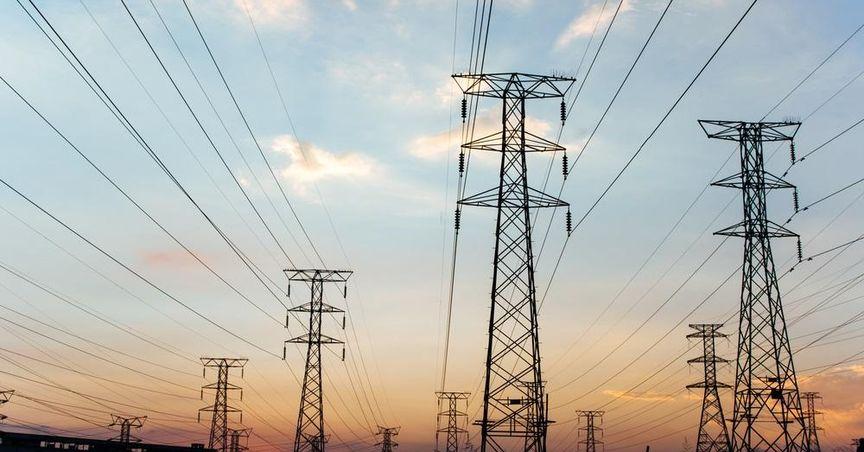
The NESO report emphasizes that adding 620 miles of new grid lines is essential for bolstering Britain’s capacity to support renewable energy sources and manage power effectively. The proposed expansion is over twice the total grid lines built in the last ten years, underscoring the magnitude of the task. NESO’s call for this expansion highlights the urgency of developing a modern grid that can accommodate renewable energy while ensuring reliable service across the nation.
One key challenge is navigating the planning process for new grid lines, which historically has been slow and complex. The current process has impeded progress on critical infrastructure projects, delaying grid modernization and the integration of new energy sources. NESO underscores that improving the planning system is critical to meet the 2030 decarbonisation target, stressing the need for streamlined regulations to accelerate grid development.
Voluntary Power Reductions as a Key Strategy
In addition to grid expansion, NESO’s report underscores the importance of public participation in voluntary power reductions, especially during peak demand periods. This approach, which involves compensating individuals and businesses for reducing energy usage at specified times, could play a vital role in stabilising the grid and balancing demand with supply. As part of the decarbonisation strategy, these voluntary “demand-response” programs will help mitigate grid strain during peak periods, reducing the likelihood of blackouts and enabling a more flexible energy system.
Increasing participation in voluntary power reductions represents a shift in consumer behavior, calling for greater public awareness and incentives. NESO points to the need for substantial public education on the importance of peak demand management and how individuals can contribute to the broader decarbonisation goals. Expanding these programs is also expected to lead to new technologies and systems that make it easier for consumers to monitor and manage their energy usage.
Substantial Investment from the Private Sector
Achieving the 2030 net zero target will require an estimated £40 billion in annual investment, primarily from the private sector, according to NESO. This capital will fund a range of initiatives, from grid expansion to infrastructure modernization, as well as supporting programs that incentivize public engagement in energy management. NESO envisions that private sector investment will be essential for mobilizing the capital required to meet the infrastructure demands of a net zero economy.
The government has outlined its plans to decarbonise the grid but acknowledges that such an extensive overhaul will rely heavily on public-private partnerships. By encouraging private investment in the energy sector, the government aims to create a framework for sustainable growth, in which businesses and individuals can both benefit from the transition to cleaner energy. This approach not only aligns with the net zero objectives but also creates opportunities for private enterprises to develop new technologies, systems, and services within the renewable energy sector.
Government Endorsement and Strategic Plan
Energy Minister Ed Miliband praised the NESO report as a validation of the government’s plans for a net zero future. He highlighted that the findings reinforce the need for modernizing Britain’s energy infrastructure and prioritizing sustainable practices. The government is expected to release its action plan for grid modernization within the coming months, detailing specific initiatives to accelerate grid expansion, streamline planning procedures, and promote public participation in voluntary power reductions.
The forthcoming action plan is anticipated to include policy measures that facilitate smoother regulatory processes for energy infrastructure projects. The government aims to establish guidelines that reduce bureaucratic hurdles, making it easier for grid expansions and upgrades to proceed without unnecessary delays. Additionally, the action plan is expected to outline mechanisms for incentivizing private sector investment, enabling companies to partner with the public sector in achieving these ambitious energy goals.
Implications for Britain’s Energy Future
The NESO report sheds light on the multifaceted challenges of transitioning to a net zero economy. With grid expansion, public participation, and investment identified as critical pillars, Britain faces an enormous task. However, the report also highlights significant opportunities for innovation and collaboration, particularly in developing a smarter, more resilient grid that can adapt to the evolving demands of renewable energy.
For the general public, the focus on voluntary power reductions signals a shift toward active consumer engagement in energy management. As energy consumers become key players in grid stability, programs that reward demand-response behaviors will gain traction, fostering a new approach to energy consumption that benefits both individuals and the broader grid.
On a larger scale, the commitment to grid modernization, combined with sustained private sector investment, positions Britain as a leader in the renewable energy transition. By achieving its 2030 goals, the country could serve as a model for other nations, demonstrating the viability of comprehensive decarbonisation strategies and showcasing the benefits of public-private collaboration in the energy sector.
Conclusion: The Road Ahead for Britain’s Net Zero Ambitions
The path to achieving Britain’s 2030 net zero goals is complex, requiring a strategic blend of infrastructure upgrades, public participation, and private investment. NESO’s report underscores the importance of these elements, providing a roadmap for the government, industry, and citizens to work together toward a cleaner energy future. The challenges ahead are substantial, but with coordinated efforts and a clear vision, Britain has the potential to transform its energy landscape, creating a resilient and sustainable system that supports both economic growth and environmental stewardship.
