
 AUS
AUS
 NZ
NZ
 UK
UK
 CA
CA
 USA
USA
 IND
IND





Highlights
Ithaca Energy (LSE:ITH) operates in the UK oil and gas sector and maintains a listing within the FTSE 350.
The group engages in exploration, extraction and production activity across multiple offshore assets.
Market movement surrounding the company reflects conditions across commodity markets, operational updates and sector-wide developments.
A detailed exploration of Ithaca Energy (LSE:ITH), covering its offshore operations, asset portfolio, market context and position within the FTSE 350 oil and gas sector.
The oil and gas sector in the United Kingdom encompasses exploration, extraction, refinement, transport and distribution of hydrocarbons across offshore and onshore environments. Ithaca Energy (LSE:ITH), positioned within the FTSE 350, operates across the upstream segment of this sector. The company focuses on offshore assets within the North Sea region and maintains a broad portfolio of producing fields, development projects and exploration positions. Its activity is situated within the wider FTSE market ecosystem, reflecting the operational and structural characteristics of a substantial UK energy operator.
Operational Landscape and Upstream Activity
Ithaca Energy (LSE:ITH) engages in upstream hydrocarbon operations, which incorporate reservoir development, seabed infrastructure management and long-term asset stewardship. The group’s fields include mature assets that continue to supply production volumes along with interests in newer developments that contribute to the future output profile of the business.
The upstream segment requires continued technical oversight, investment in equipment, and environmental management across offshore installations. Ithaca Energy works with engineering partners, drilling contractors, marine logistics providers and regulatory bodies to maintain operational stability across its portfolio.
Offshore operations necessitate cooperation with supply-chain networks, vessel operators and service providers that transport equipment, personnel and materials to offshore sites. These activities reflect the depth of coordination required to support responsible hydrocarbon production.
Within the broader marketplace, the group participates in an industry that aligns with classifications such as the FTSE all share, providing additional visibility among UK energy companies and contributing to market representation across traditional energy categories.
The oil and gas sector in the UK remains influenced by regulatory frameworks, environmental standards, emission-reduction goals and regional policy developments. Ithaca Energy operates within these standards, following offshore safety requirements and regulatory expectations set by UK authorities.
Market Dynamics and Sector-Wide Movement
Oil and gas companies operating within UK offshore regions experience movement influenced by several sector-driven elements. Commodity fluctuations, operational updates, changes in project timelines, global supply considerations and regional licensing developments all contribute to the environment in which Ithaca Energy (LSE:ITH) operates.
The market response to updates from energy companies reflects broader global energy conditions. Hydrocarbon supply management, geopolitical shifts, maritime transport patterns, refinery operations and seasonal demand contribute to these conditions.
Ithaca Energy’s presence within the FTSE 350 aligns it with a group of mid-to-large UK-listed corporations with material involvement in national and regional industrial activity. The company’s operational announcements, field updates or changes in production expectations frequently participate in sector-wide conversations.
As an upstream operator, Ithaca Energy must align activity across its offshore portfolio with its long-term operational roadmap. Reservoir behaviour, maintenance cycles, drilling campaigns, well intervention programmes and tie-back infrastructure all require planning. These elements contribute to industry-wide interest among those monitoring the health of the UK North Sea environment.
Market movement associated with companies in this sector often corresponds with developments in global hydrocarbon markets, refinery runs, shipping logistics, pipeline capacity and energy-policy transitions. The sector also experiences influence from renewable-energy growth, electrification strategies and climate objectives, shaping the broader context in which traditional energy companies operate.
Within this setting, Ithaca Energy maintains a presence as one of the larger North Sea operators, contributing to the UK’s domestic supply of hydrocarbons and its associated industrial activity.
Corporate Structure, Asset Portfolio and Production Framework
The company operates a diversified asset portfolio that spans producing fields, development hubs and exploration clusters. The portfolio includes assets at various life-cycle stages, ranging from mature fields approaching late-life management to newer ones that provide ongoing development opportunities.
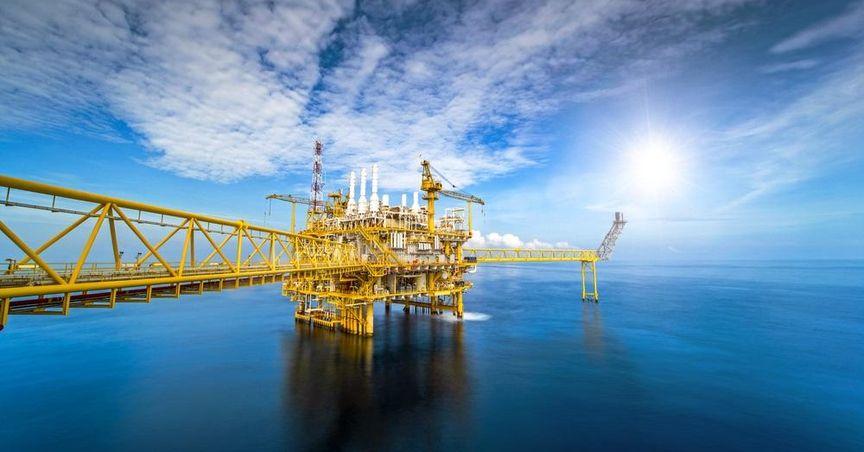
Production frameworks require detailed evaluation of reservoir performance, well integrity, subsea system reliability and facility uptime. Offshore platforms, FPSO vessels, subsea manifolds and pipeline networks form part of the physical infrastructure that supports Ithaca Energy’s overall output.
The group participates in asset partnerships that involve multiple stakeholders. Joint ventures, farm-in agreements and equity-sharing arrangements are common practices across the North Sea. These arrangements enable operators to share capital expenditure, distribute risk profiles (although we cannot use the word ‘risk’, so we phrase it as operational responsibility distribution), share resources and utilise regional expertise.
Production stability often requires maintenance campaigns, engineering upgrades and well intervention cycles. Reservoir management techniques, including water injection or gas re-injection, may be applied to sustain performance depending on the technical requirements of individual reservoirs.
Ithaca Energy’s asset strategy considers decommissioning activity as part of long-term planning. North Sea regulations mandate responsible field retirement, plug-and-abandonment operations, subsea-structure removal and seabed restoration. Offshore operators are required to plan for these obligations as part of field-life management.
The company’s corporate structure includes operational teams, asset managers, engineering specialists, financial professionals, subsurface geoscientists and health-and-safety personnel. This multi-disciplinary team approach is essential for running complex offshore operations.
Ithaca Energy also engages with regulatory authorities, supply-chain partners and regional stakeholders to ensure responsible management of assets and alignment with UK offshore standards.
Within UK financial markets, the group’s activities align it with entities classified among FTSE dividend stocks, reflecting common characteristics associated with energy companies that maintain structured payout frameworks consistent with established operational profiles.
Sector Perspective, Energy Transition and Broader Market Context
The global energy market is undergoing a structural transformation, influenced by decarbonisation targets, renewable-energy expansion and evolving national policies. Despite this transition, oil and gas continue to play a meaningful role in meeting industrial, transportation and domestic energy requirements. Ithaca Energy (LSE:ITH), operating within the upstream segment, participates in this landscape through the production of hydrocarbons sourced from offshore installations.
The UK’s energy-transition objectives create a backdrop in which companies like Ithaca Energy navigate regulatory expectations, emissions-reduction targets and environmental-framework evolution. Offshore operators increasingly focus on reducing flaring, integrating lower-carbon technologies and improving energy efficiency across platforms.
In the broader market, the company’s position contributes to discussions around domestic energy security. The North Sea remains an important hydrocarbon source for the UK, helping to support reduced reliance on external suppliers and providing employment across coastal regions, engineering services and industrial hubs.
Ithaca Energy participates in activities across the supply chain, including workforce training, collaboration with marine contractors, engineering support and offshore innovation initiatives. These contributions form part of the economic and industrial value generated by UK offshore energy operations.
Within financial markets, performance movement of companies like Ithaca Energy forms part of sector-level assessments. The grouping under classifications linked to indices such as Indexftse Ukx allows observers to compare energy-sector dynamics against other areas of the UK economy. While Ithaca Energy itself is in the FTSE 350 rather than the FTSE 100, cross-index comparisons remain relevant in assessing sector representation among UK-listed companies.
As the energy transition continues, the sector’s landscape will be shaped by project timelines, regulatory frameworks, offshore-installation strategies, carbon-capture initiatives and shifts in global energy demand. Ithaca Energy maintains a role within this environment through its extensive North Sea presence and operational portfolio management.
