
 AUS
AUS
 NZ
NZ
 UK
UK
 CA
CA
 USA
USA
 IND
IND





Highlights
Tullow Oil operates within the global oil and gas exploration and production sector, contributing to the broader FTSE All-Share landscape.
Its operations span exploration workflows, reservoir assessment, drilling activity, production systems and international partnerships.
Corporate activity integrates sustainability frameworks, energy-transition planning, supply-chain coordination and operational-technology development.
A comprehensive review of Tullow Oil (LSE:TLW), detailing exploration activity, production systems, environmental initiatives and its position within the FTSE All-Share Index.
Tullow Oil (LSE:TLW) operates within the international oil and gas exploration and production sector, focusing on subsurface analysis, offshore and onshore developments, drilling activity and resource-management programmes across multiple regions. As part of the FTSE All-Share environment, the company contributes to a wide market segment that reflects the performance of a diverse range of UK-listed industries. Its operational framework connects with the broader FTSE market ecosystem, where energy entities continue to influence sector sentiment, industrial output and international resource supply chains.
The company’s activity includes exploration campaigns, production planning, machinery coordination, offshore-platform operations, regional partnerships and engineering-driven infrastructure development. Tullow Oil participates in complex exploration landscapes across Africa and other regions, where geological formations, basin characteristics, drilling conditions and regulatory frameworks shape exploration outcomes.
Technical specialists, including geologists, petroleum engineers, seismic interpreters, subsea-equipment teams and drilling supervisors, contribute to its operational functions. Each discipline supports the lifecycle of exploration, from seismic acquisition through to late-stage field development.
This foundation aligns the company with the wider marketplace of large operators and mid-tier exploration groups, linking its performance dynamics with the evolving global energy sector.
Exploration Initiatives, Subsurface Mapping and Drilling Activity
Tullow Oil (LSE:TLW) undertakes extensive subsurface exploration to identify hydrocarbon reservoirs and assess field viability across various basins. Exploration initiatives include seismic-data interpretation, geological fieldwork, basin modelling and exploratory drilling that inform the development of new assets and the optimisation of existing fields.
Seismic data acquisition creates detailed subsurface images through advanced wave-reflection techniques. These images allow geoscientists to interpret stratigraphic layers, identify fault lines, evaluate reservoir geometry and determine potential fluid content. Reservoir models incorporate porosity, saturation, permeability, fluid distribution and pressure conditions to help technical teams understand potential field behaviour.
Drilling phases incorporate directional-drilling plans, drilling-fluid programmes, casing design strategies and safety frameworks that ensure operational stability during exploration. Engineers integrate multiple considerations, such as rock strength, reservoir targets, temperature conditions, formation pressures and drilling-rig capabilities.
Rig operations require coordinated planning among drilling crews, logistics teams, safety supervisors and maintenance personnel. This coordination allows for the movement of equipment, the management of drilling consumables, the inspection of drill strings, the control of drilling parameters and the handling of cuttings generated during operations.
Exploration wells function as the gateway to future development phases. If a well meets geological expectations, Tullow Oil may progress to development drilling, platform planning, subsea-equipment installation and production infrastructure design.
Environmental-impact assessments form an integral part of exploration. Before drilling activity proceeds, regulatory authorities conduct detailed evaluations to determine whether exploration can coexist with surrounding marine ecosystems, wildlife habitats and coastal environments.
Because exploration forms a fundamental part of the wider sector, companies like Tullow Oil often appear in contexts where extractive industries intersect with market classifications captured under the FTSE all share framework.
Production Systems, Midstream Operations and Global Energy-Supply Chains
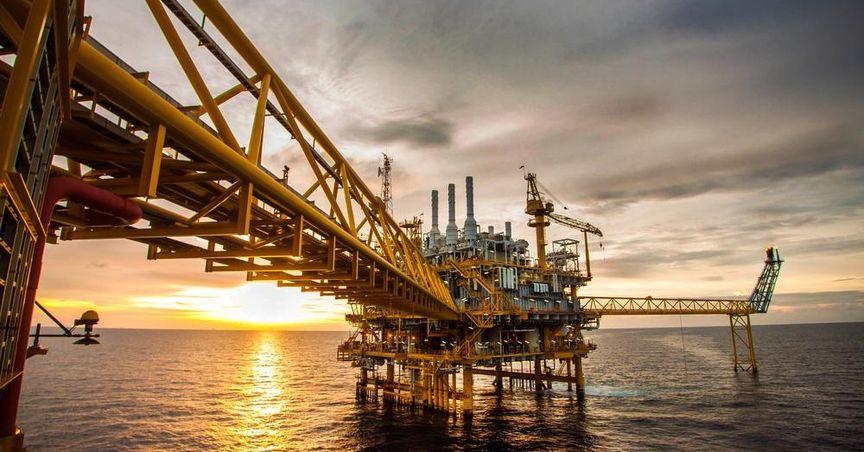
Tullow Oil (LSE:TLW) maintains infrastructure across multiple production phases, connecting offshore and onshore facilities to global energy-supply chains. Production systems encompass subsea-tree installations, flowline networks, riser systems, floating-production vessels, processing units, field-monitoring equipment and export facilities.
Production teams manage the separation of hydrocarbons into liquid and gaseous components through on-platform or onshore processing systems. These processes involve the removal of unwanted substances, stabilisation procedures, gas reinjection systems, crude-conditioning techniques and pipeline-ready preparation.
Operational engineers monitor system pressure, fluid dynamics, component stress points, equipment temperature, tidal movements, environmental conditions and pipeline integrity. Real-time digital tools enable remote monitoring, allowing teams to track flow conditions and identify inconsistencies quickly.
Midstream operations include:
-
pipeline networks delivering crude and gas to export terminals
-
shipping arrangements for international delivery
-
processing coordination with refineries
-
storage-facility integration
-
compression-station management
-
industrial-distribution systems
Export terminals support marine-based loading systems, storage tanks, metering stations and safety-monitoring equipment. Tanker logistics require coordination with maritime authorities, shipping-route planners, port-operation teams and safety regulators.
Supply-chain divisions contribute by sourcing materials, handling rig-component procurement, transporting equipment, delivering drilling consumables, coordinating contracts with service providers and handling onshore-base logistics. These functions deliver continuity across drilling and production phases.
Energy-sector companies frequently appear in broader industry narratives linked to FTSE dividend stocks because of the sector’s association with established revenue cycles, long-term operational commitments and large-scale asset profiles.
Routine maintenance ensures system reliability and operational consistency. Inspection programmes evaluate corrosion, mechanical fatigue, valve performance, flowline strength, structural stability, emergency-shutdown readiness and other safety-critical factors.
Energy-Market Influences, Geopolitical Conditions and Sector Drivers
Tullow Oil (LSE:TLW) operates across a sector shaped by global energy-market dynamics, international geopolitics, environmental considerations, shipping routes, industrial consumption patterns and commodity-supply arrangements. Fluctuations in global demand for hydrocarbons influence production planning, investor sentiment, drilling schedules and supply-chain requirements.
Industrial consumption patterns determine energy-resource movement across continents. Manufacturing, transport, power generation and petrochemical requirements collectively influence demand trends. Weather conditions, seasonal cycles and regional climate patterns can alter heating and electricity consumption, affecting energy usage.
Geopolitical conditions shape trade relations, offshore-licensing strategies, export-route access, military-zone risks, regional maritime rules and national policy developments. Energy-sector firms must adapt to the geopolitical landscape, maintaining strategic flexibility while honouring operational commitments.
Environmental-policy frameworks establish rules governing emissions, water-usage limits, environmental-impact thresholds, wildlife protections, flaring restrictions and waste-management procedures. Compliance requires rigorous monitoring and reporting across all operational regions.
Shipping conditions, tanker availability, port access and maritime regulations influence the cost and timing of crude export operations. Weather-related delays, port congestion, safety inspections and maritime-security measures can directly affect transportation planning.
The commentary surrounding UK-linked energy companies often intersects with broader keyword-related contexts such as Indexftse Ukx, which reflect the direction of UK-linked equity discussions even when companies fall outside major FTSE categories.
Technological development influences exploration and production outcomes. Innovations in drilling efficiency, well design, reservoir simulation, pipeline integrity and digital-monitoring systems contribute to operational resilience and strategic planning.
Global supply-chain disruptions can influence equipment delivery, component availability, shipping-route stability, customs processes, logistical partnerships and procurement timetables. Firms adapt by creating alternative sourcing networks, refining logistical plans and building inventory resilience.
Sustainability, Environmental Responsibility and Transition-Driven Strategy
Tullow Oil (LSE:TLW) integrates sustainability frameworks into its corporate structure, aligning energy-sector practice with modern environmental expectations. Sustainability-led strategies emphasise emissions-reduction pathways, methane-management initiatives, spill-avoidance systems, water-quality monitoring, biodiversity preservation and community-engagement programmes.
Operational divisions incorporate:
-
reduced-flaring strategies
-
environmentally responsible drilling practices
-
renewable-integration feasibility
-
advanced emissions-tracking software
-
ecosystem-based environmental planning
-
digital inspection tools
-
improved maintenance scheduling
-
remote monitoring technologies
Community-based engagement remains an essential part of responsible exploration and production. Tullow Oil works with regional authorities, educational institutions, environmental bodies and local organisations to support collaboration and responsible project activity.
Corporate-governance standards reinforce transparency, ethical operation, board oversight, safety accountability, compliance management and stakeholder communication. These governance frameworks ensure structural integrity across the organisation’s operational profile.
Energy-transition strategies influence corporate planning through the integration of lower-carbon technologies, carbon-capture feasibility, renewable-linked partnerships, energy-efficiency enhancements and responsible-extraction methodologies.
Digital transformation contributes significantly to sustainability. Automated emissions-monitoring systems, sensor-based equipment, predictive-maintenance tools, big-data analysis and real-time reporting infrastructure support environmentally considered operations.
Sustainability-aligned businesses across the energy sector often appear in broader FTSE discussions tied to market shifts, regulatory influence and strategic reorganisation.
