
 AUS
AUS
 NZ
NZ
 UK
UK
 CA
CA
 USA
USA
 IND
IND





Highlights
TotalEnergies (LSE:TTE) operates across oil and biofuels, natural gas and LNG, refining and chemicals, and electricity including renewables, supported by trading and logistics capabilities.
The group’s integrated model links upstream production with downstream manufacturing and customer supply, alongside power generation and multi-market electricity activities.
UK market attention to large energy names often centres on operational segments, project delivery, and market conditions across oil products, gas, and power.
TotalEnergies (LSE:TTE) spans upstream, LNG, refining and chemicals, and power including renewables, with an integrated model anchored in logistics, safety, and customer supply.
TotalEnergies operates in the integrated energy sector, spanning oil and biofuels, natural gas and LNG, refining and chemicals, and electricity including renewables, and it is often discussed within the UK equities framework that includes the FTSE all share and the wider FTSE market. As a multi-energy group with global operations, TotalEnergies connects upstream production and LNG logistics with downstream manufacturing, trading, and customer supply, while also expanding activity in power generation and lower-carbon electricity and fuels. This combination places the company within a sector that is highly operational, infrastructure-heavy, and tightly linked to global commodity and power markets, where day-to-day performance is shaped by asset uptime, logistics discipline, and customer demand patterns across multiple regions.
The integrated energy model differs from single-line businesses because it incorporates several distinct activity types under one corporate roof. Upstream production focuses on extracting crude oil and natural gas, often through long-life projects and complex asset management. LNG introduces its own chain of liquefaction, shipping, trading, and regasification, with flows influenced by infrastructure availability and contract structures. Refining and chemicals involve processing feedstocks into fuels and industrial products, with operational planning around maintenance cycles and product output. Power and renewables add a further layer through electricity generation, trading, and supply, often shaped by regulation, grid conditions, and offtake agreements. For a large operator, the practical reality is constant coordination across engineers, logistics teams, traders, and commercial staff to ensure products and energy volumes reach end users reliably.
The linked material references a market-focused update that draws attention to TotalEnergies (LSE:TTE). Such updates commonly highlight factors such as recent trading activity, general company background, operational footprint, and structural characteristics like segment mix and geographic reach. In the case of a multi-energy group, coverage can also touch on dividends and shareholder distributions in general market commentary, especially where readers track income themes connected to FTSE dividend stocks. However, the most direct way to understand an integrated energy company is through what it does across the value chain: how it produces, processes, ships, markets, and supplies energy products and electricity, and how it manages major capital projects, safety obligations, and regulatory compliance across numerous jurisdictions.
Integrated energy model: upstream, LNG, downstream, and power under one umbrella
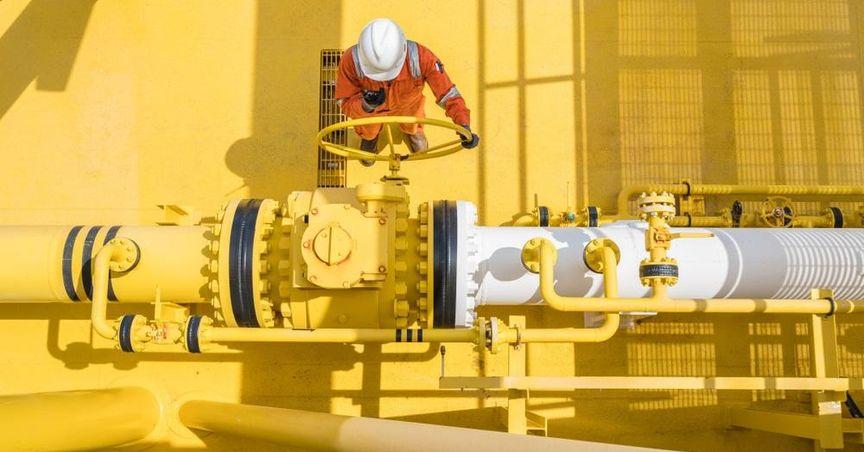
TotalEnergies (LSE:TTE) is broadly recognised as a multi-energy company whose operations can be described through several interconnected pillars. Upstream, which includes exploration and production, covers the discovery, development, and operation of oil and gas fields. The upstream portfolio typically involves a mix of mature assets and newer developments. Mature fields can provide steady output but may require greater focus on maintenance, integrity management, and well interventions to sustain production. Newer projects can involve major engineering work and multi-year development schedules, including offshore platforms, subsea infrastructure, pipelines, and processing facilities. In all cases, safety and reliability are core priorities, supported by process safety systems, asset integrity monitoring, and structured maintenance programmes.
Gas operations are closely linked to LNG for a global multi-energy group. LNG, or liquefied natural gas, makes it possible to transport gas across oceans from producing regions to consuming markets where pipeline access is limited or flexibility is needed. Integrated LNG activity commonly includes access to liquefaction capacity, shipping arrangements using LNG carriers, commercial contracting with buyers, and trading operations that can manage cargo placement and delivery schedules. Liquefaction converts gas into a compact liquid state for transport; shipping moves cargoes internationally; regasification terminals convert LNG back into gas for distribution into pipelines. Each stage is associated with infrastructure constraints and operational requirements. A shortfall in liquefaction availability, a vessel scheduling bottleneck, or limitations at receiving terminals can affect where and when volumes move.
Downstream operations often include refining, petrochemicals, and specialty chemicals, along with marketing and services. Refining converts crude oil into fuels and other products, including petrol, diesel, jet fuel, heating fuel, and various intermediate outputs used as feedstocks. Refinery operations are complex industrial processes that rely on stable throughput, strict safety systems, continuous monitoring, and planned maintenance. Chemicals businesses sit alongside refineries in many integrated groups because chemical feedstocks can be closely linked to refinery streams and broader hydrocarbon processing. Output in chemicals can be geared toward industrial demand, packaging, manufacturing inputs, and engineered applications, depending on product mix and customer base.
Marketing and services connects production and refining to end users through distribution networks, storage facilities, service stations, and direct supply to commercial customers. This segment is often the most visible to consumers where it includes retail petrol stations and convenience offerings, but it also includes fuels supplied to fleets, aviation, marine, and industrial customers. Logistics plays a prominent role: transporting fuels, managing inventory levels, and ensuring quality specifications are met. A company operating across regions also has to navigate local regulation, standards, tax structures, and market practices.
Power and renewables represent another pillar that has become more prominent for multi-energy groups. Electricity activity can include renewable generation such as solar and wind, flexible generation where relevant, energy storage, and electricity trading and supply. Electricity markets are shaped by grid rules, balancing needs, and regulatory frameworks that vary by country. Renewable projects involve development pipelines with their own rhythms, including site selection, permitting, supply chain procurement, construction, and grid connection. Once operational, assets must be managed for performance and maintenance. Where power is supplied to customers, the business can extend into retail or business supply, requiring customer service operations and billing systems, and participation in wholesale markets to manage supply-demand matching.
The integrated model means that the company’s business is not limited to a single commodity or a single customer base. It operates across households and industries, and across physical markets and financial markets through trading functions. Traders and commercial teams may manage flows of crude, refined products, LNG cargoes, and electricity. Trading operations can support optimisation, inventory management, and balancing, but they also require governance, compliance, and risk controls in a corporate context. The outcome is an organisation where diverse skills—engineering, shipping, commercial contracting, market trading, and retail operations—sit alongside each other.
Energy value chain realities: production reliability, shipping logistics, and refinery cycles
A defining feature of an integrated energy company is the operational rhythm of the energy value chain. Upstream production is often steady but requires constant attention to asset uptime. Offshore platforms and onshore fields operate within strict safety rules, and planned maintenance can include shutdowns, inspections, and equipment upgrades. Unplanned outages can occur due to mechanical issues, weather disruptions, or supply chain constraints for spare parts and specialist contractors. The ability to maintain stable output levels over time depends on maintenance planning, workforce capability, and the continuity of supplier support.
In LNG, logistics is paramount. LNG supply chains depend on coordinated schedules between liquefaction plants, LNG carriers, and regasification terminals. Liquefaction facilities require steady feedgas and careful management of refrigeration systems. LNG vessels have fixed cargo capacities and require scheduling for port entry and discharge. Receiving terminals must have storage availability and pipeline capacity downstream. When demand is stronger in one region, cargo flows can change, but physical constraints can limit the speed of re-routing. Commercial contracts can include destination flexibility or restrictions, and delivery windows can be structured within contract terms. The result is a complex operational puzzle where shipping availability, terminal economics, and customer demand intersect.
Refining introduces another set of cycles. Refineries often operate continuously, but they require periodic turnarounds. During a turnaround, units are shut down for inspections, repairs, and upgrades. Turnarounds are major events involving contractors, safety planning, and detailed scheduling. Refinery performance is influenced by crude slate selection, unit configuration, and product demand. Different refineries have different levels of complexity, which affects their ability to process heavier or sour crudes and to produce a particular product mix. Fuels demand can vary with seasonal patterns, such as variations in driving and travel activity, or regional heating fuel demand. The spread between crude input costs and product values changes over time and can influence how refineries optimise output.
Chemicals operations can be influenced by industrial production trends. Demand for chemical products can be tied to packaging, construction, and manufacturing. Supply-demand balances can shift based on capacity availability, import flows, and feedstock costs. Chemicals plants also require high reliability and planned maintenance. They often operate within clusters that integrate with refineries or with nearby industrial partners.
Marketing and services operations include day-to-day distribution. Products must meet specification, storage must be managed safely, and supply interruptions can have immediate impacts on customers. Retail networks require operational discipline around site operations, safety, and maintenance. In commercial supply, contracts may include specific delivery frequency and volume requirements. For many operators, this segment is also where customer-facing brand considerations arise.
Electricity and renewables add additional operational realities. Renewable generation is variable by nature, meaning output depends on wind and sunlight. Storage can help manage variability, but it involves its own operating rules and maintenance requirements. Electricity trading and balancing functions are important because power markets require continuous matching of supply and demand. Where the company supplies electricity to customers, it must manage procurement and hedging policies within the constraints of regulation and customer contracts.
Within UK market conversation, these operational realities often sit behind index-based framing. A large international energy group can be referenced in broad commentary that spans major benchmarks, but it is the practical execution—asset uptime, shipping, maintenance scheduling, and customer supply—that underpins the company’s day-to-day operations. For readers tracking sector themes across the FTSE universe, energy stories often offer a bridge between global commodity markets and domestic market narratives, including those framed through the FTSE all share.
TotalEnergies segment themes: hydrocarbons, LNG role, and customer-facing supply
TotalEnergies (LSE:TTE) is frequently described through its multi-energy scope, which can be discussed as a combination of hydrocarbons and lower-carbon activity. Hydrocarbons include crude oil and gas production and the downstream conversion of hydrocarbons into refined fuels and petrochemical products. LNG serves as a key link in gas markets, enabling international transportation and supporting security of supply for importing regions. Customer-facing supply includes fuels distribution and, in some markets, electricity supply.
Hydrocarbons remain a central part of the company’s operational identity. Upstream assets supply crude and gas, and downstream assets convert and distribute products. In practice, the company may sell crude into global markets, process some volumes through its own downstream network, and sell refined products through wholesale and retail channels. Having both upstream and downstream operations can allow internal balancing where appropriate, although much of the value chain still interacts with external markets and third-party customers.
LNG operations can include producing LNG, buying and selling cargoes, and managing shipping. LNG is also used in power generation and industrial use in many regions. The flexibility provided by LNG can be important where pipeline supply is limited or where seasonal demand swings require flexible imports. LNG contracting can include long-duration supply agreements and shorter-duration arrangements, reflecting different customer needs. Freight dynamics can matter, as shipping costs can influence delivered economics to particular markets.
Customer-facing supply in fuels is linked to transport and industrial usage. For consumers, this is visible through service stations and branded retail networks. For commercial customers, fuels supply can include fleet fuelling, aviation and marine supply, and industrial fuel delivery. Supply chains involve storage terminals, pipeline links where available, road hauling, and safety standards. Retail networks can also include ancillary services in some markets such as convenience offerings, which involve separate procurement and operations capabilities.
The power and renewables side is often described in terms of a multi-market portfolio, including generation assets and electricity supply in selected regions. Where renewables are involved, the portfolio can include solar farms, onshore wind, offshore wind interests, and associated development pipelines. Grid connection and permitting are major gating factors for renewables. Once operational, assets require ongoing maintenance and performance monitoring. Electricity supply operations require customer management and procurement capability in wholesale markets.
For readers following broader UK market references, discussion may sometimes include income themes and the category of FTSE dividend stocks in market content. While such themes can appear in index-based context, the operational story for an integrated energy group remains anchored in supply chain performance, capital discipline, regulatory compliance, and the ability to operate safely across complex assets.
In addition, multi-energy companies face ongoing expectations related to environmental management. This includes emissions management in upstream operations, efficiency in refining and chemicals, and the development of lower-carbon products and energy sources. Operational programmes can focus on flare reduction, methane management, energy efficiency, and the adoption of cleaner processes, all within the constraints of safety and reliability. As with all industrial groups, implementation depends on engineering choices, capital allocation across projects, and regulatory requirements that differ across countries.
Energy transition and power markets: renewables build-out, storage, and system integration
For multi-energy groups, energy transition activity increasingly includes renewables, electricity trading, and in some cases the development of low-carbon fuels. TotalEnergies (LSE:TTE) has been widely associated with activity in renewables and electricity, reflecting a broader industry shift toward having a power pillar alongside hydrocarbons. Renewable development often involves large project pipelines, with multiple stages: securing sites, obtaining permits, arranging grid connection, procuring equipment, and completing construction. Each stage has its own timelines and constraints. Permitting can be lengthy, grid interconnection can be constrained, and supply chains for turbines, panels, and cabling can be cyclical.
Once built, renewable assets require ongoing performance management. Solar output depends on sunlight and panel performance. Wind output depends on wind speeds and turbine availability. Maintenance planning is important, and availability metrics can influence realised output. Where the company participates in wholesale power markets, it may use trading operations to balance exposure, manage offtake arrangements, and align generation with customer supply obligations. Electricity markets also require compliance with local rules around licensing, balancing, and customer protections.
Energy storage has been increasingly linked to the integration of renewables. Storage can provide flexibility by charging when electricity is plentiful and discharging when demand is higher or when renewable output is lower. Storage projects involve their own assumptions about grid services and market design, and they require technical integration and safety management. For a multi-energy group, storage can complement renewables and trading by supporting balancing services and improving the stability of supply to customers.
Low-carbon fuels can include biofuels and other alternatives. Biofuels are often linked to supply chains for feedstocks and refining or processing capacity. Sustainability requirements can be important, including certification and traceability, depending on local rules. Other low-carbon initiatives, such as hydrogen projects, can involve industrial partnerships and infrastructure pilots, with adoption shaped by industrial needs and local policy frameworks. Implementation is typically incremental and tied to specific regional ecosystems.
The power market environment is also shaped by the broader evolution of grids. Grid constraints can influence where renewables can be connected. Demand patterns can be influenced by electrification trends in transport and heating. Policy can influence market design and the availability of long-term contracts for renewable generation. In many regions, corporate power purchase agreements have become part of the landscape, where large customers secure renewable electricity through long-duration arrangements, though the structure varies widely.
Within UK market framing, these energy transition themes can be referenced through indices and broad market categories, and they may appear in wider commentary across the FTSE landscape. Even where a company’s operations are global, UK readers often interpret energy transition updates through domestic lenses such as sector weighting, the role of major constituents, and general economic relevance. Index references like the FTSE all share are frequently used to provide that UK-market anchor for readers scanning sector coverage.
At the same time, it is the practical execution of projects—delivering generation assets, managing operational performance, integrating storage, and running electricity supply and trading functions—that defines how a power and renewables pillar operates in practice. These are operational businesses with physical assets, not abstract themes, and they require long-term planning, engineering capability, and careful compliance with market rules.
