
 AUS
AUS
 NZ
NZ
 UK
UK
 CA
CA
 USA
USA
 IND
IND





Highlights
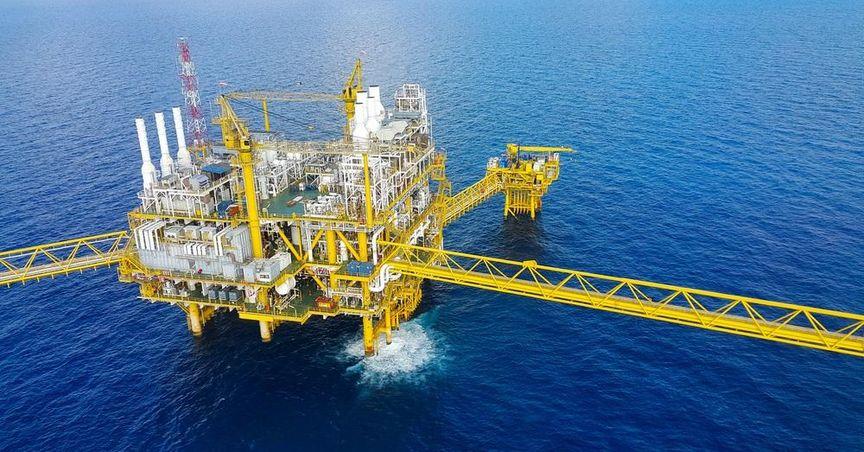
Seplat Energy (LSE:SEPL) operates in the energy sector, with upstream oil and gas activities supported by processing and transportation links.
Operational delivery commonly centres on field performance, production reliability, planned maintenance, and dependable routes to domestic and export customers.
Sector discussion often references delivered volumes, cost discipline, regulatory compliance, and stakeholder engagement frameworks.
Seplat Energy is an upstream oil and gas operator focused on reliable production, processing and evacuation routes, cost discipline, and compliance frameworks.
Seplat Energy (LSE:SEPL) sits in the energy sector with upstream oil and gas activity, and it is discussed in UK market context through the FTSE all share and the broader FTSE landscape. The Indexftse Ukx link is also widely used as a benchmark reference in UK equities coverage, even when a company is framed through the wider market universe. In an upstream energy business, operational outcomes are shaped by production reliability, planned maintenance, drilling and well work programmes, operational safety, and the ability to move hydrocarbons through processing and transportation routes to end markets.
Upstream oil and gas companies operate in a physically intensive environment. Field operations rely on equipment integrity, steady power supply for facilities, competent workforces, and structured maintenance. Production can vary due to planned shutdowns or unplanned outages, and operational priorities commonly include reducing downtime, maximising plant availability, and keeping operating costs under control. In addition, upstream businesses work under regulatory frameworks that govern licences, royalties, environmental obligations, and reporting. Where operations are located in areas with community sensitivities, stakeholder engagement and social investment programmes can be relevant to operational stability.
Seplat Energy is associated with producing assets and infrastructure-adjacent capabilities. In many upstream business models, the ability to process and transport production can matter as much as reservoir performance. Gas production, for example, often requires access to processing plants and pipeline infrastructure to deliver to power generators and industrial users. Liquids production can rely on dependable evacuation and terminal arrangements. The interplay between upstream production and midstream logistics can therefore shape how production volumes translate into actual delivered sales.
Within the broader UK market sitemap, energy stocks can be explored using navigation such as FTSE. Market browsing sometimes includes income-oriented routes like FTSE dividend stocks, although distribution policy remains company-specific and separate from an operational description. The focus here remains on operational realities: safe production, reliable processing, efficient logistics, and strong governance.
Operational footprint: producing assets, processing links, and production reliability
A central feature of an upstream company is the performance of its producing assets. Production reliability depends on reservoir behaviour and surface facility performance. Reservoir performance relates to how wells flow over time, pressure management, and whether interventions are required to sustain output. Surface facilities include processing equipment that separates oil, gas, and water, handles stabilisation and storage, and manages compression and dehydration for gas. Reliability at the surface facility level can be influenced by maintenance quality, spare parts availability, and the scheduling of planned outages.
Upstream operations typically involve routine well maintenance and periodic interventions. Wells can require workovers, recompletions, and artificial lift optimisation to maintain performance. Drilling programmes may be used to develop additional sections of a field or bring new wells online. These activities require rig availability, skilled crews, and careful safety management. They also require coordination with facility constraints and production schedules, as drilling and intervention work can affect throughput and processing capacity.
In a business with meaningful gas exposure, processing and logistics are essential. Gas must often be processed to meet pipeline specifications. Compression can be needed to move gas into transmission systems. Processing plants must meet safety and environmental standards, and their uptime can influence how much gas can be delivered to customers. Domestic gas supply can be linked to contracted arrangements with power generators and industrial users, where delivery reliability and operational continuity are important.
Liquids production follows a different chain. Stabilised crude requires storage and dependable evacuation routes, including terminal access where exports are relevant. Pipeline availability, integrity, and security can influence evacuation reliability. Where alternative routes exist, operational flexibility can be improved, but this depends on infrastructure arrangements and agreements. In some contexts, production can be constrained by takeaway limitations rather than reservoir capacity, making logistics and midstream co-ordination a key operational priority.
Operational safety and environmental management sit at the centre of upstream work. Facilities handle hydrocarbons under pressure, requiring strong process safety systems, incident response capability, and continuous training. Environmental obligations can include emissions control, spill prevention, produced water management, and regulatory reporting. Methane management and flaring reduction initiatives are also increasingly part of upstream operational programmes, influenced by both regulation and stakeholder expectations.
For UK readers, sector coverage may be framed using index navigation such as the FTSE all share and broader exploration via FTSE. These links are navigational, while the core operational reality remains the discipline of producing, processing, and delivering hydrocarbons safely and reliably.
Revenue drivers and cost discipline: delivered volumes, operating costs, and working capital
Upstream energy businesses generate revenue through sales of oil and gas volumes delivered to customers. The key operational variable is delivered volume, reflecting production, processing capacity, and evacuation reliability. Commodity benchmarks influence realised values, but operational delivery remains fundamental: production must be processed and transported to become sales. For gas-heavy operations, customer offtake arrangements can include contracted deliveries that depend on customer demand and infrastructure availability, while liquids sales can depend on export scheduling and evacuation routes.
Operating costs include field operating expenses, maintenance, logistics, and support services. Drilling and well work add project spending, as do facility upgrades and integrity work. These investments are necessary for safe and reliable operations. Supply chain management plays a large role, including procurement of chemicals, spare parts, logistics services, and specialist contractors. Cost discipline in upstream is typically pursued alongside safety and integrity, ensuring maintenance and compliance needs remain adequately resourced.
Working capital is influenced by the timing of cash receipts, payment terms, and operating expenditure. Oil and gas businesses can have significant service contracts and supply chain costs. Different customer types can have different payment patterns, requiring treasury oversight. Where domestic and export sales coexist, collection timing can vary, making cash management an ongoing operational discipline.
Fiscal frameworks shape net receipts, with royalties and taxation structures varying by jurisdiction. Compliance involves reporting and audits as well as payment schedules. Joint venture arrangements can also influence cash flows, as partners share costs and receipts under governance frameworks. Joint venture governance can shape budgeting, work programme approvals, and procurement decisions, influencing the pace of development activity and the timing of major projects.
UK market navigation may link readers towards broad categories such as FTSE and the wider universe via the FTSE all share. These links provide a framework for exploration, while the factual operational picture remains based on delivered volumes, cost control, and disciplined cash management.
Balance sheet approach in upstream energy: funding, debt, and capital allocation choices
Upstream development requires ongoing capital expenditure for drilling, facilities, processing, and transportation linkages. Funding decisions typically involve balancing internal cash generation with external funding sources, depending on market access and lender terms. Debt facilities can be used for development and refinancing, and covenants can set requirements on liquidity and leverage measures. Treasury oversight ensures obligations are met and that liquidity buffers are maintained to support operational continuity and project execution.
Capital allocation decisions include reinvestment into existing fields and infrastructure. Producing assets often require integrity programmes, debottlenecking projects, compression upgrades for gas, and facility maintenance. These activities are typically planned through structured work programmes that align with operational priorities and governance approvals. Project execution requires contractor management, procurement discipline, and safe work practices, with delivery monitored through reporting and oversight structures.
Currency management can be relevant where revenue and costs occur in different currencies. Treasury teams manage exposures and ensure that operational needs such as imports of equipment and specialist services are supported. Working capital and capex timing interact with liquidity planning, particularly where supply chain costs are front-loaded and receipts arrive later.
The wider UK market includes income-themed exploration through links such as FTSE dividend stocks. However, distributions are shaped by board policy and available cash after operational and financing needs, and they remain separate from describing how upstream assets operate and how infrastructure constraints influence delivery.
Regulatory and stakeholder dynamics: licences, sustainability programmes, and community engagement
Upstream operations function within licensing frameworks that define field interests, work obligations, and compliance requirements. Regulators set environmental and safety standards and can require ongoing reporting and inspections. Compliance is continuous and requires documentation, training, and operational controls. For companies operating in multiple communities and regions, stakeholder engagement can support stability, including local employment initiatives, local procurement, and community programmes that address priorities and grievances.
Sustainability programmes in upstream can include emissions reduction efforts, flaring reduction initiatives, methane leak detection and repair, energy efficiency measures, and environmental monitoring. Produced water management and spill prevention are essential. These programmes require investment and operational discipline and can be increasingly visible in stakeholder communications and governance priorities.
Infrastructure integrity and security can also matter, particularly for evacuation routes such as pipelines and export links. Integrity management programmes involve inspections, maintenance, and incident response preparedness. Reliability of logistics and takeaway capacity can influence delivered volumes. Where constraints exist, operational teams may work on planning, alternative routing where available, and coordination with partners and operators.
UK readers may see these themes in the context of broader market navigation through FTSE and index guides such as the FTSE all share. This index framing provides a UK-market anchor, while the operational reality remains defined by safe production, reliable processing, and effective stakeholder and regulatory management.
