
 AUS
AUS
 NZ
NZ
 UK
UK
 CA
CA
 USA
USA
 IND
IND





Highlights
First LNG cargo loaded from the Greater Tortue Ahmeyim project marks a new chapter in offshore gas production
Collaborative efforts with BP, SMHPM, and PETROSEN underpinned safe start‑up and cargo transfer operations
Facilities designed for seamless expansion will support increased exports from Mauritania and Senegal
The global energy sector, particularly in liquefied natural gas (LNG), has experienced rapid transformation as companies develop offshore projects to meet growing demand for cleaner fuel alternatives. Offshore LNG ventures combine advanced engineering with multi‑party partnerships to bring gas from discovery to international markets.
First Gas to LNG Export
Kosmos Energy Ltd (LSE:KOS) reached a key milestone when first gas was achieved at the Greater Tortue Ahmeyim field, straddling Mauritanian and Senegalese waters. This achievement set the stage for February’s initiation of LNG production. The conversion of natural gas to export‑grade LNG required precise coordination of offshore gathering systems, subsea pipelines, and floating liquefaction facilities.
First LNG Cargo Shipment
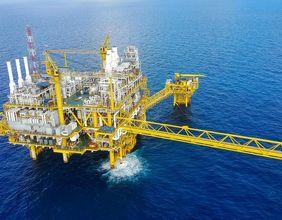
A pivotal moment unfolded when the first LNG cargo was transferred from the Golar LNG floating production vessel to the "British Sponsor" LNG carrier nearly ten kilometers offshore. This cargo loading demonstrates operational readiness of the liquefaction train and related support infrastructure. The successful transfer cements the project’s ability to deliver gas into global supply chains.
Collaborative Framework
The GTA venture operates through a joint venture structure that includes Kosmos Energy Ltd, BP, Société Mauritanienne des Hydrocarbures et de Patrimoine Minier (SMHPM), and PETROSEN. Each partner brought expertise in exploration, production, and local regulatory navigation. Shared responsibilities covered drilling, platform installation, marine logistics, and on‑site operations, ensuring alignment on safety and efficiency standards.
Infrastructure Development and Future Capacity
Engineers designed the initial phase of the offshore production facility with modular expansion in mind. Key infrastructure—such as the liquefaction vessel’s cooling train and storage capacity—was sized to allow additional production trains or enhanced processing modules. This forward‑looking approach enables a streamlined ramp‑up of output without extensive new construction.
Regional Economic Impact
Entry of the GTA project into the LNG market marks Mauritania and Senegal’s emergence as exporters of clean energy. Revenue streams from LNG sales support local budgets, while supply chain activities spur job creation across coastal communities. Infrastructure investments, including port upgrades and onshore processing terminals, create ancillary benefits for other industries.
The first cargo lifting from the Greater Tortue Ahmeyim project underscores the critical role of strategic partnerships, robust infrastructure design, and precise operational planning in transforming offshore gas resources into globally traded LNG.
