
 AUS
AUS
 NZ
NZ
 UK
UK
 CA
CA
 USA
USA
 IND
IND





Highlights
Harbour Energy plc (LSE:HBR) operates within the energy and hydrocarbon sector and forms part of the FTSE 350.
Its activity spans offshore extraction, onshore operations, refining partnerships and industrial energy distribution.
The company maintains global exploration interests, supply-chain systems, digital infrastructure and sustainability-led initiatives.
A comprehensive exploration of Harbour Energy plc (LSE:HBR), covering exploration activity, offshore operations, production systems, sustainability programmes and its placement within the FTSE 350.
Harbour Energy plc (LSE:HBR) operates within the global energy and hydrocarbon sector, focusing on exploration, production, operational engineering, offshore and onshore project development, industrial distribution and energy-resource management. As a constituent of the FTSE 350, the company sits within a major component of the UK financial markets that includes mid-sized and large-cap entities across multiple industries. Its operations contribute to the broader FTSE environment, where energy producers remain central to industrial activity, fuel continuity and national energy stability.
The company engages with regional and international partners to extract hydrocarbons, manage production flows, optimise offshore infrastructure and refine long-term operational assets. Its portfolio spans fields located in the North Sea and additional asset zones across global regions. Exploration and production teams coordinate across geoscience, subsea engineering, pipeline management, drilling programmes and environmental monitoring.
Harbour Energy’s business model integrates strategic development, infrastructure investment, multi-disciplinary engineering expertise and an emphasis on operational efficiency. The organisation works alongside governments, industrial clients, transportation networks, refining partners and sector regulators to maintain activity across energy supply chains.
Upstream Exploration, Offshore Activity and Resource Management
Harbour Energy plc (LSE:HBR) undertakes extensive upstream activity, focusing on identifying hydrocarbon resources, appraising fields, drilling wells, installing subsea infrastructure and managing offshore production systems. Geoscience teams conduct subsurface mapping, seismic interpretation, reservoir modelling and geological assessments to evaluate potential resource areas.
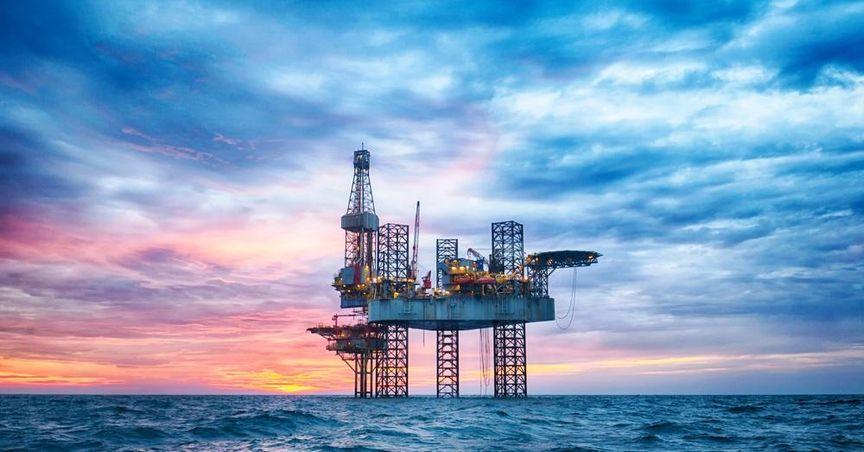
Offshore operations include:
-
drilling units positioned above exploration targets
-
subsea wellheads connected through manifolds and pipelines
-
production risers supporting fluid movement
-
floating production vessels and platforms
-
support vessels, helicopters and safety craft
-
maintenance operations for subsea equipment
Operational teams monitor well conditions, reservoir pressure, flow integrity, equipment stability, subsea temperatures and structural performance. Integrated monitoring systems gather data across wells, platforms and risers, enabling engineering teams to oversee field behaviour and ensure safe operations.
Field-development planning includes determining well locations, production sequences, drill-rig mobilisation schedules, pipeline routes, subsea-equipment specifications, processing facilities and export arrangements. This activity requires coordination with regulators, environmental bodies, commercial partners and engineering contractors.
Environmental-impact assessments consider marine ecosystems, emissions control, noise management, water discharge and wildlife-protection protocols. Offshore teams follow strict safety frameworks that incorporate hazard identification, emergency procedures, equipment certification, safety training and compliance regulations.
Harbour Energy’s activity aligns with broader market references associated with companies included in the FTSE all share category, reflecting its visibility within the wider UK market.
Onshore operations support equipment storage, pipeline monitoring, supply-chain coordination, maintenance workshops and field-support facilities. These onshore units function as operational hubs for offshore personnel and logistics networks.
Midstream Systems, Energy Transportation and Industrial Distribution
Harbour Energy plc (LSE:HBR) participates in midstream operations that involve transporting, processing and distributing energy resources across industrial networks. Once hydrocarbons are extracted, they travel through pipelines, risers and compression systems to processing facilities located offshore or onshore.
Midstream infrastructure includes:
-
condensate stabilisation units
-
gas-processing facilities
-
compression stations
-
product storage hubs
-
transmission pipelines
-
export terminals
Gas and liquids may be transported through shared pipeline systems operated jointly with other producers. These networks require constant pressure regulation, corrosion monitoring, leak-prevention systems, inline-inspection tools and remote-control systems that manage pipeline valves and flow rates.
Transportation teams coordinate with shipping partners to move crude and condensates from export points to refineries. Tanker logistics involve scheduling vessels, tracking routes, coordinating port access, monitoring cargo conditions, and aligning with maritime regulations.
Industrial distribution systems deliver finished energy products to refineries, storage depots and commercial clients. These operations support fuel production processes, petrochemical manufacturing, power generation and industrial heating.
The company’s operational structure aligns with mature organisations frequently referenced within FTSE dividend stocks discussions due to its established activity within the energy industry.
Supply-chain management teams oversee:
-
material procurement
-
chemical sourcing
-
equipment rentals
-
rig-component delivery
-
offshore vessel contracting
-
logistics-partner coordination
These functions ensure operational continuity across all phases of exploration and production.
Global Energy Conditions, Market Dynamics and Sector Influences
Harbour Energy plc (LSE:HBR) operates in a global environment shaped by resource demand, industrial consumption, geopolitical factors, weather patterns, regulatory frameworks and sector-specific technological advancements. Energy markets depend on the availability of hydrocarbons, industrial needs, regional energy demands and commercial supply chains.
Demand patterns associated with domestic heating, manufacturing activity, transport requirements, petrochemical production and power-generation cycles influence resource extraction volumes across global regions.
Production levels may also be influenced by seasonal conditions, extreme weather events, supply-chain disruptions, international regulatory changes, environmental frameworks and technological innovation in drilling and energy-efficiency methods.
The energy sector remains sensitive to:
-
refining capacity
-
shipping availability
-
gas-storage conditions
-
pipeline maintenance cycles
-
industrial energy consumption
-
emissions compliance standards
Harbour Energy’s involvement across these areas demonstrates the scale of coordination required within hydrocarbon systems.
Geopolitical influences may contribute to shifts in production routes, export conditions, refining partnerships, maritime transport patterns and sector-wide regulatory considerations. Energy producers often adjust operational planning to accommodate environmental and political developments.
The organisation’s sector relevance is often referenced within broader discussions linked to Indexftse Ukx as a keyword context because of its association with major UK-linked energy activity, even when the company sits within the FTSE 350.
Environmental considerations are a core component of modern energy strategy. These considerations encourage producers to invest in carbon-reduction projects, environmental-impact mitigation programmes, renewable-energy integration and low-emission technologies.
Harbour Energy participates in environmental frameworks designed to reduce operational impact, manage emissions and align with broader sustainability objectives.
Strategic Direction, Sustainability Programmes and Energy Evolution
Harbour Energy plc (LSE:HBR) maintains a strategic direction focused on operational optimisation, technological advancement, resource efficiency and sustainability initiatives. The company applies digital transformation to enhance field performance, asset management, operational oversight and long-term planning.
Digital tools used by the organisation include:
-
predictive-maintenance models
-
real-time well-monitoring dashboards
-
reservoir-simulation tools
-
automated data-integration systems
-
remote-operation platforms
-
drilling-optimisation technology
These tools support engineering precision and operational efficiency across offshore and onshore assets.
Sustainability frameworks within Harbour Energy include carbon-capture initiatives, methane-management systems, emissions-measurement programmes, renewable-integration opportunities and biodiversity-protection measures. These frameworks aim to align the organisation with industry-wide decarbonisation objectives.
The company collaborates with industry bodies, universities, research institutions and environmental organisations to advance new technologies, improve geological assessment methods and refine low-carbon development pathways.
Strategic asset management includes infrastructure upgrades, production-efficiency enhancements, well-intervention programmes, platform-maintenance schedules and reservoir-evaluation cycles. Operational teams coordinate across multi-disciplinary fields to ensure asset stability, reliability and safety.
Harbour Energy remains relevant within broader market narratives connected with FTSE representations due to its operational scale and influence in the energy industry.
Its strategic priorities include:
-
expanding high-value operational zones
-
refining reservoir-management processes
-
supporting regional energy stability
-
investing in responsible production systems
-
strengthening long-term sustainability credentials
Across its operations, the company continues to explore advancements in drilling technology, energy-efficiency methods, emissions-reduction strategies and infrastructure resilience.
