
 AUS
AUS
 NZ
NZ
 UK
UK
 CA
CA
 USA
USA
 IND
IND

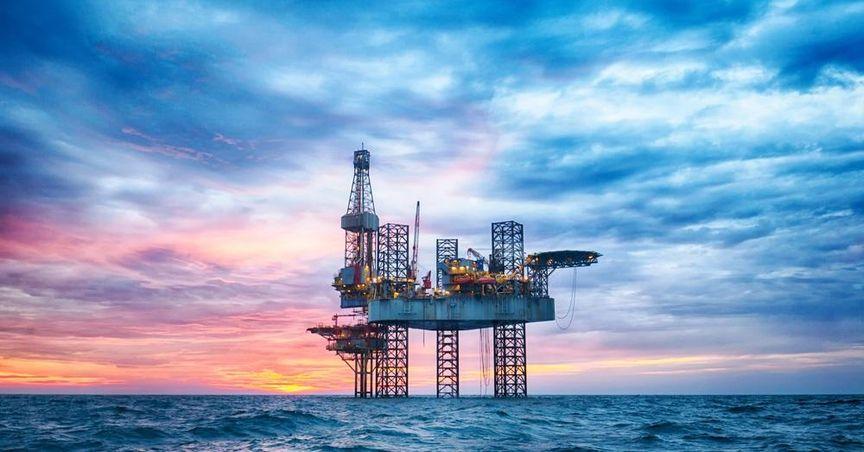




Highlights
Hunting PLC operates within the energy-equipment and engineering-services sector and is included in the FTSE 350 index.
Trading activity involved movement above a technical measure during broader industry updates.
The company maintains global operations across precision-manufactured components, energy tools, and engineering support.
Hunting PLC’s engineering operations, global manufacturing activity, sector influences and position within the FTSE 350 energy-equipment landscape.
The energy-equipment sector encompasses engineering firms that manufacture technology, tools, components, and service systems required for hydrocarbon extraction, drilling operations, subsea development, well completion and energy-infrastructure activity. Companies within this sector support traditional and transitional energy markets through advanced machining, metallurgical expertise, product innovation and field-service networks. Hunting PLC forms part of the FTSE 350 and operates across this industrial landscape. As part of the broader UK market, its operational presence aligns with the context provided through benchmark references such as FTSE, categories reflected through FTSE All Share, the blue-chip environment represented by Indexftse UKX and the income-focused considerations associated with FTSE dividend stocks.
Hunting PLC (LSE:HTG) operates through a global network of manufacturing facilities, engineering hubs and distribution centres supplying tools and technology to the energy industry.
Engineering Capabilities, Manufacturing Strength and Global Operations
Hunting PLC’s operational foundation rests on its engineering expertise, precision manufacturing and technical innovation across a wide portfolio of energy-equipment products. Its activities support drilling operations, onshore and offshore projects, subsea installations and completion systems across international energy markets.
The company produces tubular goods, perforating systems, titanium components, advanced connectors and specialised tools utilised across hydrocarbon extraction cycles. These components are manufactured to stringent specifications through industrial processes integrating metallurgy, precision machining, heat treatment, corrosion-resistant engineering and material-performance analysis.
Manufacturing facilities are equipped with:
-
high-tolerance machining centres
-
automated processing equipment
-
non-destructive testing environments
-
metallurgical laboratories
-
assembly lines for complex tool systems
-
calibration stations
-
quality-verification units
These operations ensure that finished components meet the demanding standards required for high-pressure, high-temperature and corrosive environments found in energy-production settings.
The company’s global footprint includes hubs located near major energy basins, enabling strong proximity to customers. These hubs support:
-
machining and manufacturing
-
maintenance services
-
tool assembly and testing
-
warehousing of equipment
-
distribution logistics
-
customer-support operations
-
regional compliance requirements
By maintaining an international network, the organisation supports operators working across offshore deep-water projects, onshore drilling fields, shale basins, and emerging transitional-energy markets requiring specialised engineering expertise.
Corporate Activity, Market Conditions and Sector Visibility
Recent trading activity surrounding Hunting PLC featured movement above a commonly followed technical indicator during a session shaped by broader sentiment across energy-related markets. While technical measures vary in relevance within the industrial sector, they often reflect shifting market attention influenced by operational updates, commodity trends, global economic factors and announcements from related industry groups.
Energy-equipment companies operate within dynamic environments shaped by:
-
fluctuations in drilling activity
-
changes in global exploration budgets
-
regional project start-ups
-
supply-chain conditions
-
raw-material availability
-
regulatory considerations
-
geopolitical events that influence hydrocarbon markets
Corporate updates, contract announcements, product launches, engineering achievements and facility expansions often contribute to shifts in market awareness. Hunting PLC participates in an industry where performance visibility is influenced by the operational cycles of major energy producers and service providers.
As a listed company, Hunting PLC adheres to disclosure obligations requiring accurate reporting of operational developments, periodic results, governance updates and regulatory statements. These requirements ensure transparency and alignment with market rules governing publicly traded firms.
Corporate governance includes oversight by a board responsible for strategic planning, financial supervision, operational policy approval, risk assessment and compliance monitoring. The governance structure supports integrity across global operations, ensuring consistent standards regardless of regional variation in regulatory frameworks.
Sector visibility is also shaped by the company’s involvement in exhibitions, conferences, partnerships and industry collaborations that present new technologies, manufacturing advancements and engineering solutions.
Sector Dynamics, Industry Influences and Energy-Market Framework
The energy-equipment sector experiences ongoing evolution shaped by global demand for hydrocarbon products, transitional energy strategies, technology adoption and environmental expectations. Hunting PLC operates at the intersection of traditional energy infrastructure and emerging engineering requirements arising from new market conditions.
Key themes influencing the sector include:
-
increased interest in digital oilfield technologies
-
adoption of material innovations
-
expansion of drilling efficiency programmes
-
heightened focus on environmental compliance
-
diversification of energy portfolios
-
engineering solutions required for transitional energy markets
The oilfield-services environment is affected by:
-
offshore-project cycles
-
capital-expenditure planning among operators
-
political and economic events influencing global energy consumption
-
supply-chain constraints affecting steel, titanium and alloy production
-
technological improvements in drilling and completion systems
Manufacturers must adapt to evolving demand patterns, offering products suitable for unconventional reservoirs, deep-water extraction environments, enhanced completion techniques and automated field-operations systems. Companies with strong engineering capacity, such as Hunting PLC, maintain relevance through technological modernisation and quality-driven manufacturing processes.
The transition toward cleaner and more efficient energy operations has led to increased demand for specialised materials, precision components and engineering innovations. While traditional oil and gas operations remain core markets, suppliers increasingly integrate solutions suited to emerging sectors such as carbon-storage systems, geothermal projects and renewable-energy infrastructure requiring advanced metalwork and engineered components.
Workforce considerations also influence sector performance. Engineering companies require highly skilled machinists, technicians, metallurgists, quality inspectors and mechanical engineers. Training programmes, safety compliance, workforce retention, and operational knowledge-sharing are central to maintaining engineering integrity across global sites.
International logistics influence manufacturing operations. Energy-equipment components must be transported efficiently across continents, often requiring specialised packing, air-freight arrangements, port coordination and compliance with hazardous-material guidelines. Companies operating globally must also navigate customs frameworks, cross-border standards and region-specific safety expectations.
Operational Strategy, Engineering Innovation and Technical Development
Hunting PLC maintains an operational strategy focused on engineering precision, technological development, efficient manufacturing flow, and support for customer operations across diverse energy markets. The company’s strategy includes investments in equipment modernisation, research into advanced materials, and continuous improvement of manufacturing processes.
Engineering Innovation
Innovation remains central to the company’s identity. Engineering teams work on:
-
strengthening material performance
-
enhancing corrosion resistance
-
improving pressure-containment systems
-
advancing perforating technologies
-
developing tool systems for enhanced well productivity
-
increasing efficiency of machining centres
-
modelling tool performance under extreme conditions
-
adopting new alloy mixtures for durability
Research laboratories analyse metallurgical structures, heat-treatment outcomes, and mechanical-stress responses to optimise the reliability of components used in high-stress drilling and completion environments.
Manufacturing Strategy
Manufacturing strategy is built around:
-
precision machining
-
workflow optimisation
-
non-destructive testing
-
standardised production procedures
-
digital performance monitoring
-
ergonomic site layouts
-
quality-assurance protocols
-
energy-efficient operations
Facilities employ advanced systems such as robotics, automated assembly lines, digital quality-check tools and software-driven machining pathways. These systems enable consistent production output while minimising errors and reducing resource consumption.
Customer Support and Service Networks
Customer support plays a crucial role in extending the lifecycle of Hunting PLC’s products. Field teams assist with installation, maintenance, troubleshooting and equipment upgrades. Technical advisors coordinate with operators to ensure optimal deployment of specialised tools within drilling and completion programmes.
Service networks commonly include:
-
regional technical centres
-
repair and refurbishment hubs
-
inventory-management systems
-
rapid-delivery logistics solutions
-
collaborative field-engineering interfaces
Sustainability and Environmental Standards
Environmental expectations continue to reshape the energy-equipment landscape. Hunting PLC integrates sustainability principles across operations through:
-
reduced-waste manufacturing
-
responsible metal sourcing
-
efficient energy use
-
emissions-management programmes
-
compliance with environmental regulation
-
investment in material innovation to reduce environmental impact
This approach aligns with broader industry trends prioritising responsible resource usage, reduced operational footprint, and high-quality environmental performance.
Digital Transformation
Digital transformation supports manufacturing efficiency and operational resilience. Technology adoption includes:
-
real-time production monitoring
-
digital quality-assurance processes
-
automated inventory controls
-
interconnected machining systems
-
simulation tools for engineering design
Digitalisation assists with predictive maintenance, enhanced traceability, cycle-time improvements and streamlined reporting processes. These elements help strengthen the company’s operational profile while supporting its position within the global energy supply chain.
