
 AUS
AUS
 NZ
NZ
 UK
UK
 CA
CA
 USA
USA
 IND
IND





Highlights
Harbour Energy boosts operations through Wintershall Dea asset integration
Notable growth in free cash flow reported in the first half
Strategic focus remains on production stability and cost discipline
Harbour Energy PLC operates within the upstream oil and gas sector, which plays a critical role in the UK’s broader energy landscape. This segment is shaped by market fluctuations, energy security considerations, and evolving environmental expectations. Companies in this space, including Harbour Energy, align their operations with resource efficiency, capital control, and portfolio optimization. The performance of key players contributes to broader trends observed across the ftse 100 futures benchmark, where operational resilience is a defining feature.
Operational Update and Strategic Integration
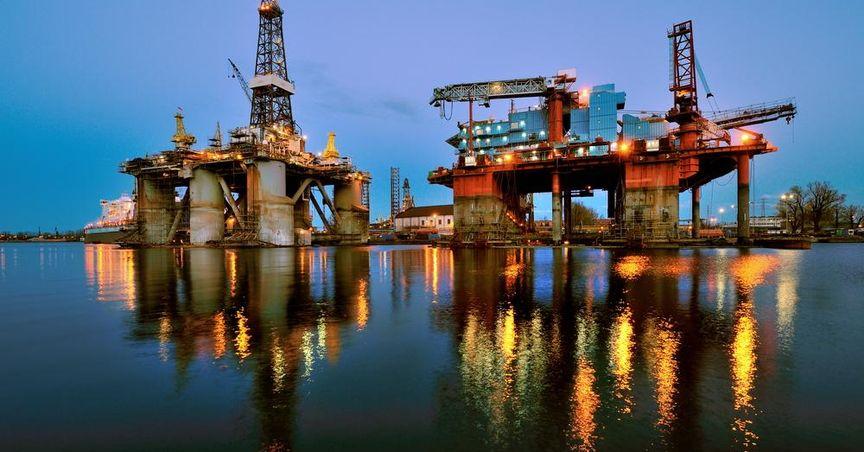
During the first half of the calendar year, Harbour Energy (LSE:HBR) reported increased production levels, supported by the integration of the Wintershall Dea asset portfolio. The transition has enhanced the scale of operations and provided access to a more diverse set of resource fields. These additional assets have contributed to a smoother supply flow, with performance aligned to field optimization efforts.
This integration reflects Harbour’s ongoing approach to reinforcing long-term asset strength and field productivity. Operational adjustments following the acquisition have been concentrated on capacity utilization and reliability across core upstream assets.
Liquidity Trends and Capital Flow
Harbour’s financial update highlighted a significant uplift in free cash flow compared to the previous reporting period. This improvement reflects an emphasis on margin control, operating efficiency, and disciplined capital deployment. The internal framework prioritizes allocation toward high-grade assets while maintaining fiscal responsibility.
Leadership has focused on initiatives to enhance structural efficiencies, reduce overheads, and strengthen cost baselines. These measures have supported more predictable liquidity outcomes and improved operational headroom in navigating commodity market dynamics.
Production Metrics and Field Composition
Production output was driven by contributions from both longstanding and newly added assets. The scale of operations facilitated balanced volume output and smoother logistics across Harbour’s key project sites. A diversified asset portfolio enabled the firm to manage performance stability in the face of evolving energy market demands.
By leveraging its integrated resources, Harbour maintained robust production activity. This result aligns with practices observed across other entities in the ftse 100 futures category, where consistent field performance supports broader corporate resilience.
Operational Direction for Remainder of Year
Guidance has been issued for full-year production, offering a range that signals continuity in operational focus. This range encompasses ongoing output efforts across the integrated portfolio and reflects Harbour’s emphasis on stability rather than growth acceleration. Measures continue to focus on asset performance, expenditure tracking, and workflow optimization.
The company remains positioned to manage upstream dynamics through the remainder of the year while retaining flexibility in its resource deployment approach. The strategy aims to support sustained activity across key geographies and project types.
Frequently Asked Questions
- What is the primary focus of Harbour Energy’s operations?
Harbour Energy engages in oil and gas exploration and production within the upstream energy sector. - What supported the company’s production increase this year?
The integration of Wintershall Dea assets expanded production capacity and strengthened operational scale. - Where is Harbour Energy traded?
Harbour Energy is listed on the London Stock Exchange under the ticker (LSE:HBR).
