
 AUS
AUS
 NZ
NZ
 UK
UK
 CA
CA
 USA
USA
 IND
IND





Highlights
Energy sector activity reflects global trading dynamics and operational scale.
BP plc demonstrates performance aligned with international energy markets.
FTSE 100 and FTSE 350 capture sector-wide participation and corporate activity.
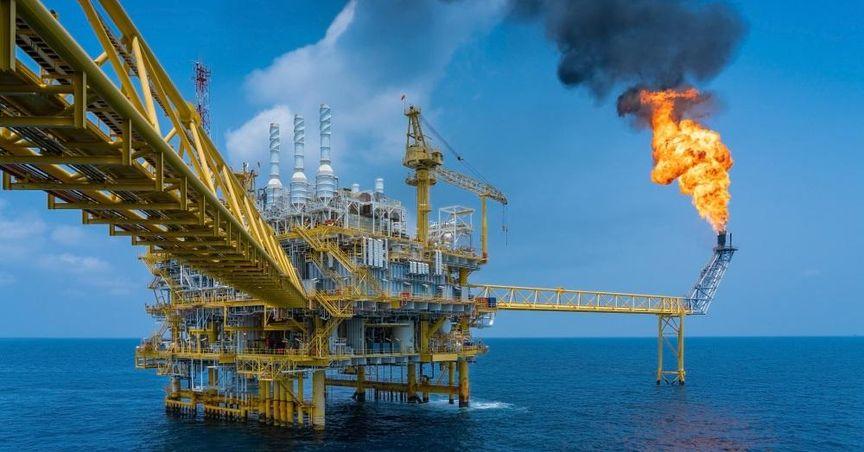
UK energy stocks reflect global trading activity and integrated operations, with BP contributing to sector participation within the FTSE 100 and FTSE 350.
The energy sector remains a central component of the United Kingdom’s equity landscape, encompassing exploration, production, refining, and trading operations that support global supply chains. Within this environment, companies such as BP plc (LSE:BP) operate across integrated energy systems that connect upstream and downstream activities. These firms are prominently represented within the FTSE 100 and the FTSE 350, where large-scale energy companies contribute to overall market participation. The sector reflects a combination of operational scale, global market exposure, and structured corporate activity that shapes its role in the broader equity market.
BP plc (LSE:BP.) operates within a framework that integrates production, refining, and trading activities across international markets. Its participation reflects the role of major energy firms in shaping sector-wide movement through coordinated operations and global engagement.
Energy Trading and Market Activity
Energy trading forms a key component of operations within the sector, linking production output with global demand through structured transactions. Companies engaged in trading activities manage flows of crude oil, refined products, and related commodities across international markets.
BP maintains a trading framework that connects production systems with market distribution channels. This framework enables coordination between supply conditions and global consumption patterns, supporting operational continuity.
Trading activity within the energy sector reflects broader global developments, including geopolitical dynamics and supply chain conditions. Companies operating within this environment align their trading systems with market structures that support efficiency and stability.
The presence of energy firms within the FTSE highlights their influence on overall market activity, particularly when global developments shape trading conditions.
Integrated Operations Across the Energy Value Chain
Energy companies operate across integrated systems that include exploration, extraction, refining, and distribution. These interconnected processes support the movement of energy resources from production sites to end-users.
BP’s operations illustrate how integrated systems function within the energy sector. Upstream activities focus on resource extraction, while downstream operations involve refining and distribution across global markets.
This integration enables companies to maintain continuity across multiple stages of the energy value chain. It also reflects how operational coordination contributes to the stability of supply systems within the sector. The role of large-cap companies within the Indexftse Ukx demonstrates how integrated operations contribute to broader market performance.
Global Market Influence and Sector Dynamics
Energy markets are influenced by global developments that shape supply, demand, and trading conditions. These developments affect how companies structure their operations and engage with international markets.
BP’s global presence reflects its participation in multiple regions, where operations align with regional supply conditions and market frameworks. This international engagement highlights the interconnected nature of energy markets.
Sector dynamics often reflect changes in global conditions, including geopolitical developments and economic activity. Energy companies respond to these conditions through operational adjustments and strategic alignment. The broader FTSE all share framework captures how energy firms interact with other sectors, contributing to overall market diversity.
Corporate Activity and Operational Frameworks
Corporate activity within the energy sector reflects structured approaches to managing operations, governance, and financial systems. Companies maintain frameworks that support efficiency, compliance, and long-term operational continuity.
BP’s corporate structure includes systems that coordinate exploration, production, and trading activities. These systems enable alignment between operational objectives and broader market conditions.
Energy firms also engage in technological advancements and infrastructure development to support operational efficiency. These activities contribute to maintaining consistent output across global markets.
The presence of energy companies within the FTSE dividend stocks segment reflects their role in maintaining structured financial frameworks alongside operational activity.
Sector Participation and Market Structure
The UK equity market reflects a diversified structure where energy companies operate alongside financial services, industrials, and consumer sectors. This diversity supports balanced participation across industries.
Energy firms contribute to market activity through their involvement in global supply chains and infrastructure systems. Their operations extend across multiple regions, reflecting the international nature of the sector.
The integration of energy companies within the broader market highlights their role in supporting economic activity through resource production and distribution. Their participation reflects the importance of energy systems within the overall economy. Within the FTSE ecosystem, energy companies remain key contributors to market activity, reflecting their influence across sectors and global markets.
