
 AUS
AUS
 NZ
NZ
 UK
UK
 CA
CA
 USA
USA
 IND
IND





Highlights
European equities reflect mixed sentiment amid energy market developments.
Oil-related movements influence sector participation across markets.
FTSE indices capture activity across financial, energy, and industrial sectors.
European markets reflect sector activity across energy, financial, and industrial segments within FTSE indices, shaped by geopolitical developments and global supply conditions.
The European equity market includes key sectors such as energy, financial services, industrial production, and consumer-facing industries, all contributing to overall market participation. Within this framework, the FTSE 100 and the FTSE 350 reflect engagement from companies operating across large-cap and mid-cap segments. These indices function within the broader FTSE ecosystem, capturing activity across diverse industries influenced by global developments.
Energy companies play a central role in shaping market sentiment due to their connection with global supply conditions. BP plc (LSE:BP) operates within this segment, reflecting engagement with oil and gas markets that interact with broader economic and geopolitical frameworks.
Energy Market Developments and Sector Influence
Energy markets form a critical component of European equity activity, with oil and gas companies responding to developments linked to supply conditions and global trade. These companies operate within international frameworks that influence production, distribution, and pricing systems.
Oil-related movements often influence sector participation, reflecting how energy companies align their operations with evolving global conditions. These dynamics contribute to broader market engagement, where energy firms play a significant role in shaping index activity.
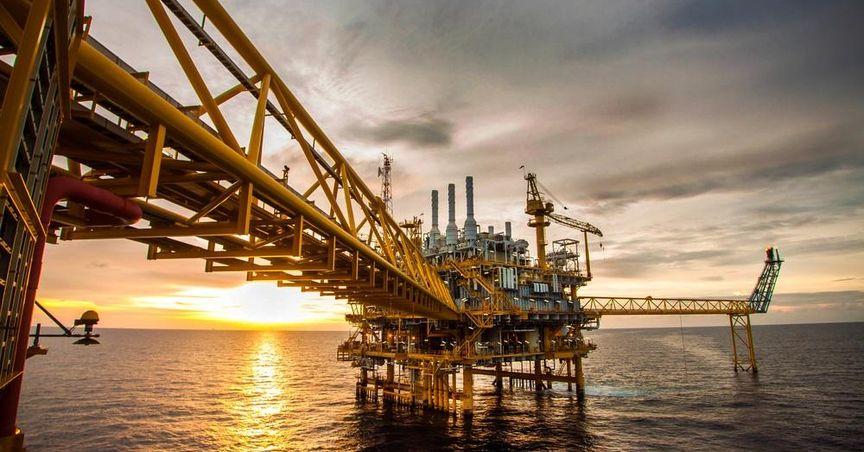
Energy companies maintain asset-intensive operations, including exploration sites, production facilities, and distribution networks. These systems support operational continuity and enable engagement within global markets.
BP plc (LSE:BP) reflects participation within this environment, illustrating how energy firms interact with supply conditions and international frameworks that influence market activity.
Within the Indexftse Ukx context, energy companies contribute to the representation of large-cap firms, highlighting their importance in shaping overall market direction.
Geopolitical Developments and Market Response
Geopolitical developments play a significant role in influencing European markets, particularly when they affect energy supply, trade relationships, and economic stability. These developments often shape how sectors engage within equity markets.
Market activity reflects responses to geopolitical conditions, with companies aligning their operations to accommodate changes in global frameworks. Energy firms, in particular, respond to developments that influence supply chains and resource availability.
Financial institutions and industrial companies also reflect engagement with geopolitical developments, aligning their activities with broader economic conditions. These interactions contribute to sector participation across equity markets.
Within the FTSE all share framework, companies across sectors demonstrate how geopolitical developments influence overall market diversity, reflecting interconnected economic systems. Market response to global developments highlights the importance of external factors in shaping sector activity and equity participation.
Financial Sector and Market Participation
The financial services sector forms a key component of European equity markets, with institutions engaging in banking, investment services, and capital allocation. These companies operate within frameworks that align with economic conditions and regulatory systems.
Financial institutions contribute to market activity by facilitating capital flows and supporting economic engagement across industries. Their operations reflect alignment with macroeconomic conditions and financial frameworks.
Banks and financial firms maintain structured systems that support lending, investment, and asset management activities. These frameworks enable participation within equity markets, reflecting integration with broader economic systems.
Within the FTSE dividend stocks segment, financial companies illustrate structured frameworks aligned with operational continuity. Their activities contribute to overall market engagement within the financial sector. Sector participation within financial services highlights the role of capital allocation in shaping equity market dynamics.
Industrial Sector and Economic Integration
Industrial companies contribute significantly to European equity markets through their involvement in manufacturing, engineering, and infrastructure development. These firms operate within production systems that support economic output and service delivery.
Industrial operations include manufacturing facilities, supply chain networks, and research systems that enable product development and distribution. These elements contribute to sector participation within equity markets.
Companies within this segment align their activities with economic conditions, reflecting engagement with demand for goods and services. These interactions highlight the integration of industrial production within broader economic frameworks.
Within the broader FTSE ecosystem, industrial firms demonstrate the importance of manufacturing and engineering sectors in shaping equity market activity. Sector participation from industrial companies contributes to balanced market representation across industries.
Market Structure and Cross-Sector Participation
The European equity market reflects a diverse structure, where multiple sectors contribute to overall participation. Energy, financial services, industrial production, and consumer-facing industries interact within a framework that supports comprehensive market activity.
Companies maintain structured operational systems that support governance, efficiency, and continuity. These frameworks enable participation within equity markets, reflecting integration between corporate activity and economic conditions.
Cross-sector participation highlights the interconnected nature of market activity, where developments in one sector influence engagement across others. Energy companies, financial institutions, and industrial firms contribute to this dynamic environment.
Within the broader FTSE ecosystem, this diversity underscores the role of multiple industries in shaping equity performance. Companies across sectors demonstrate how operational frameworks align with evolving global conditions.
