
 AUS
AUS
 NZ
NZ
 UK
UK
 CA
CA
 USA
USA
 IND
IND





Highlights
Shell’s position within the UK energy segment remains central as attention turns to broader policy and industrial developments.
FTSE-linked dynamics, currency moves and sector-wide structural themes continue to shape sentiment around UK-listed energy entities.
Shifts in domestic demand, global supply considerations and index-related flows influence the environment in which large energy firms operate.
Shell operates in a complex UK energy landscape shaped by industrial activity, index-linked dynamics, transport networks and evolving policy frameworks within the FTSE 100 environment.
The energy segment occupies a central role within the UK equities environment, featuring prominently across major benchmarks such as the FTSE 100. Organisations within this segment often sit at the intersection of industrial resources, commodity-led activity and global transport routes. Entities positioned in this landscape therefore operate in an environment shaped by domestic policy, cross-border activity and index-related movements. Shell forms part of this segment and remains one of the most widely observed companies within UK-listed energy.
Shell’s role in the global energy system has long been tied to multi-region supply frameworks and extensive industrial networks. References to the organisation, when viewed through the lens of UK equity markets, often highlight its standing within major indices and its relevance for international energy flows. This backdrop sets the tone for an examination of Shell’s place within UK-listed energy, with the organisation represented under (LSE:SHEL) within the London market.
The broader sector stretches across upstream operations, transport-linked networks, refining activities and diversified energy technologies. The operational environment around these areas is shaped by macro drivers, policy updates, market structure, industrial capacity and global trade behaviour. Index-tracked movements, particularly those involving energy organisations, often form a notable part of market discussions due to their scale and revenue diversity.
The UK’s position within global energy supply routes provides further context. The sector interacts with maritime hubs, large-scale storage, import-export channels and refining centres. In turn, this creates an interconnected landscape in which Shell operates, shaped by domestic frameworks but guided by global forces. The FTSE ecosystem embeds these dynamics into its structure, linking the energy segment to broad-based market representation.
Sector Frameworks and Shell’s Position within UK Energy
The energy field encompasses upstream sourcing, midstream conveyance and downstream processing. Organisations within this field often draw upon international operations to support refinery activities, transport networks and regional energy needs. Shell’s presence across multiple segments positions the company within a multi-layered operating space shaped by maritime transport, pipeline structures, commodity markets and technology integration.
Large energy companies frequently align their processes with global shifts in sourcing, climate frameworks, industrial restructuring and domestic infrastructure trends. Shell operates in this multifaceted environment, where supply channels interlink with refinery capacity, chemical manufacturing, storage routes and marine logistics.
An organisation of Shell’s scale typically interacts with several categories of market participants:
• Industrial consumers requiring continuous supply
• Commercial entities within shipping, aviation and freight
• Households dependent on retail fuel and domestic energy
• Technology-oriented segments expanding into alternative energy solutions
Each of these categories interacts with Shell’s operational network. These interactions frequently intersect with index-linked exposure, such as the representation found within the Indexftse UKX, where energy organisations play a significant role due to their scale and international presence.
In addition, entities within the sector sometimes form part of FTSE dividend stocks discussions due to established capital-allocation traditions and visibility within global portfolios. Shell’s long-standing presence contributes to its recognition within such market conversations, though these aspects vary according to broader market frameworks and internal corporate decisions.
The company’s operational reach situates it within a space influenced by large-scale industrial planning, multi-region supply coordination and domestic policy orientation. These dynamics shape how Shell interacts with the energy landscape while also feeding into UK-listed equity behaviour.
Index-Linked Dynamics and Market Behaviour Surrounding Shell
Index representation is a core component of the environment in which Shell operates. Entities within the FTSE all share and related indices often experience market flows shaped by institutional frameworks, passive trackers, pension allocations and global equity benchmarks. Shell’s scale ensures regular attention from these channels, which magnify movements within the broader energy segment.
Index-related shifts arise through benchmark reviews, methodology changes, reweighting schedules and fund-allocation decisions. Large organisations such as Shell naturally play a prominent part in these flows due to their sizeable market presence. This visibility influences trading activity tied to passive fund mechanics, an important component of the UK equities landscape.
Sector-level shifts also influence index-aligned behaviour. The energy segment, shaped by commodity conditions, transport routes and policy alignment, interacts with global market factors on a continual basis. Conditions relating to refining margins, marine logistics, freight dynamics, storage availability and industrial output often shape energy-related discussions. When such factors widen in scope, entities like Shell often sit at the centre of market attention.
Currency movements add another dimension to Shell’s landscape. The energy field interacts with global trade conducted in multiple denominations, meaning currency fluctuations can influence operational and financial dynamics. For multi-region organisations, such movements create a variable backdrop, affecting procurement patterns, operational frameworks and translated metrics presented within UK markets.
Further context arises from international energy policies, environmental objectives and technology-driven shifts within the sector. These elements contribute to the framework within which Shell functions, influencing organisational strategy and sector-wide positioning.
Sector Dynamics, Industrial Activity and Broader Market Conditions
Shell’s environment is shaped by a range of factors spanning industrial output, maritime supply routes, domestic policy orientation and global energy patterns. Several themes underpin the sector’s framework:
Industrial Output
Energy demand interacts closely with manufacturing and transport activity. Fluctuating industrial intensity can shape fuel requirements, refinery throughput and international trade velocities. Shell’s operations naturally intersect with these dynamics through marine fuel supply, petrochemical activity and refined product distribution.
Commodity Behaviour
The energy landscape is closely tied to commodity conditions. Shifts within upstream environments, offshore fields, transport corridors and global sourcing frameworks influence sector-wide conditions. Organisations within this field therefore experience changing environmental factors according to these themes.
Domestic Energy Policy
Government frameworks relating to energy infrastructure, environmental commitments, licensing conditions and industrial-transition objectives shape the operational space for energy companies. For a company such as Shell, this adds another layer to its domestic presence, particularly within the UK’s evolving policy direction.
Maritime and Transport Channels
Global shipping networks form a core component of the energy supply chain. These channels influence the movement of crude, refined products, LNG cargoes and industrial materials. Shell’s presence across marine fuel, logistics coordination and offshore sourcing embeds the company within these transport layers.
Alternative Energy and Technology
There has been an ongoing shift towards diversified energy technologies, infrastructure updates and industrial transformation. Activities relating to hydrogen networks, renewable projects and electrification initiatives interact with mainstream energy operations. For Shell, participation in such areas forms part of a larger sector-wide transition story.
Corporate Structure and Market Positioning
Shell’s operational model spans multiple segments: sourcing, transport, refining, chemicals and alternative energy. These layers create a multifaceted organisation influenced by international supply dynamics, regulatory structures and index-linked representation.
Together, these factors shape the environment in which Shell operates, providing a detailed picture of the sector’s multi-layered landscape.
Energy Flows, Industrial Inputs and the UK Market Structure
The UK’s position within global energy markets is supported by infrastructure, international maritime routes, industrial capacity and trading networks. Organisations like Shell, embedded within this ecosystem, interact with several structural features.
Supply Routes and Maritime Infrastructure
The UK benefits from access to major shipping routes, energy terminals, offshore fields and cross-border pipeline networks. Shell’s involvement in these channels provides operational reach across upstream, midstream and downstream functions.
Refining and Petrochemical Capacity
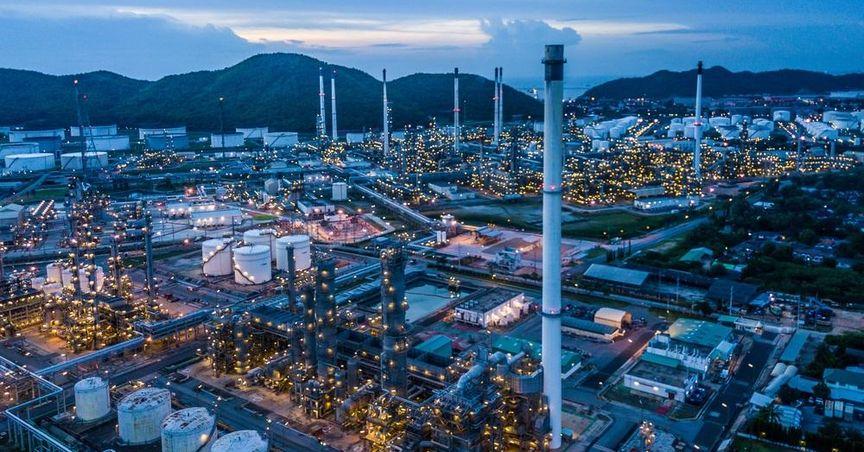
Domestic refining facilities contribute to fuel supply, industrial feedstocks and chemical-sector inputs. Shell’s historical and ongoing involvement in refining activities situates the organisation within the operational landscape that supports UK industry and transportation.
Storage and Distribution
Large-scale storage plays a central role in maintaining supply balance across energy markets. Storage volumes, distribution hubs and inland transport networks therefore shape the operational environment for Shell.
Industrial and Commercial Demand
Commercial transport, aviation, freight networks and manufacturing segments draw upon refined energy products. Shell contributes to these supply lines through marine supply arrangements, aviation fuel networks and industrial chemical operations.
Energy Transition Activity
The UK’s emphasis on industrial transition intersects with Shell’s involvement in lower-carbon technologies, long-horizon infrastructure planning and evolving regulatory frameworks. Projects focusing on renewable integration, hydrogen pathways, CCS frameworks and circular-chemicals initiatives form part of this space.
Index-Linked Representation
Shell’s presence within UK equity benchmarks helps shape its visibility within domestic and international asset-allocation frameworks. Energy organisations within indices often interact with broad-based flows derived from pension allocations, institutional mandates and passive benchmarking structures.
