
 AUS
AUS
 NZ
NZ
 UK
UK
 CA
CA
 USA
USA
 IND
IND



.jpg)

Highlights
- Energy producers across the United Kingdom market continue drawing attention amid shifting sector narratives.
- Operational activity across upstream oil and gas exploration remains a central theme for several listed companies.
- Market observers remain attentive to developments surrounding companies operating within the broader energy supply chain.
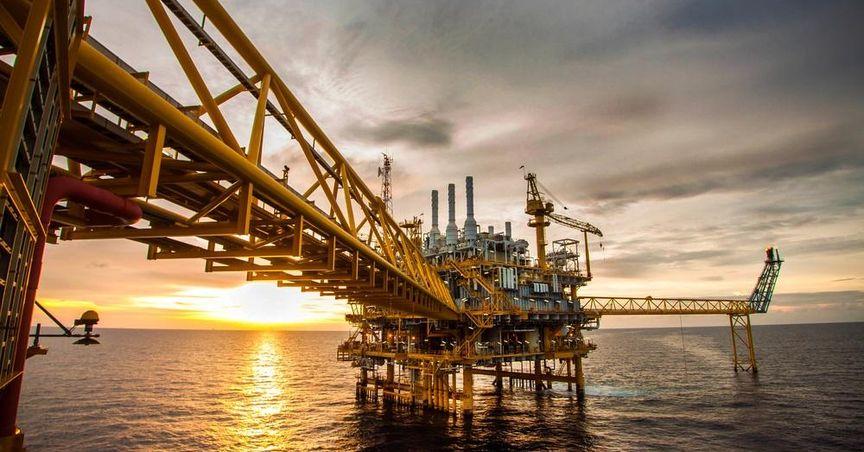
The global oil and gas exploration sector forms a significant component of energy supply systems across several regions, supporting domestic power generation, industrial processes, and broader infrastructure networks. Within this landscape, Seplat Energy (LSE:SEPL) operates as an independent oil and gas producer with operations centred in West Africa while maintaining a presence within the United Kingdom equity market. The company’s activities span upstream exploration, production development, and natural gas processing that contributes to domestic power supply. Sector attention frequently focuses on the operational footprint of companies involved in hydrocarbon extraction as well as their role in supporting electricity generation and energy availability. Discussions across the broader FTSE ecosystem frequently explore how energy producers interact with market frameworks that include diversified industrial firms, resource companies, and infrastructure providers.
Within the United Kingdom equity environment, companies across the energy segment are often discussed alongside benchmark indices that help frame broader market narratives. The FTSE 350 represents a widely followed benchmark combining large and mid sized companies listed on the London Stock Exchange. Energy producers listed on the exchange are frequently assessed within the wider industrial mix represented by this index, which includes firms across resources, manufacturing, telecommunications, utilities, and financial services. Sector activity within the index often reflects how energy supply considerations intersect with economic activity, electricity demand, and infrastructure expansion across different regions.
Energy Production Landscape and Operational Context
Energy exploration and production companies operate within a complex framework shaped by geology, regulatory structures, infrastructure networks, and cross border energy demand. Oil and gas producers active in emerging hydrocarbon basins frequently maintain operational models that combine exploration, field development, transportation arrangements, and natural gas processing facilities. These operational components support power generation networks that rely on gas supply for electricity distribution across rapidly expanding urban regions.
Companies involved in upstream hydrocarbon activity typically engage in field appraisal programmes designed to assess reservoir characteristics, production capacity, and long standing resource management plans. These programmes involve geological surveys, drilling operations, pipeline infrastructure coordination, and processing facilities that convert extracted gas into usable energy for domestic power systems. The operational cycle surrounding hydrocarbon extraction therefore extends beyond drilling activity alone, encompassing environmental stewardship practices, technical partnerships, and energy transportation logistics.
Across energy producing regions, natural gas infrastructure has become a central pillar supporting electricity networks. Gas processing plants connect upstream production fields with downstream power facilities that distribute electricity across cities, industrial zones, and transport corridors. The presence of these facilities strengthens domestic electricity supply while supporting regional energy security objectives. Companies operating within these frameworks therefore participate in an integrated supply structure linking exploration activity with power generation infrastructure.
Energy producers listed in London frequently maintain operations across several geographic territories while accessing capital markets through the United Kingdom listing framework. This arrangement allows companies to operate internationally while remaining visible within the broader market ecosystem associated with the London Stock Exchange. The operational diversity of such firms contributes to ongoing discussions across energy supply chains that extend from resource extraction through to electricity distribution networks.
Operational Activities and Regional Energy Supply
Oil and gas producers working within emerging hydrocarbon regions often maintain a dual focus on crude oil extraction and natural gas development. While oil production contributes to international energy trade, gas processing infrastructure frequently supports domestic electricity generation programmes that serve expanding urban populations. These combined operations contribute to broader discussions surrounding energy availability, infrastructure planning, and national energy supply frameworks.
Hydrocarbon exploration typically involves collaborative arrangements between technical specialists, engineering contractors, and regional authorities responsible for energy regulation. Drilling operations require careful geological assessment alongside environmental management practices designed to protect surrounding ecosystems. Once commercial production begins, transportation systems such as pipelines and storage terminals form an essential component of the overall supply structure.
Gas processing infrastructure connected to upstream fields plays a particularly important role in countries where electricity demand expands alongside population centres. Processing plants convert raw gas into usable fuel capable of powering electricity turbines. This transformation allows energy producers to support domestic power networks that supply households, commercial facilities, and manufacturing operations across urban regions.
The operational framework surrounding Seplat Energy (LSE:SEPL) reflects these broader dynamics, with upstream production activity integrated alongside natural gas infrastructure that supplies electricity generation facilities. Through these interconnected operations the company participates in regional energy supply networks that support domestic power availability and industrial activity. Discussions across the London market often place such companies within the wider narrative surrounding global energy supply systems and resource development.
Energy Firms Within the Broader Market Landscape
The London equity environment contains companies from a wide spectrum of sectors ranging from financial services to industrial manufacturing and natural resources. Energy producers form a distinctive component of this landscape because their operational activities directly influence electricity availability, industrial fuel supply, and transportation networks. Their presence within the exchange therefore intersects with broader economic discussions concerning infrastructure expansion and resource management.
Market benchmarks help frame these discussions by grouping companies across sectors into recognised indices used by market participants when observing broad market movements. In addition to widely referenced benchmarks such as the Indexftse Ukx, the exchange hosts a range of composite indices that reflect different segments of the listed corporate universe. These indices assist observers in understanding how resource producers, industrial companies, financial institutions, and technology firms interact within the overall market structure.
Energy producers listed in London frequently operate outside the United Kingdom while maintaining strong links to the exchange through regulatory frameworks and market access. Their presence underscores the global orientation of the London capital market, which historically served as a hub for international resource companies seeking visibility within a large financial centre. Through this connection, hydrocarbon producers become part of the broader narrative surrounding the United Kingdom market environment.
Within this broader setting, energy companies contribute to ongoing discussions surrounding supply security, infrastructure investment, and the evolving mix of fuels used to generate electricity. These discussions occur alongside other themes affecting listed companies, including industrial development, digital infrastructure expansion, and transportation logistics. As a result, the presence of hydrocarbon producers within the exchange often prompts sector wide conversations concerning the role of resource extraction within modern energy systems.
Energy Narratives Across the FTSE Ecosystem
Across the United Kingdom market structure, various indices provide reference points that frame discussions around different groups of listed companies. These frameworks often intersect with thematic discussions surrounding energy infrastructure, resource extraction, and electricity supply. Within the broader context of the FTSE all share universe, energy producers represent an important component of the industrial landscape represented on the London Stock Exchange.
Hydrocarbon exploration companies frequently appear alongside firms involved in mining, engineering services, transportation infrastructure, and utility distribution networks. This combination illustrates how natural resource extraction remains closely linked to broader industrial activity. Energy producers supply raw materials that ultimately support electricity networks, transport systems, and manufacturing facilities across multiple regions.
Discussions across the United Kingdom market often reference the role of resource producers within diversified indices that combine multiple industries. Observers frequently explore how energy companies interact with other sectors represented within these indices, including financial services, telecommunications infrastructure, and manufacturing supply chains. Such discussions help illustrate how resource extraction connects with wider economic systems operating across the global economy.
Alongside these conversations, attention occasionally extends to income oriented segments of the market such as FTSE dividend stocks, where certain energy companies have historically appeared due to their established operational footprints and infrastructure assets. These segments highlight how hydrocarbon producers sometimes intersect with broader market themes relating to energy supply stability, industrial activity, and electricity generation networks.
Energy Infrastructure and Market Visibility
Infrastructure supporting oil and gas extraction involves a layered system of drilling operations, processing facilities, pipelines, storage terminals, and export arrangements. Each component plays a role in ensuring that extracted hydrocarbons move from production sites to power plants, refineries, and industrial consumers. Companies engaged in upstream production frequently coordinate with engineering firms, transportation operators, and regional authorities responsible for overseeing resource development.
Natural gas infrastructure remains particularly relevant in regions where electricity supply depends heavily on gas fuelled power generation. Processing plants convert raw gas streams into fuel suitable for electricity turbines, enabling domestic power systems to serve residential communities, commercial facilities, and public infrastructure networks. Through these processes, upstream energy producers contribute to the functioning of national electricity grids.
Within the London market environment, companies connected to these infrastructure networks remain visible through regulatory filings, operational updates, and sector wide discussions. Their presence illustrates how international energy supply systems intersect with the financial infrastructure of the United Kingdom exchange. This connection allows global resource producers to remain integrated with a major financial marketplace while maintaining operations across geographically distant regions.
Energy producers operating within this framework therefore occupy a distinctive place within the wider narrative surrounding industrial supply chains and electricity generation systems. Their operational footprint links resource extraction with power generation infrastructure, transportation logistics, and international trade routes that distribute hydrocarbons across global markets.
