
 AUS
AUS
 NZ
NZ
 UK
UK
 CA
CA
 USA
USA
 IND
IND






Highlights
Energean released third-quarter information for its Israel-based natural gas and hydrocarbon activities under the global energy sector.
Core offshore assets such as Karish, Tanin, Katlan and various blocks remained central to operations during the period.
A temporary production suspension shaped part of the quarter, while funding access and asset control remained in place.
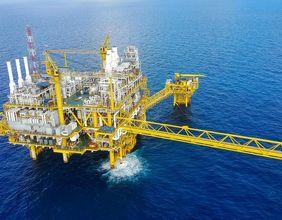
Energean’s Israel Q3 update outlines offshore activity, asset structure and financial movements within its FTSE-linked energy profile, including Karish, Tanin and Katlan fields.
The natural gas and hydrocarbon sector continues to form a core segment of the broader energy market, and within this space, Energean stands as a constituent linked with the FTSE 350 companies. Its operations in Israel reflect offshore exploration, development and production activities that contribute to the wider regional energy framework and global supply considerations.
In its latest update covering the third quarter period, Energean (LSE:ENOG) outlined the status of its Israel-focused operations. This update centred on operational progress, financial structures, field-level performance and the strategic positioning of assets. The offshore portfolio remains an important component of the group’s presence within energy-related indices such as the FTSE, the FTSE All-Share, the IndexFTSE UKX and broader FTSE dividend stocks categories.
Operational Structure and Asset Portfolio
Energean’s operational footprint in Israel covers a blend of producing, developing and exploratory offshore fields. Karish is the flagship producing asset, together with Karish North forming the current backbone of output. Tanin remains positioned for future development, while Katlan in Block Twelve is set for a further phase of offshore advancement.
Alongside these fields, a collection of exploration blocks reinforces long-term continuity within the wider asset base. All of these areas are held under a unified working interest position that supports controlled and centrally managed exploration and production activities. This approach enables a cohesive operational model across multiple phases of field lifecycle stages, from subsurface assessment to future production preparation.
The asset framework is structured to maintain continuity across upstream activities, ensuring each field and block contributes to the collective offshore strategy shaping the Israel portfolio.
Financial Structures and Operational Cash Dynamics
The financial update for the period presents a picture shaped by operational activity, working capital movements and funding arrangements. Revenue for the period reflected the level of production and offtake from ongoing operations. The group recorded variations linked to offshore activity levels and the temporary operational suspension that influenced part of the timeframe.
Operational cash generated before movement in working capital remained a central factor that maintained the ability to support offshore commitments. While liquidity adjusted in line with expenditure and reduced inflow levels, the group kept access to established funding structures designed to support capital projects and operating requirements.
Cash movement across the period reflects upstream activity, developmental spending on future fields, and the maintenance of infrastructure across the offshore environment. Financial governance remained aligned with regulatory and internal reporting frameworks applicable to interim periods within the energy sector.
Temporary Production Interruption and Regional Environment
A temporary operational suspension took place during the quarter due to precautionary directives issued within the regional energy environment. Offshore facilities were instructed to pause specific activities for part of the period, reflecting the heightened regional circumstances that occasionally influence infrastructure-linked operations.
Despite this interruption, production from key areas such as Karish and Karish North continued across other intervals that were not affected by the temporary measures. Infrastructure security, technical oversight and staff safety remained central considerations throughout the suspension.
Operational teams carried out measures to maintain field integrity, compliance protocols and readiness to resume full activity once cleared to do so. The strategic focus during this period centred on continuity planning, safety assurance and the preservation of field performance where permitted under regional directives.
Contractual Commitments and Strategic Positioning
Energean continues to operate within a structured framework of long-term gas supply arrangements within the domestic Israeli market. These contractual arrangements support multi-year commitments across key industrial and commercial offtake segments.
Katlan’s planned development forms part of the next stage of structural expansion, set to introduce new offshore gas capacity to complement the established Karish and Tanin fields. Exploration and technical studies continue across additional blocks, forming part of a broader strategy aimed at maintaining field readiness for future development phases.
These commitments support both the present offshore profile and upcoming portfolio stages, ensuring organisational continuity through layered field development and contractual stability.
Corporate Structure and Asset Governance
The corporate structure underpinning Energean’s Israel operations includes subsidiaries responsible for transmission licences, project financing and field-related technical obligations. This structure allows individual entities to manage regulatory approvals, capital requirements and infrastructure-linked responsibilities effectively.
Financial statements for the period follow interim reporting standards adapted for energy sector operations, capturing fair representation of asset status, cash movement and operational results. Asset ownership positions remained unchanged, with full control retained across offshore areas.
Liquidity planning continued through access to secured facilities designed to support both immediate operational expenditure and capital spending for future project phases, particularly in relation to Katlan and exploratory blocks. The group’s approach to governance emphasises transparent financial reporting, structured capital allocation and clarity in asset ownership across the upstream portfolio.
