
 AUS
AUS
 NZ
NZ
 UK
UK
 CA
CA
 USA
USA
 IND
IND





HIGHLIGHTS
BP plc (LSE:BP) continues shaping the global energy landscape while operating within both the FTSE 100 and FTSE 350 indices.
The company’s activities span oil, gas, bioenergy, advanced fuels, renewable infrastructure and global trading operations.
Broader FTSE discussions frequently reference BP’s influence in energy supply systems, industrial development and long-term sector transitions.
BP’s diverse energy operations, trading networks and inclusion in the FTSE 100 and FTSE 350 underpin its influence across global energy markets and infrastructure systems.
BP plc (LSE:BP) is one of the world’s most established energy companies, operating across exploration, refining, production, trading and advanced energy solutions. The organisation’s activities support global industrial operations, transportation systems, household consumption, aviation fuel requirements and marine power networks. Its diversified presence across oil, natural gas, bioenergy, energy technology, electric vehicle charging and renewable infrastructure places it among the most influential contributors to the modern energy landscape.
The company appears within both the FTSE 100 and FTSE 350, demonstrating its significant scale and market influence. Entities within these indices commonly maintain broad operational footprints, a global customer base and strategic prominence across multiple industries. BP’s inclusion reinforces its importance not only to the UK economy but also to worldwide energy infrastructure.
Energy firms operate within complex environments shaped by geopolitical considerations, regulatory frameworks, environmental priorities and supply chain logistics. BP manages numerous upstream and downstream assets, including offshore platforms, refineries, petrochemical plants, natural gas networks, trading desks and renewable energy installations. These assets require engineering expertise, safety protocols, environmental oversight and extensive workforce capabilities.
BP’s operations touch nearly every major segment of the energy sector. The organisation supports global oil demand through exploration and production assets in multiple regions, including offshore fields and land-based drilling sites. These activities involve geological studies, drilling operations, reservoir management, and partnerships with governments, technology providers and industrial contractors.
Downstream operations include refining and processing crude oil into gasoline, diesel, jet fuel, lubricants and petrochemical feedstocks. The company’s refineries serve industrial customers, transport networks, aviation partners and retail fuel stations worldwide. Its petrochemicals support plastics manufacturing, packaging industries, construction materials and specialised industrial processes.
BP’s position within the broader FTSE all share environment reflects its historic role in energy production, infrastructure development and global trading. Through its long-standing presence in international markets, the company has influenced the evolution of energy delivery systems and industrial supply chains.
Oil and Gas Exploration, Production Assets and Global Supply Systems
BP plc (LSE:BP) operates an extensive portfolio of upstream assets that extract oil and natural gas from reservoirs located across continents. Each project involves seismic surveys, geological mapping, drilling programmes, platform construction, reservoir monitoring and long-term field management. The organisation manages both mature fields and newly developed exploration areas through partnerships with governments, international energy firms and engineering contractors.
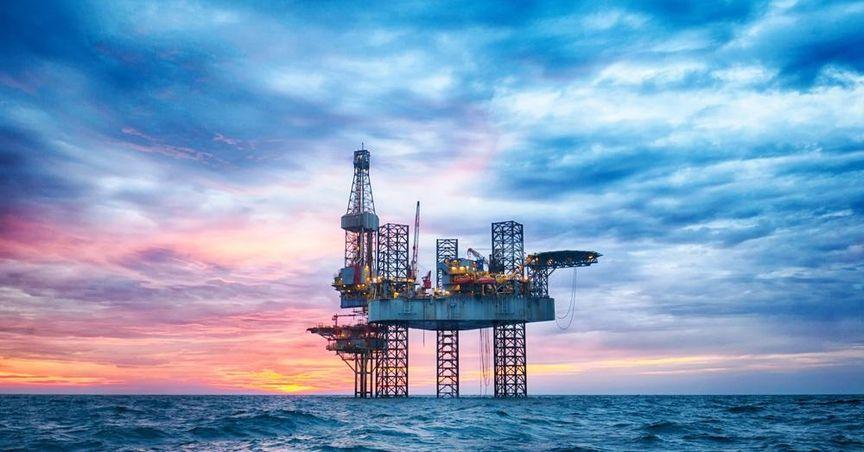
Offshore operations represent a significant portion of BP’s upstream activity. These projects require floating or fixed platforms, subsea infrastructure, pipelines, wellheads and advanced monitoring systems. The engineering complexity associated with offshore extraction demands safety-focused design, environmental oversight and technological resilience in challenging conditions such as deep waters, extreme weather and high-pressure reservoirs.
Natural gas remains a vital part of BP’s energy portfolio. It supports power generation, manufacturing industries, household heating and global liquefied natural gas (LNG) markets. BP’s involvement in LNG production and shipping helps maintain supply routes across Asia, Europe, the Americas and the Middle East. The company engages in gas liquefaction, shipping coordination, regasification partnerships and long-term supply agreements.
Oil trading plays a substantial role in BP’s commercial operations. The company’s global trading network manages crude movement, refines product distribution, and navigates transportation logistics across shipping channels, pipelines and storage facilities. These activities ensure consistent supply for customers and support global energy market stability.
BP’s upstream and midstream operations intersect with national energy policy discussions, industrial development priorities and sectoral investment frameworks. As a company within both the FTSE 100 and FTSE 350, its operational decisions often shape wider market narratives within the UK and internationally.
Refining, Petrochemicals and Downstream Market Presence
BP plc (LSE:BP) maintains a substantial downstream presence through its refineries, petrochemical units, fuel distribution systems and lubricants operations. Refining transforms crude oil into essential transport fuels, industrial petrochemicals and heating products. BP’s refining assets include catalytic crackers, hydrotreater units, distillation towers, and blending operations that produce tailored fuel compositions for different markets.
Retail fuel distribution forms another significant downstream activity. BP operates refuelling stations across numerous countries, supplying petrol, diesel, low-emission blends and specialised lubricants to consumer and commercial customers. Many stations include convenience and mobility services such as EV chargers, providing multi-purpose customer support within community areas.
Petrochemicals represent a core component of modern manufacturing. BP’s petrochemical products contribute to plastics, fibres, packaging films, insulation materials, and coatings used across global industries. The company’s research teams develop chemical formulations designed to meet sustainability goals, reduce waste and support circular economy initiatives.
Lubricants distributed under BP’s premium brands support vehicle engines, industrial equipment, marine vessels and aviation machinery. These products rely on precision engineering, thermal stability, anti-corrosion properties and advanced additives to ensure equipment efficiency.
Downstream performance influences discussions related to FTSE dividend stocks, given the role of integrated energy companies in structured distribution frameworks. Although financial recommendations are not included, BP’s historical presence within these discussions reflects its long-standing operating model.
BP’s involvement across refining, petrochemicals and distribution reinforces its relevance within both the FTSE 100 and FTSE 350 market ecosystems, contributing significantly to industrial production and consumer supply networks.
Energy Transition Projects, Low-Carbon Strategies and Technology Integration
In recent years, BP plc (LSE:BP) has expanded its portfolio of low-carbon initiatives, alternative energy projects and digital transformation strategies. These activities support global shifts toward energy diversification, environmental responsibility and sustainable fuel development.
The company engages in renewable energy projects involving solar power, offshore wind installations, bioenergy production, and green hydrogen research. These initiatives require collaboration with technology developers, engineering firms, national governments and energy partners across multiple markets.
Electric vehicle charging infrastructure forms another area of expansion for BP. Its mobility division operates charging networks designed to support increasing adoption of EV transportation. These networks include high-capacity fast chargers, integrated station services, digital payment systems and real-time usage monitoring.
Digital innovation influences operations across the entire organisation. BP uses data analytics, predictive maintenance technology, satellite imaging, reservoir simulation software and automated workflows to optimise extraction, trading, refining and distribution processes. These technologies enhance operational efficiency, reduce downtime and support environmental oversight.
Hydrogen development represents a strategic area of industry interest. Blue hydrogen production, green hydrogen pathways, and hydrogen-powered industrial applications form part of ongoing research streams across the sector. BP collaborates on hydrogen projects that aim to support future industrial transformation.
Accelerating energy investment into low-carbon pathways positions BP as a major participant in discussions surrounding future energy systems. The organisation’s presence within the FTSE all share further highlights its involvement in the evolving sustainability landscape across global markets.
Trading, Logistics Infrastructure and Global Market Influence
BP plc (LSE:BP) operates one of the world’s most advanced commodity trading networks. Its trading division manages the global movement of oil, gas, refined fuels, chemicals and emerging energy products. Trading teams work across international markets, analysing supply conditions, coordinating shipping routes, negotiating contracts and overseeing logistics operations that ensure timely delivery of energy products.
Worldwide logistics infrastructure includes storage terminals, tanker fleets, pipeline networks, rail transport agreements and port facilities. These assets enable BP to adapt to supply shifts, market fluctuations and customer requirements across continents. Safe and efficient transport remains a top priority, requiring strict compliance with maritime regulations, environmental safeguards and operational monitoring systems.
The company’s trading activities support relationships with industrial manufacturers, power stations, refiners, retailers, petrochemical companies and aviation clients. Through its integrated business model, BP links production assets with downstream markets, offering comprehensive support across the entire energy value chain.
Digital tools support trading operations by monitoring global shipping routes, assessing refinery output, tracking fuel consumption models and managing inventory. These tools contribute to the company’s ability to maintain reliable supply channels across international markets.
The scale of BP’s global operations places the organisation at the centre of discussions involving energy security, industrial strategy, and market dynamics. Its inclusion in both the FTSE 100 and FTSE 350 reinforces its significance within UK markets and international energy sectors.
