
 AUS
AUS
 NZ
NZ
 UK
UK
 CA
CA
 USA
USA
 IND
IND

_10_04_2024_16_38_50_427275.jpg)

_07_17_2023_08_36_03_332760.jpg)


Highlights
BP reflects developments within the global energy and integrated oil sector.
Market activity aligns with broader industrial and energy trends across FTSE indices.
Operational direction shaped by energy transition, production activity, and global demand.
BP reflects FTSE market activity as global energy demand, industrial trends, and transition initiatives shape engagement across the UK equity landscape.
The energy sector remains a central pillar of the United Kingdom’s equity market, comprising companies engaged in oil, gas, renewables, and integrated energy solutions. Within the FTSE framework, major indices such as the FTSE 100 represent large-cap organisations with extensive international operations. BP p.l.c. (LSE:BP) operates within this sector, contributing to the broader market through its involvement in upstream production, refining, and energy transition initiatives.
Energy Sector Activity and Market Engagement
Recent market engagement has placed BP shares in focus, reflecting developments across the global energy landscape. Companies within this sector often respond to fluctuations in energy demand, production activity, and shifts in the balance between traditional fuels and alternative energy sources.
The energy industry operates within a framework shaped by global consumption patterns, industrial requirements, and evolving environmental considerations. These elements influence engagement across organisations involved in oil extraction, refining processes, and distribution networks.
Within the Indexftse Ukx, energy companies contribute significantly to broader market direction. Their performance often mirrors global economic activity, reflecting industrial demand and infrastructure utilisation across regions.
Market dynamics within this segment highlight the importance of energy providers in sustaining economic systems. Their role extends beyond supply, encompassing logistics, technological integration, and operational adaptability within an evolving landscape.
Companies operating in this sector are often influenced by macroeconomic factors, including industrial output, transportation demand, and policy frameworks. These factors collectively shape engagement across the energy value chain, contributing to the broader equity market structure.
Business Structure and Integrated Operations
BP maintains a diversified business structure that spans exploration, production, refining, and distribution. This integrated model enables the organisation to engage across multiple stages of the energy lifecycle, supporting operational continuity and alignment with global demand patterns.
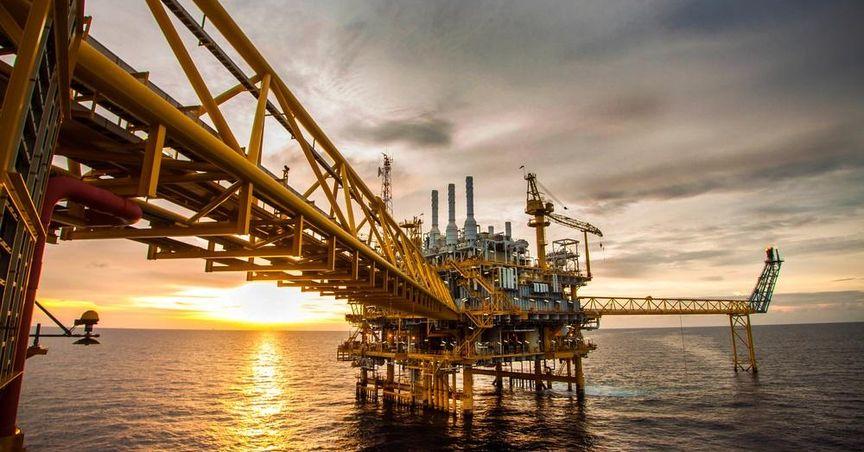
The upstream segment focuses on exploration and extraction activities, contributing to supply across international markets. These operations are supported by infrastructure designed to facilitate efficient production and transportation of resources.
Downstream activities encompass refining, marketing, and distribution processes. These functions play a key role in delivering energy products to end-users, including transportation sectors, industrial facilities, and residential consumers.
In addition to traditional operations, BP has expanded its involvement in alternative energy solutions. This includes participation in renewable energy projects and initiatives aimed at reducing environmental impact. These developments reflect broader industry trends associated with energy diversification.
Operational dynamics within this sector are influenced by technological advancements, logistical frameworks, and regulatory environments. Companies engaged in integrated energy activities often adapt their structures to align with evolving market conditions and policy directions.
International operations form a core aspect of the business model, enabling engagement across multiple regions. This global presence contributes to responsiveness to changing demand patterns and operational requirements.
Energy Transition and Industrial Themes
The global energy sector continues to evolve in response to shifting environmental priorities and technological developments. Companies operating within this space are increasingly engaged in initiatives that support energy transition, reflecting broader changes in consumption patterns and regulatory frameworks.
BP’s involvement in energy transition activities aligns with industry-wide developments focused on diversification and sustainability. These efforts encompass investments in renewable energy, improvements in operational efficiency, and adaptation to changing policy environments.
Within the broader market, companies associated with FTSE dividend stocks contribute to structured financial frameworks, reflecting established operational models. Energy firms often participate in these themes through their integrated structures and resource-based operations.
Industrial activity plays a central role in shaping the energy sector, with demand influenced by manufacturing output, transportation networks, and infrastructure development. These elements contribute to the ongoing interaction between energy providers and other sectors within the market.
Technological innovation continues to influence the sector, supporting advancements in production techniques, energy storage, and distribution systems. These developments contribute to the evolving nature of energy supply and consumption.
The transition towards diversified energy sources reflects a broader shift within the industry, where traditional and alternative systems coexist within a dynamic operational framework. This interaction shapes activity across the sector, influencing engagement within the wider equity market.
FTSE Framework and Sector Integration
The United Kingdom’s equity market is characterised by its diverse composition, encompassing sectors such as energy, financial services, healthcare, and industrials. Within the FTSE all share, companies from various industries contribute to a comprehensive representation of economic activity.
Energy companies occupy a prominent position within this framework, reflecting their role in supporting essential services and infrastructure. Their inclusion within major indices highlights their significance in shaping overall market dynamics.
The FTSE structure enables a layered understanding of market engagement, where developments in one sector influence activity across others. Energy companies often interact with industries such as transportation, manufacturing, and technology, creating interconnected dynamics within the market.
Sector integration within this framework contributes to a dynamic environment, where changes in energy supply and demand influence broader economic activity. This interaction underscores the importance of energy providers in maintaining stability within the market ecosystem.
Companies operating within this segment often engage with international markets, contributing to their exposure to global economic conditions. This global reach enhances their ability to respond to changes in demand and operational requirements across regions.
Global Market Environment and Energy Demand
The global market environment continues to shape activity within the energy sector, influencing production levels, distribution networks, and operational strategies. Factors such as industrial activity, transportation requirements, and infrastructure development contribute to shaping demand for energy resources.
BP’s operational engagement reflects these broader dynamics, where international demand and regional developments influence activity across the energy value chain. The interconnected nature of global markets contributes to the complexity of this environment.
Energy demand is closely linked to economic activity, with sectors such as manufacturing, logistics, and aviation playing a central role. Changes in these areas influence consumption patterns, shaping engagement across energy providers.
Technological developments also contribute to the evolution of the sector, supporting improvements in efficiency and sustainability. Innovations in areas such as renewable energy, carbon management, and digital systems enhance operational capabilities.
Policy frameworks and environmental considerations continue to influence the direction of the energy sector. Companies operating within this space adapt to regulatory changes and evolving expectations, shaping their operational approaches.
The interaction between traditional energy systems and emerging technologies creates a dynamic landscape, where companies navigate a range of operational factors. This environment contributes to the ongoing evolution of the sector, influencing engagement within the broader market.
Global supply chains play a critical role in supporting energy distribution, ensuring that resources reach end-users across regions. These networks are influenced by logistical frameworks, geopolitical considerations, and infrastructure capabilities.
The energy sector’s role within the global economy underscores its importance in supporting industrial activity and societal functions. Companies operating within this space contribute to the continuity of essential services, reflecting their significance within the market.
