
 AUS
AUS
 NZ
NZ
 UK
UK
 CA
CA
 USA
USA
 IND
IND






Highlights
Food division leads recovery after disruption
Clothing and homeware clears inventory efficiently
Middle East exposure monitored amid regional tensions
Marks & Spencer (MKS) overcomes a difficult year with a strong rebound in Food and steady recovery in Fashion and Home divisions, positioning for sustainable growth ahead.
A Fresh Start After a Disruptive Year
Marks & Spencer (LSE:MKS) closes its financial year with momentum intact following a challenging period marked by operational disruption. The company’s LSE & FTSE stock market presence remains strong, with recovery efforts showing positive traction across divisions. Retail operations faced significant hurdles due to a cyber incident that affected inventory management and stock availability during the first half of the year.
Despite these obstacles, management has focused on stabilizing operations and positioning the company for growth. Food and clothing divisions are now recovering, with strategies in place to strengthen sales and operational efficiency. The company’s performance illustrates resilience in the retail sector and its commitment to enhancing shareholder value.
Food Division Leads the Rebound
The Food segment was the first to recover from the operational setbacks. Early disruption caused temporary challenges in stock availability, impacting sales, but the division has quickly regained traction. Full-year trading figures are expected to reflect the renewed momentum.
Looking ahead, Marks & Spencer plans to expand its Food store estate, accelerating space growth and enhancing customer access. The company aims to boost overall Food sales through a mix of new store openings and optimized performance of existing outlets. This expansion underlines M&S’s focus on strengthening its presence in the grocery market and catering to evolving customer demands.
Clothing and Homeware: Inventory Management in Focus
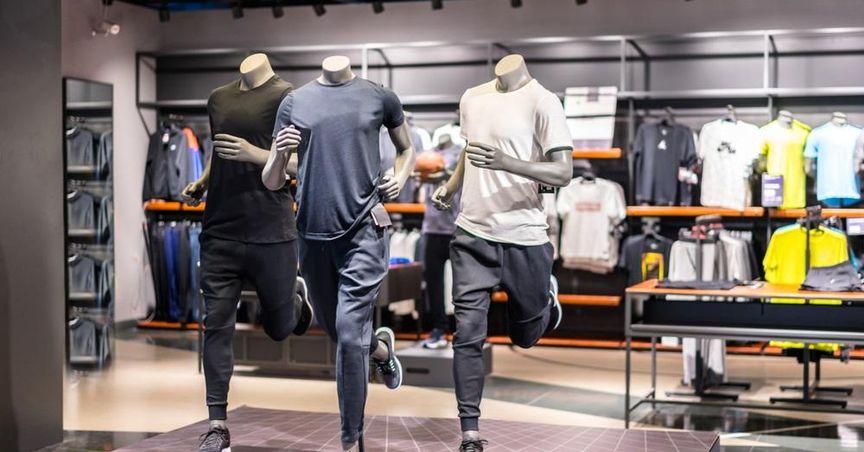
The Fashion, Home, and Beauty division experienced a tougher year, with the cyber incident affecting stock levels and prompting clearance efforts. Management has maintained essential lines such as basics, allowing the company to preserve long-term customer interest without extensive markdowns.
Recent full-price trading has shown positive customer response to new collections, reflecting improved consumer engagement. As the company stabilizes inventory levels, strategic planning for upcoming ranges emphasizes quality, diversity, and enhanced shopping experiences across clothing and homeware segments.
Monitoring Middle East Exposure
While the company’s Middle East exposure remains limited, operational costs and logistics are being closely managed amid regional uncertainty. Energy costs are largely covered for retail operations, providing financial stability for store networks.
Freight routes have been adjusted to avoid conflict zones, which affects supply chain timing and efficiency. Revenue tied to key franchise partners in the UAE remains stable, supported by healthy mall traffic, though prolonged regional tensions could influence future performance.
Valuation Perspective and Growth Outlook
Marks & Spencer’s current market valuation does not fully reflect the recovery and future growth potential. Analysts highlight that the stock trades at a relatively attractive level compared to peers in FTSE 100 and FTSE 350. Long-term growth models indicate substantial opportunities in Food expansion and online clothing and homeware sales, with projected improvement in earnings and operational flexibility.
Management’s focus on core business operations, combined with strategic expansion plans, suggests that Marks & Spencer is well-positioned to leverage both store-based and digital channels for sustained growth. Investors and stakeholders can monitor ongoing developments through FTSE AIM 50 metrics and wider market movements.
Marks & Spencer (MKS) has navigated a turbulent year successfully, demonstrating operational resilience and strong recovery in Food, Clothing, and Homeware divisions. Strategic growth initiatives, careful inventory management, and expansion in key markets highlight a renewed focus on long-term stability and performance.
The company’s trajectory reflects a robust recovery in the UK retail sector and emphasizes the importance of balancing operational continuity with growth opportunities. Marks & Spencer’s approach provides insights into managing disruptions while positioning for future success.
