
 AUS
AUS
 NZ
NZ
 UK
UK
 CA
CA
 USA
USA
 IND
IND

_10_04_2024_16_38_50_427275.jpg)

_07_17_2023_08_36_03_332760.jpg)


Highlights
Energy and banking stocks reflect developments linked to oil markets and global conditions.
Geopolitical activity aligns with movement across FTSE blue-chip sectors.
Market engagement shaped by commodity trends and international economic factors.
FTSE blue-chip stocks reflect market activity as oil dynamics, banking sector engagement, and geopolitical developments shape the UK equity landscape.
The energy and financial sectors form a substantial part of the United Kingdom’s equity landscape, with major companies operating within the FTSE 100. These sectors are closely connected to global economic systems, particularly through their exposure to oil markets, monetary frameworks, and international trade. Within the broader FTSE structure, companies such as BP p.l.c. (LSE:BP), HSBC Holdings plc (LSE:HSBA), and Shell plc (LSE:SHEL) contribute to the representation of global industrial and financial activity.
Oil Market Activity and Energy Sector Engagement
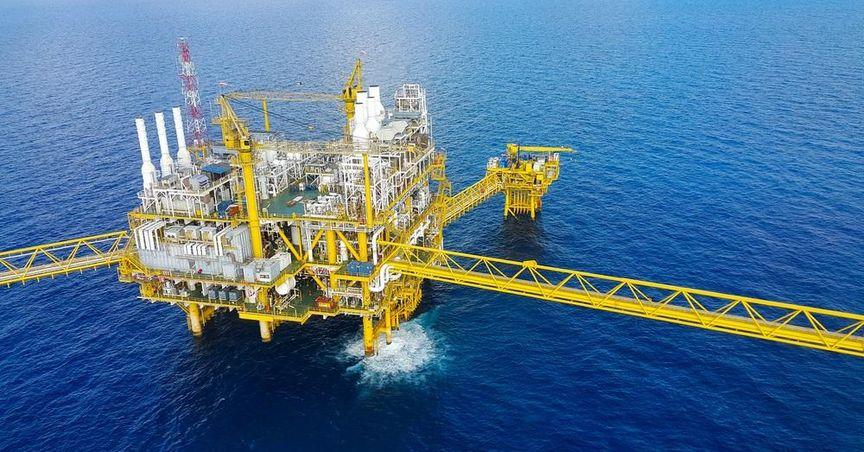
Recent developments in oil markets have influenced activity across energy companies, reflecting changes in supply conditions and global geopolitical developments. The oil sector operates within a framework shaped by production activity, transportation systems, and consumption patterns across regions.
Energy companies respond to fluctuations in supply and demand, reflecting their role in supporting industrial operations and infrastructure. The interaction between resource availability and global consumption contributes to engagement across oil producers and integrated energy firms.
Within the Indexftse Ukx, energy stocks contribute significantly to overall index movement, reflecting their global exposure. These organisations operate across multiple regions, engaging with diverse economic conditions and operational environments.
BP (LSE:BP) operates within this framework, reflecting developments in oil production, refining, and distribution. Similarly, Shell plc (LSE:SHEL) participates in global energy systems through its integrated operations across upstream and downstream activities.
Oil market activity is closely linked to sectors such as transportation, logistics, and manufacturing. Changes in these industries influence demand for energy resources, shaping engagement across the value chain.
The interconnected nature of global energy systems highlights the importance of coordination between supply, infrastructure, and consumption. Companies within this sector adapt their operational strategies to align with evolving market conditions.
Geopolitical Developments and Financial Sector Response
Geopolitical developments play a central role in shaping engagement across both energy and financial sectors. International policy decisions, regional tensions, and economic agreements influence market conditions and operational frameworks.
Energy markets are closely tied to geopolitical conditions due to their reliance on natural resources and cross-border infrastructure. Changes in geopolitical dynamics can influence supply chains and logistical networks, affecting engagement across energy providers.
Financial institutions respond to these developments through their involvement in global markets and economic systems. HSBC Holdings plc (LSE:HSBA) reflects activity within international banking frameworks, engaging with economic conditions shaped by geopolitical developments.
Within the UK equity landscape, blue-chip companies operate across regions, contributing to their responsiveness to international conditions. This global exposure allows organisations to navigate a range of external influences.
The interaction between geopolitical developments and financial systems creates a dynamic environment where companies adjust their operational approaches. This environment contributes to changes in engagement across sectors.
The influence of geopolitical conditions underscores the importance of adaptability within large-scale organisations operating in interconnected markets.
Sector Composition and Blue-Chip Market Structure
The UK equity market is characterised by its diverse sector composition, encompassing industries such as energy, financial services, healthcare, and industrials. Blue-chip companies within this framework represent organisations with significant operational scale and international presence.
Energy companies form a central component of this structure, reflecting their role in supporting economic systems through resource supply and infrastructure. Their operations are interconnected with industries such as manufacturing and transportation.
Financial institutions contribute to the market through their involvement in banking, investment, and financial services. These organisations support economic activity by facilitating capital flow and providing financial solutions.
Industrial and engineering firms participate in infrastructure development and technological advancement, contributing to various aspects of economic engagement. Their operations are linked to both energy supply and financial systems.
Within the FTSE all share, the integration of these sectors creates a comprehensive representation of economic activity. This structure highlights the interconnected nature of industries within the UK market.
Corporate activity within this framework reflects strategic priorities, operational adjustments, and responses to global developments. Companies align their activities with evolving industry trends and economic conditions.
Capital Allocation and Corporate Financial Themes
Capital allocation within blue-chip companies reflects their operational objectives and strategic direction. Energy firms allocate resources towards exploration, infrastructure, and technological development to support their activities.
Companies associated with FTSE dividend stocks contribute to structured financial frameworks, reflecting established approaches to capital management. These organisations maintain financial systems designed to support operational continuity.
Financial institutions allocate capital towards lending, investment, and service provision, supporting economic activity across sectors. Their operations are influenced by regulatory frameworks and global economic conditions.
Industrial companies invest in infrastructure and innovation to enhance productivity and operational efficiency. These investments support the development of systems that facilitate economic engagement.
Corporate governance frameworks ensure accountability and transparency within organisations, contributing to the stability of the equity market. These frameworks support effective financial management and operational planning.
The diversity of capital allocation strategies across sectors highlights the complexity of managing large-scale organisations within a dynamic environment.
Global Market Environment and Sector Integration
The global market environment continues to influence activity within the UK equity landscape, shaping engagement across sectors such as energy, finance, and industrials. Companies operating within this environment respond to a range of factors, including geopolitical developments, economic conditions, and technological advancements.
Energy companies are closely linked to global supply and demand dynamics, reflecting their role in supporting industrial and economic activity. Their operations extend across international markets, contributing to their exposure to diverse conditions.
Financial institutions support the market through their role in facilitating economic activity and investment flows. Their operations are influenced by policy frameworks and international economic developments.
Industrial and engineering firms contribute to infrastructure development and technological progress, supporting the evolution of the market. Their activities are interconnected with energy supply and financial systems.
The integration of sectors within the FTSE framework creates a dynamic environment where developments in one area influence activity across others. This interconnected structure reflects the complexity of modern economic systems.
HSBC Holdings plc (LSE:HSBA) and Shell plc (LSE:SHEL) reflect engagement within this broader environment, where financial systems and energy markets interact with global conditions to shape sector activity.
