
 AUS
AUS
 NZ
NZ
 UK
UK
 CA
CA
 USA
USA
 IND
IND





Highlights
Israel strikes Iran's South Pars gas field
Iran retaliates, targeting Qatar and Saudi facilities
U.S. considers deploying additional troops to Gulf
A significant escalation in the Middle East has disrupted global energy flows, with Iran and Israel engaged in attacks on critical gas and oil facilities. The U.S. is planning strategic responses.
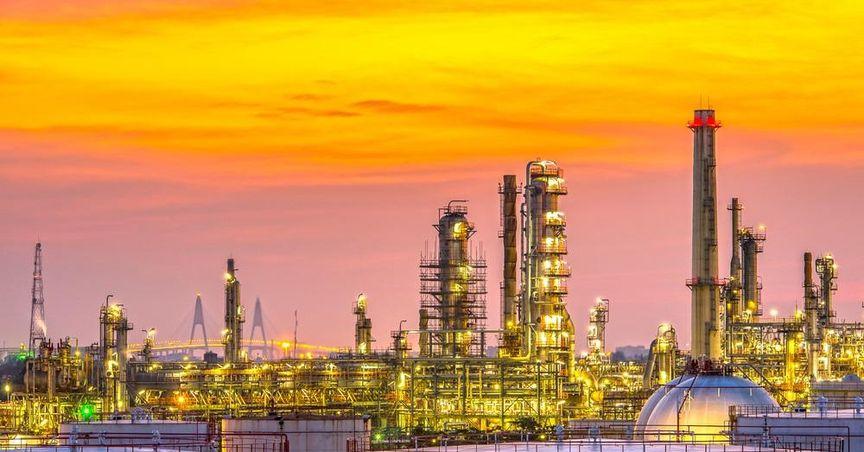
The recent LSE & FTSE stock market developments have been influenced by a dramatic escalation in the Middle East. U.S. President Donald Trump stated that Israel had "violently lashed out" against Iran's South Pars gas field, a crucial part of the global energy infrastructure. The attack has drawn attention to the vulnerability of key oil and gas facilities in the region.
South Pars, one of the world's largest natural gas deposits shared by Iran and Qatar, faced a direct strike from Israel. The U.S. clarified that it did not have prior knowledge of this operation. However, Trump warned that Israel would not engage in further attacks unless Iran retaliated against neighboring nations.
Iran responded aggressively, launching missile attacks targeting Qatar's Ras Laffan LNG facility and Saudi Arabia's gas infrastructure. QatarEnergy reported extensive damage to its gas processing facilities, which play a significant role in global energy supply chains.
Regional Impact
Saudi Arabia successfully intercepted several ballistic missiles aimed at Riyadh and an eastern gas facility. Despite these defensive measures, Iran continued its assaults, targeting both residential areas and critical energy infrastructure. The attacks prompted condemnation from the foreign ministers of 12 Muslim-majority countries meeting in Riyadh, emphasizing that Iran's actions could not be justified under any circumstances.
The UAE also reported missile interceptions at its Habshan gas facility, halting operations temporarily to ensure safety. Meanwhile, Saudi Arabia's Red Sea port of Yanbu, a key crude export outlet, experienced an aerial attack with minimal reported impact.
Global Energy Concerns
The escalation has fueled uncertainty in energy markets, raising concerns over supply disruptions. U.S. officials are considering sending additional troops to secure the Strait of Hormuz, a vital chokepoint for global oil trade. The move aims to ensure safe passage for oil tankers and stabilize the energy market.
European Union leaders are also seeking measures to mitigate rising energy costs resulting from the conflict. The disruptions in Iran's South Pars gas field and attacks on Qatar's LNG facilities have reverberated across global markets, impacting both supply and pricing.
Strategic Implications
The ongoing conflict highlights the geopolitical importance of energy infrastructure. With Iran threatening further attacks on neighboring nations and critical gas facilities, international actors are carefully monitoring developments. The escalation underscores the interconnectedness of regional stability and global energy security.
Stock Market Relevance
Investors are watching key indexes for potential impacts from the crisis. Insights on the FTSE 100, FTSE 350, and FTSE AIM 50 provide a snapshot of market reactions to geopolitical tensions, especially in energy-dependent sectors. Companies involved in gas, oil, and defense are under scrutiny as market participants evaluate risk exposure.
Looking Ahead
U.S. military support may increase in the Gulf to safeguard strategic interests, including ensuring the stability of energy routes. Iran’s stance and the potential for further regional escalation remain key factors influencing both global energy and financial markets. Analysts are emphasizing the importance of monitoring these developments closely for strategic planning and market insights.
The South Pars gas field situation exemplifies how regional conflicts can have wide-reaching economic consequences. Ongoing monitoring of Gulf energy infrastructure, diplomatic efforts, and military positioning is critical for understanding the full scope of the impact on global markets.
