
 AUS
AUS
 NZ
NZ
 UK
UK
 CA
CA
 USA
USA
 IND
IND





Highlights
- Energy companies Shell (LSE:SHEL), BP (LSE:BP.) and Centrica (LSE:CNA) influenced movement across UK equities.
- Banking, mining and consumer sectors contributed to broader activity across London-listed indices.
- Commodity-linked developments remained central to market direction across UK equities.
Energy sector movement involving Shell, BP and Centrica shaped trading sentiment across UK equities and major London market indices.
Energy sector activity remained a key feature of London equities as Shell (SHEL), BP (BP) and Centrica (CNA) shaped trading sentiment across the FTSE 100 and wider UK market structure. Movement across oil, gas and utility-linked businesses aligned with broader activity within FTSE linked instruments and the wider FTSE all share environment.
Energy Companies And Commodity-Linked Market Activity
Shell (LSE:SHEL) remained a central focus within the London equity space as oil-linked operations influenced sector movement. Activity surrounding the company reflected broader conditions across global energy markets, where crude oil and refined product dynamics often influence listed energy groups.
BP (:BP.) also remained closely aligned with movement across the energy sector. The company’s operations within exploration, refining and distribution continued to position it within the core group of oil-linked businesses shaping UK equity direction.
Centrica (:CNA) maintained relevance within the domestic energy supply segment, operating within household energy services and infrastructure-linked activities. Its role within the UK utility environment positioned it alongside other energy distribution companies contributing to broader market movement.
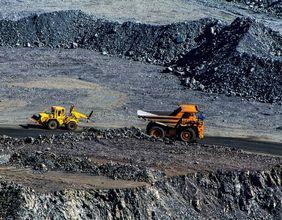
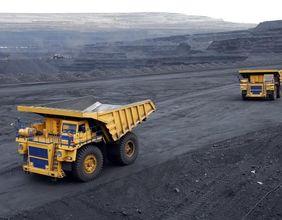
Commodity-linked companies within mining also remained active across the London market. Firms connected with industrial metals and resource extraction contributed to wider index movement as global demand conditions and industrial activity shaped sector sentiment.
The interaction between energy and mining groups remained a defining feature of UK equities during the session. These sectors often move in relation to global supply conditions, transportation routes and industrial demand cycles, creating interconnected movement across London-listed companies.
Banking And Financial Sector Activity Across UK Equities
Financial sector activity also remained a component of broader London market movement. Banking companies operating across the United Kingdom maintained attention due to their involvement in lending, corporate finance and retail banking services.
Movement within financial institutions often aligns with broader economic activity, interest rate expectations and corporate lending demand. These factors contributed to activity across major banking groups listed within UK benchmark indices.
Alongside energy-linked companies such as Shell (:SHEL) and BP (LSE:BP), financial institutions formed part of the broader market structure influencing index movement across London.
Mining companies also remained part of the wider financial landscape due to their reliance on global trade flows and industrial demand. Commodity-linked revenues often tie these firms to international economic activity, influencing their position within benchmark indices.
Consumer-linked financial services firms also remained active within the London market. Credit services, payment systems and retail banking operations contributed to broader sector participation during the session.
Commodity Influence And International Market Conditions
Commodity-linked sectors remained central to London market activity, with energy and mining companies reflecting broader international conditions. Oil-linked companies such as Shell (:SHEL) and BP (:BP.) remained closely connected with global supply developments.
International trade conditions and transport routes often influence commodity pricing dynamics, which in turn affect listed energy and mining companies within the United Kingdom. These relationships contributed to activity across benchmark indices.
Centrica (LSE:CNA) also remained linked with broader energy market developments due to its role in domestic supply and distribution networks. Utility companies often reflect changes in wholesale energy conditions and infrastructure activity.
The mining sector maintained its connection with global industrial demand, particularly across Asia, Europe and North America. Industrial metals such as copper and iron ore continued to influence company performance within the sector.
These commodity-linked movements contributed to broader activity within FTSE dividend stocks, where established companies often maintain consistent shareholder distribution frameworks.
Consumer And Industrial Sectors Within UK Market Structure
Consumer-linked companies also contributed to broader London market activity. Retail, food production and household goods companies remained active as market participants monitored domestic spending patterns.
Industrial companies within manufacturing and logistics sectors also remained relevant within the UK equity landscape. These businesses often respond to changes in energy costs, transportation demand and global supply chains.
Energy companies such as Shell (:SHEL) and BP (:BP.) remained interconnected with industrial sectors due to their role in supplying fuel and energy resources to manufacturing and transport industries.
Utility-linked companies such as Centrica (LSE:CNA) also maintained relevance across consumer and industrial sectors due to their role in domestic and commercial energy supply.
Telecommunications and healthcare sectors contributed to broader market structure within London equities. These sectors often provide stability within index composition due to their operational characteristics and demand consistency.
Broader London Market Movement And Sector Interaction
London equity markets reflected participation across multiple sectors including energy, banking, mining, consumer and utilities. The interaction between these sectors contributed to movement across major UK indices, including the FTSE 350 and related benchmark groupings.
Energy companies such as Shell (LSE:SHEL), BP (LSE:BP.) and Centrica (:CNA) remained central within this structure due to their weighting within the UK equity landscape. Their movement often aligns with broader commodity and international market developments.
Financial institutions contributed to index movement through banking operations, lending activity and corporate financial services. Mining companies added exposure to global industrial demand, while consumer sectors reflected domestic economic activity.
The London market structure remained diverse, with multiple sectors contributing to overall movement. This multi-sector participation reflects the composition of UK indices, where energy, finance, industrial and consumer companies interact within a broad market framework.
