
 AUS
AUS
 NZ
NZ
 UK
UK
 CA
CA
 USA
USA
 IND
IND

.jpg)
_05_16_2023_17_11_27_393572.jpg)



Highlights
Kore Potash (LSE:KP2) experienced a notable decline, drawing renewed market attention across the UK small-cap mining landscape.
The company’s presence in the potash-resource sector reinforced its relevance within the FTSE AIM All-Share environment.
Ongoing discussions around funding, project progress, and resource-development frameworks contributed to heightened focus on (LSE:KP2).
Kore Potash (LSE:KP2) attracted heightened focus after a sharp decline, emphasising its relevance within potash-resource development and the FTSE AIM All-Share environment.
Kore Potash (LSE:KP2) operates within the international mining and fertiliser-resource sector, focusing on the development of potash deposits used to support global agricultural productivity. These operations involve geological assessment, resource modelling, engineering design, extraction planning, environmental reviews, and long-range infrastructure studies. As a listed company within the FTSE AIM All-Share environment, Kore Potash occupies a position among small-cap UK entities pursuing specialised and resource-intensive development programmes.
The company’s operational landscape aligns with broader themes across the mining sector, where long-cycle projects, complex engineering structures, and multi-stage development frameworks shape commercial outcomes. Potash, one of the world’s most essential agricultural minerals, plays a pivotal role in enhancing soil health, improving crop resilience, and supporting environmentally aligned farming systems. Businesses operating in this segment therefore maintain strategic relevance within discussions surrounding global food security and agricultural sustainability.
Kore Potash’s classification within the UK market also connects it to wider financial discussions that include references to the broader FTSE landscape, particularly in relation to commodity-linked performance, natural-resource security, and mining-sector resilience. While the company is not part of major large-cap indices, its presence in the FTSE AIM All-Share ensures visibility within a specialised segment where exploration-stage companies, development-focused miners, and emerging-market operators are frequently highlighted.
The company’s core activity focuses on developing one of the sector’s significant potash assets. These projects require detailed geological investigation, technically advanced extraction systems, and multi-phase engineering plans. Such long-term development pathways often align closely with international agricultural supply needs, global demand cycles, and the structural transition towards sustainable farming enhancements.
In this context, Kore Potash maintains a commercial identity built around mineral development, resource-sector engineering, long-distance logistics planning, and multi-jurisdictional operational coordination. As global pressures surrounding food availability intensify, companies participating in potash-resource strategies remain central to discussions involving agricultural output, environmental-efficiency frameworks and long-term fertiliser supply.
Market Activity and Share Movement Surrounding
Recent market activity involving Kore Potash (LSE:KP2) was defined by a sharp decline, prompting widespread attention across UK small-cap mining circles. Such a notable movement is characteristic of early-stage resource-development companies, where operational updates, funding discussions, and project-execution timelines often contribute to sharp shifts in sentiment.
The visibility surrounding (LSE:KP2) increased as market participants evaluated ongoing developments related to the firm’s multi-stage mining operations. These influences commonly include engineering progress, feasibility assessments, infrastructure-route planning, and arrangements supporting project finance. Each of these areas plays a fundamental role in shaping attention levels across the FTSE AIM All-Share environment.
The company’s trading performance during this period drew attention to the inherent complexities associated with large-scale potash projects. Mining ventures involving deep-seam mineral extraction, processing facilities, port access, and transport logistics frequently operate under extended development horizons and require coordinated regional support. These characteristics make market activity surrounding such firms notably sensitive to operational updates.
Market engagement during the period was also shaped by global agricultural-sector conversations. Potash remains a critical input in modern fertiliser formulations, making the supply chain surrounding its production central to long-term agricultural planning. Discussions related to global food-production stability, farming-sector resilience, and sustainable fertiliser systems contributed further attention toward potash-development entities like Kore Potash.
Additionally, fluctuations in market conditions across the broader FTSE landscape can influence activity levels surrounding small-cap commodity firms. Although Kore Potash’s classification sits within the AIM All-Share segment, shifts in global commodity demand, fertiliser-market sentiment, and raw-material-related themes often radiate into related categories of mining, extraction, and supply-chain planning.
The share movement observed during the referenced period illustrated the sensitivity of mineral-development companies to multi-factor operational environments. These environments often involve regulatory engagements, geological studies, stakeholder consultations, long-term engineering frameworks, and cross-border collaboration. Such complexities routinely contribute to volatility across mining-sector entities, particularly those operating in emerging or infrastructure-developing regions.
Operational Framework and Potash-Development Strategy
Kore Potash (LSE:KP2) maintains a multi-disciplinary development strategy centred on advancing its major potash assets. These assets include deep-geological deposits located within a resource-rich region known for favourable mineral conditions and high-grade extraction potential. The company’s development architecture incorporates extensive engineering design, regulatory alignment, infrastructure mapping and international partnership coordination.
The operational structure supporting Kore Potash’s development activities can be understood across several interconnected elements:
Geological and Resource Evaluation
This involves stratigraphic mapping, mineral concentration assessment, core-sample interpretation, geological-structure modelling and reserve identification. Such studies inform extraction feasibility, mine-design requirements and long-term productivity expectations.
Engineering and Mine-Design Planning
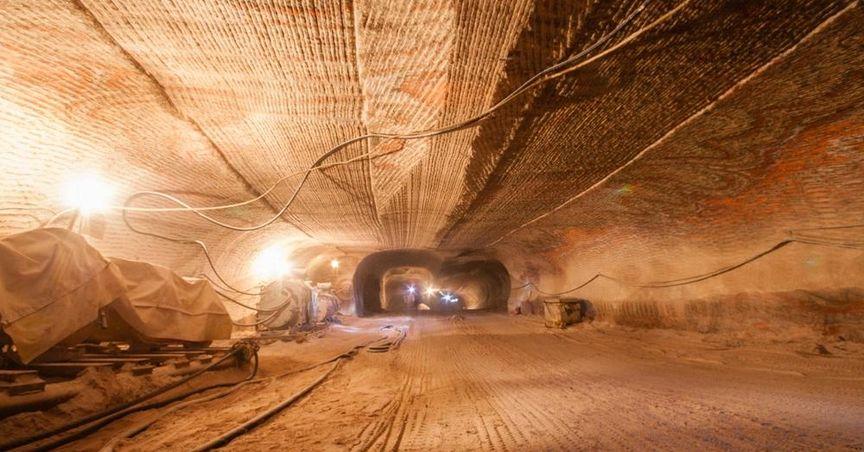
Mine-design phases require modelling of extraction corridors, shaft systems, conveyor alignment, ventilation systems, mechanical lift planning and underground safety protocols. These engineering efforts represent the backbone of future operational readiness.
Infrastructure and Logistics Development
Large potash projects require detailed consideration of access routes, transport corridors, export terminals, processing zones, energy-supply arrangements and regional logistical coordination. These systems support the long-term sustainability of extraction operations.
Environmental and Community Integration
Environmental frameworks address biodiversity preservation, water-usage efficiency, emissions-control engineering and community-development commitments. These components form an essential aspect of resource-sector compliance.
Capital Coordination and Development Sequencing
Multi-stage mineral projects depend heavily on capital frameworks designed to support exploration, engineering and construction. Structured financial planning therefore forms a critical part of Kore Potash’s development pathway.
Potash-resource projects operate within a long-cycle development paradigm, meaning tangible output requires many stages of planning, regulatory interaction and engineering refinement. Kore Potash’s strategy reflects these realities, placing emphasis on progression through clearly defined technical phases.
Through this multi-layered development process, the company aims to position itself as a future supplier of fertiliser-grade potash capable of serving international agricultural markets. The structural demand for potash, coupled with the need for diversified supply, underpins the relevance of large-scale mineral development efforts across the global agricultural sector.
Sector Influences and Market Dynamics Shaping Kore Potash’s Environment
The environment surrounding Kore Potash (LSE:KP2) is influenced by several large-scale global factors that continue to shape attention levels within the mining sector. Each factor contributes to the conditions under which potash-development companies operate.
Global Agricultural Requirements
Potash remains an essential component of fertiliser production. The mineral supports soil health, crop resilience, root strength and nutrient absorption. Stability in potash supply is therefore central to long-term agricultural planning and food-system security.
Resource-Market Conditions
Potash-related sentiment can shift based on supply chain pressures, geopolitical influences, regional production fluctuations and seasonal farming patterns. These variables play a significant role in shaping broader interpretations surrounding mineral-development strategies.
Commodity Demand Trends
Agricultural cycles, climate patterns and international trade relationships can influence potash-related commodity themes. As agricultural-sector ambitions expand across developing regions, the relevance of new potash-resource supply sources increases.
Sustainability and Environmental Expectations
Sustainable farming practices emphasise soil-health preservation and efficient fertiliser use. Potash contributes to environmentally aligned agriculture, reinforcing its strategic value.
Mining-Sector Innovation
Advances in underground mining techniques, remote-monitoring tools, safety-system upgrades and extraction-efficiency protocols continue to reshape the operational landscape for companies like Kore Potash.
Global Supply-Chain Diversification
The concentration of potash production in limited regions globally has influenced long-term strategic discussions regarding diversification. Kore Potash’s assets therefore contribute to wider international interest surrounding resource-distribution stability.
These influences help shape the operational environment in which Kore Potash advances its development plans. They also explain why potash-resource companies often gain visibility during periods of heightened global discussion surrounding food security, fertiliser availability and agricultural resilience.
Additionally, conversations surrounding savings-oriented equity models—including those referenced indirectly within FTSE dividend stocks classifications—often intersect with natural-resource discourse, as resource-backed revenue streams maintain long-standing relevance across wealth-preservation strategies. While Kore Potash does not participate in dividend-driven programmes at this stage, the thematic overlap highlights why mining companies may be discussed alongside broader financial-system considerations.
Global Agricultural Themes and Potash-Resource Relevance
Kore Potash (LSE:KP2) operates in a sector that sits at the centre of numerous global discussions surrounding food-production stability, agricultural sustainability and long-term soil-health improvement. As global population levels expand and environmental pressures intensify, potash remains a vital asset supporting crop productivity and agricultural efficiency.
The enduring relevance of potash in farming includes:
-
Maintaining soil-structure balance
-
Improving water-retention capability
-
Supporting plant-cell strength
-
Strengthening resilience to environmental stress
-
Enhancing nutrient uptake efficiency
These attributes help shape the global agricultural conversation, positioning potash-resource development as a fundamental component of long-term food-production strategy. Kore Potash’s operational focus aligns with these broader agricultural-sector priorities, placing the company within sectors tied to international food-system resilience.
Furthermore, global climate-change discussions have increased attention toward sustainable fertiliser use, improved agricultural inputs, and long-term soil-health planning. Potash plays a role in each of these categories, reinforcing the relevance of companies involved in its development.
Kore Potash’s work therefore remains part of a broader international narrative involving agricultural-sector reform, environmental-efficiency targets and the need for diversified fertiliser-resource production. This long-term alignment supports continued visibility within discussions surrounding mineral extraction, global commodity flows and sustainable farming solutions.
