
 AUS
AUS
 NZ
NZ
 UK
UK
 CA
CA
 USA
USA
 IND
IND




_06_04_2026_00_29_48_108019.jpg)

Highlights
Rio Tinto Group operates in the metals and mining sector.
Market reports reference evaluations related to Rio Tinto Group.
Company remains active in diversified global resource production.
Rio Tinto Group (LSE:RIO), listed on the FTSE 100, operates within the metals and mining sector. The company maintains a wide global presence across commodity extraction, refining, and logistics. Recent updates related to the company have been registered in various institutional summaries, presenting perspectives within the wider mining and industrial resources market.
Rio Tinto Group’s core operations span iron ore, aluminium, copper, and other industrial metals. As part of a highly cyclical sector, the company's business activities are influenced by fluctuations in commodity demand, production volume, and global industrial demand. These aspects shape the general reporting trends observed in financial records and public communication summaries involving the group.
The firm continues to engage in resource delivery across multiple continents, maintaining processing operations alongside extraction activities. Public documentation confirms the firm's ongoing investment in innovation and digital infrastructure as part of its operating model, especially in regions rich in extractable reserves.
Market Context for Resource Firms
The metals and mining sector has remained in focus due to fluctuating global output and evolving supply chain dependencies. Within this sector, companies like Rio Tinto Group are often referenced due to the diversity of materials involved and the geographical spread of operations.
Company reports indicate continuous review cycles across operational performance. These reviews are generally reflected in sector-wide updates issued to maintain transparency in resource allocation, project development, and exploration outcomes. The broader economic environment plays a significant role in how mining firms position their operations, particularly when related to industrial metals that underpin infrastructure and manufacturing.
Global logistics capacity, environmental regulation, and geopolitical accessibility also contribute to the overall framework in which such companies function. Rio Tinto Group, with an extensive footprint, is routinely included in sector discussions covering those dynamics.
Public Reporting and Operational Footprint
Rio Tinto Group publishes regular updates through scheduled releases, capturing data from its various mining operations. These updates include production levels, site development status, and joint ventures. While the company’s footprint spans several continents, much of its data reporting aligns with established calendar cycles common to large resource-based corporations.
Project execution across different territories is conducted under multiple jurisdictional frameworks, influencing the pace and scale of operational performance. The company remains involved in high-volume production for key metals and industrial materials, distributing through dedicated logistical frameworks including shipping and rail infrastructure.
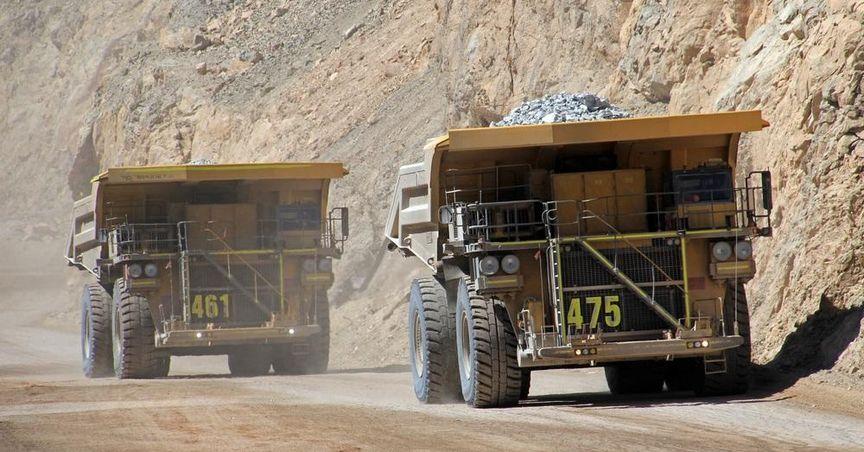
With continued investments in automation, the firm integrates advanced systems in its extraction methods. These integrations support operational continuity and help streamline energy usage across large-scale projects.
Commodity Influence and Trade Activity
The financial performance of mining firms is typically associated with commodity availability and exchange values. Rio Tinto Group’s production targets and material delivery schedules often reflect wider global industrial trends. These variables shape shipment volume and timing across its customer network.
Many firms in the mining sector adapt operations based on demand from sectors such as construction, electronics, and energy. Rio Tinto Group’s operational alignment supports output balance across its portfolio. In response to seasonal and geographic supply variations, the group continues to diversify trade connections and distribution lines.
These patterns remain consistent with the firm’s stated goals for productivity and regional infrastructure development. External reviews frequently list such data among major resource contributors within the industry.
Engagement with Sector Standards
Rio Tinto Group complies with environmental and governance protocols outlined for large-scale industrial firms. Compliance includes emission controls, community programs, and ethical sourcing measures. These standards are detailed in company disclosures and align with expectations placed on FTSE 100 firms.
The company operates under frameworks that promote sustainable development within the mining and extractive industries. This includes water resource usage, land rehabilitation planning, and biodiversity tracking systems. Documentation submitted by the firm also includes metrics connected to workforce engagement and safety benchmarks.
Reporting frequency and content follow guidelines provided to FTSE-listed companies, ensuring uniformity across public records. These obligations apply to firms engaged in mining at a scale equivalent to that of Rio Tinto Group and provide consistency for stakeholders seeking sector-based comparisons.
