
 AUS
AUS
 NZ
NZ
 UK
UK
 CA
CA
 USA
USA
 IND
IND





Highlights
Glencore maintains a central role in the global commodities industry.
The company continues to operate across mining, energy, and trading markets with broad exposure.
FTSE 100 sector activity reflects commodity-linked performance tied to resource movements.
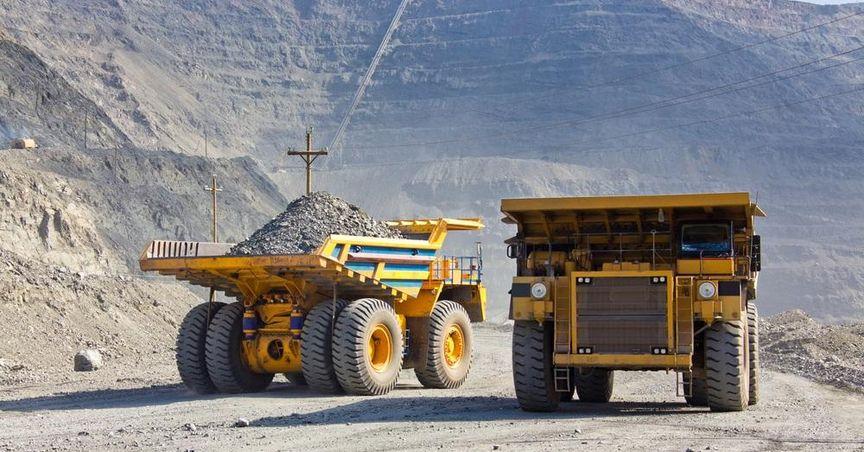
The mining sector has long been a defining component of the FTSE 100, with some of the world’s largest resource companies shaping market direction through their global reach. Glencore represents one of the most diversified businesses in this space, spanning resource extraction, commodity trading, and energy-related operations. Its activities stretch across multiple continents, ensuring its position remains significant within the index and the wider sector.
Corporate Focus and Structural Balance
Glencore (LSE:GLEN) maintains a dual structure that balances physical production with commodity trading operations. Its diversified approach includes assets in metals such as copper, zinc, and nickel, alongside coal and oil resources. Agricultural trading has also been a part of its global activities. This mix has enabled the group to remain active through varied commodity cycles, reflecting the role of resource companies in shaping broader index performance.
Operational Updates and Market Landscape
Recent updates surrounding Glencore have placed emphasis on operational continuity and corporate structure. With a global footprint, the company manages a wide portfolio of assets, each linked to shifting patterns in worldwide resource demand. Commodity markets remain a driving factor behind activity across the FTSE 100, and Glencore’s role as a diversified participant ensures that its performance is often watched closely within this broader market environment.
Resource Exposure and Industry Dynamics
The firm’s exposure across multiple commodities highlights its involvement in both traditional energy resources and materials essential for modern industries. Copper and cobalt, for example, play a central role in electrification trends, while coal and oil remain part of its established energy portfolio. This positioning allows Glencore to remain connected to both long-standing resource markets and areas tied to structural industrial shifts. The FTSE 100 has historically reflected these global dynamics, with companies like Glencore serving as anchors in the index.
Strategic Developments in a Global Context
The global commodities market is influenced by trade flows, supply chain adjustments, and demand across industrial and energy sectors. Glencore’s strategy has consistently reflected its aim to align production levels with market conditions, while also prioritising efficiencies within its trading division. Sector-wide trends, including volatility in energy demand and fluctuations in metal consumption, continue to influence performance across the mining cohort of the FTSE 100.
Frequently Asked Questions
- What does Glencore focus on within the mining sector?
Glencore focuses on metals, minerals, energy products, and trading operations across global markets. - How is Glencore connected to the FTSE 100?
Glencore is listed on the FTSE 100 as one of the largest diversified resource companies, influencing index activity through its global operations. - Which commodities are most important to Glencore?
Copper, cobalt, zinc, coal, and oil are among the most important commodities within Glencore’s portfolio.
