
 AUS
AUS
 NZ
NZ
 UK
UK
 CA
CA
 USA
USA
 IND
IND

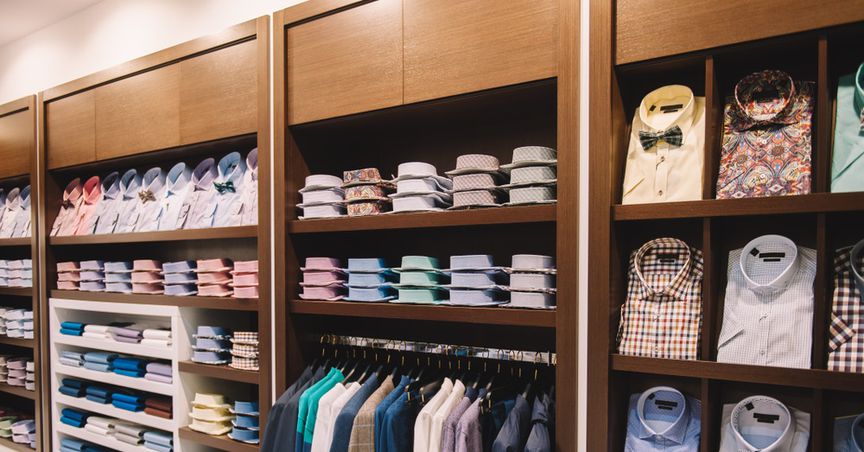




It is no secret that retail sector has been hit the hardest out of all the industries in the United Kingdom, as store closures, followed by impending rent and lease payments and huge wage bills, plus no place to keep the inventory, as warehouses have been closed in the country and the impending payments to their suppliers are some of the various issues that are being faced by this sector in the United Kingdom. This has led to a large number of companies from the retail industry to either close down or they have been put under administration, which could mean potentially shutting shop if they are not able to recover soon.
Primark, a familiar face in the British Fast Fashion industry, backed by its parent company, Associated British Foods Plc, is facing similar issues as well. The company, on 21st April 2020 reported that it had taken stock of all of its 375 offline stores in the country and studied an impact on all those stores through dynamic modelling. The company reported that it is currently facing an inventory size that is in excess to its ability to sell, especially with stores having to closed down. Against this surplus inventory, the company has had to take a write-down of around £284 million. The company also highlighted that even though its cash and liquidity are not under any threat as per dynamic modelling, but it is likely that its sales will decline rapidly, once these restrictions are lifted, and open trade begins.
With no online distribution outlet to ease the effects of shut down of its stores, the coronavirus pandemic has struck Primark hard. It operates 375 stores in Europe and the US, all of which are currently shut, resulting in loss of revenue to the tune of £650 million to zero during the passing month. During the coronavirus pandemic, the profit of different government programs has lowered its operational costs, but Primark is still having a cash outflow of about £100 million per month. It has stated that it remains in talks with landlords over its rental commitments but, despite heavy criticism from workers' rights organisations, it had softened its stance towards suppliers.
It’s not only Primark, but other big High Street names are also in the same situation, one of the other prominent names is John Lewis, which has raised its fear of sales slump of almost one third and has furloughed around 14,000 of its staffs.
Other issues that Primark faces amidst coronavirus
In just the last one month, Primark has had to deal with a large number of issues. These include 68,000 workers furloughed across Europe in one month, revenue coming down to nil. Primark's owner Associated British Foods gave specifics of the virus' devastating effects on the most profitable part of its business. On 22nd March, when Primark store closed its doors, since then it has sold little and expects to find it harder to sell its stock when it reopens because that is how the fast fashion industry works and it is difficult to sell older pieces in this industry, and the company doesn’t currently have an online presence, making it even difficult. ABF, in its half-year performance, also revealed that they took a £284 million write-down on the value of Primark's stock.
Meanwhile, Primark has committed to keep paying employees in developing countries affected after its move to suspend orders, in a move that critics dismissed as an exercise in public relations. It will finance payment of the salaries that apply to these regions, taking into account changes made in every country through the government support packages. Some of these countries where its workers will get paid include the likes of South East Asian Nations in the Indian Subcontinent.
The company had requested suppliers last month to stop production because it already had £1.6 billion of paid-for stock in its stores’’ depots and in transit, while it had no avenues to sell them, as the government had announced restrictions on any trade activities in the United Kingdom. It has also promised to still take the finished product at factories, but on payment terms extended from the normal 30 days to 180 days. However, unlike European rivals such as H&M and Inditex, it declined to pay for the cancelled orders. According to a report from Penn State University's Global Centre for Workers Rights, both they and U.S. retailers Target and PVH owners of Calvin Klein and Tommy Hilfiger have agreed to pay for production orders, rather than only the ones that are finished.
While Primark is struggling to operate, let us look at how its parent organisation Associated British Foods Plc has been coping up with the blues of the stock market due to the coronavirus pandemic.
ABF Share Price Performance

(Source: Thomson Reuters) Daily Chart as on 22 – April - 2020, before the closing of the London Stock Exchange Market
At the time of writing this report, as on 22nd April 2020, 09:00 A.M GMT, the Associated British Foods Plc stock was trading at a price of GBX 1863.50 per share on the London Stock Exchange market, a decline in the value of 0.11 per cent or GBX 2.00 per share, as opposed to the price of the stock on the previous trading day, which had been reported to be at GBX 1865.50 per share. The company’s stock was reportedly trading about 19.92 per cent above the 52-week low price which was reported to be at GBX 1554.00, which was set on March 19, 2020, while at the same time it was also trading approximate 31.74 per cent below the 52-week high price of GBX 2730.00, which was set on February 11, 2020. Associated British Foods Plc's market capitalisation was estimated to be at GBP 14.768 billion, with regards to the current market price of the company's stock.
Associated British Foods Plc's share has been reported to have lost around 25.64 per cent in value in the last twelve months since April 23, 2019, when the company’s stock was trading at a price of GBX 2506.00 per share at the time of the closing of the London Stock Exchange market. In the last six months since October 22, 2019, when the company's stock was trading at a price of GBX 2206.00 per share, the price has lost around 15.53 per cent in value. Associated British Foods Plc's share reportedly increased from the share price of GBX 1627.50 per share set by it on March 23, 2020, by about 14.50 per cent over the last one month.
At the time of writing, the beta of the firm's stock was recorded at a value of 1.10 pointing towards the fact that the company’s price movement is a bit more volatile as against the comparative benchmark index.
