
 AUS
AUS
 NZ
NZ
 UK
UK
 CA
CA
 USA
USA
 IND
IND

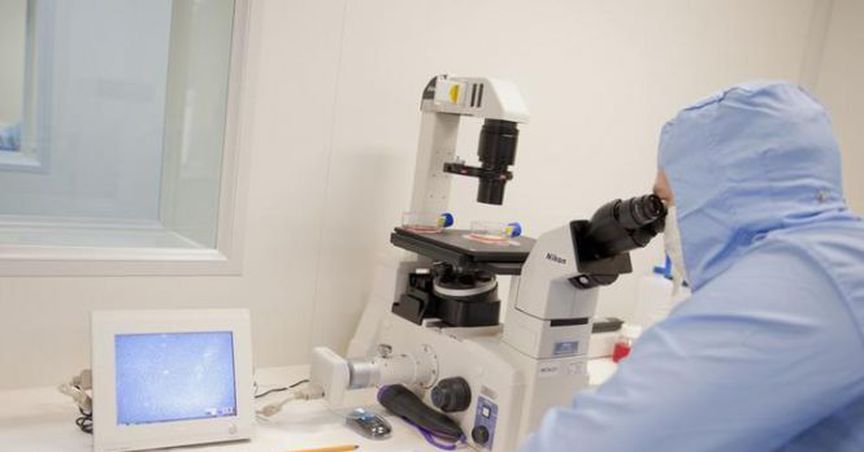





After the Deadly threats of Bird Flu, Swine flu, Zika virus and SARS, now a new global viral threat is emerging. This is being spread by what is known as Coronavirus, which is a new strain of the virus previously responsible for the SARS epidemic. First raising its head in China, it has already claimed 29 lives in the country with another 800, the possibly infected ones, under treatment. The WHO while issuing alert regarding the deadly nature of the virus termed the situation as a public emergency and also stated that the strain this time seems to be a novel one different from the one that had previously been encountered. In the Wuhan city of China where the virus has first been detected,  the Chinese officials have virtually shut down the entire public transportation system in an attempt to contain the spread of the virus and advisories are being issued to residents to limit travel and use masks whenever required. The WHO has labelled the virus as 2019-nCoV.
This in not the first time that the coronavirus has come to torment the human race. The virus is well known in the animal kingdom and has on several occasions mutated with human infecting pathogens to create epidemics. The well-known SARS epidemic of the 2003-era was the doing of a strain of this species of virus. Back then the outbreak of the epidemic had affected about 8,098 people worldwide and claimed as many as 774 lives in 17 countries and had been termed by the WHO as world epidemic threat at that time. The virus, which spreads though contact with an infected person and their respiratory droplets, till now does not have any known cure and the best possible measure against it is to avoid contact. The disease which causes severe respiratory distress takes between four to six days to fully infect a person before symptoms are fully visible.
The impact of the virus on the world economy has been massive. The virus, being contagious, discourages person to person contact and travel. Transportation of goods and services has taken a severe beating because of the outbreak taking away billion of dollars of international trade. The international airline industry has been the most affected which has seen a significant fall in the number of people flying and there has been increased health checks at airports and other such international travel terminals. The second industry to be affected the most is the food industry which has seen lesser amount of meat and related food products being traded internationally. A lot of existing stock of such food items also have had to be destroyed leading to losses of billion of dollars to businesses from affected countries. Other than that, the scare has also warranted a significant amount of money being spent on new and improved health monitoring systems and related infrastructure to protect against any future outbreak of such a virus.
The World Health Organisation and other national and international organisations of significance, working in the field of public health has taken massive steps once the potential of the dreaded virus was realised. Today the basic virus has been genetically decoded and significant work is being carried out to find ways to defeat the virus should it ever raise its head. However, it seems that the efforts in this regard are still some distance to go and the virus has yet again raised its head in China. The officials both in China and elsewhere, taking lessons from previous experiences, have already enforced measures to deal with this outbreak and are hoping that previous experiences like that of SARS will not be repeated.
Last time around that this virus had raised its head, it had been able to spread over an expanse of nearly seventeen countries killing people in countries as distant as Philippines and Vietnam and infecting people in United States of America, Canada and Republic of Ireland. This time, several countries have put restrictions on travel of its citizens to infected countries and also on citizens of infected countries from coming on a visit to other countries. The cause of public heath is taking paramount precedence over that of trade and commerce and should be happening so. For the people of different countries who have been in China in the infected areas when the outbreak happened, it is a very difficult case. They cannot stay for long in a foreign country while their own countries are reluctant to let them in for fear that they may be carrying the deadly pathogens with them, which might give rise to an epidemic in their own countries. These individuals are now being placed under enhanced observation in China and their future as of now is undetermined.
The recent spate of deadly outbreak of the Coronavirus, which is analogous to an epidemic, brings to the fore, how vulnerable the human race is to the forces of nature. Even with the massive advancements made in the field of medical science and our understanding of viruses and other deadly pathogens, nature has been able to throw at us a puzzle that, despite our best efforts, we have still not been able to find a way out of. Currently, the best way to deal with the problem is prevention and containing it to as small a geographical location as possible. As past experiences with this virus suggest, good hygiene, protective measures and common sense are the most potent measures to deal with it and through these we may be able to safeguard millions of lives.
One important aspect of this virus that has been intermittently sighted is the location of origination of this virus in China; the most sensitive regions are particularly those where animal slaughter and meat trade are rampant. Many provinces in China trade in meat belonging to many different types of exotic animals like none other in the world. This increases the risk of certain viruses that affect a particular type of animal only in order to mutate with other types of viruses and spread to other animals. In nature, such animals may not come into contact with each other so often as to give rise to danger of such viruses to mutate but such types of animal product markets, like which exist in China, provide fertile ground for such mutation. We the human race live in a protected abode within the vastness of nature, a small segment that we have carved for ourselves; our bodies are well accustomed to the set of facets unique to this abode. Trying to expand the boundaries of this abode will not only bring with it challenges but also exigencies that we may not be prepared to handle. Coronavirus is one of those challenges.
The United Kingdom during the outbreak of the SARS epidemic had only one infected case in the Republic of Ireland and the country had taken unprecedented measures to protect its citizens from the epidemic. This time around also adequate measures are in place and the country as well the rest of the world is better prepared to deal with this virus.
Â
