
 AUS
AUS
 NZ
NZ
 UK
UK
 CA
CA
 USA
USA
 IND
IND




The world is feeling the tremors of the most severe economic shock in recent times. The outbreak of Covid-19 and plummeting oil prices have literally pummelled the global economy. The pandemic which originated in China and spread to all across the world in just a month’s time has wreaked havoc. As per the World Health Organisation (WHO), due to the pandemic outbreak, nearly 200 thousand people have died across the world. Furthermore, last week, the crude recorded negative prices, was not at all expected. The crude was largely impacted due to demand and supply factors.
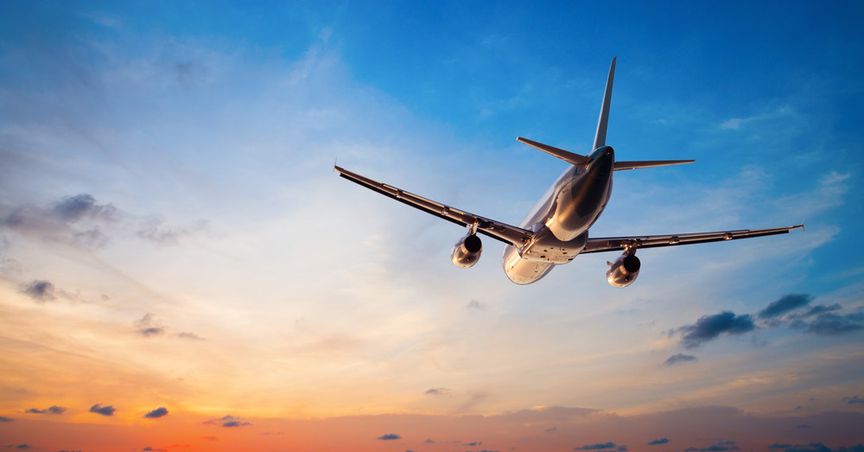
As per the industry experts, the United Kingdom is likely incurring huge losses due to the shutdown of the aviation and cruising sector due to the novel coronavirus crisis. According to the International Air Transport Association (IATA), the sector is likely to witness a plunge of 55 per cent or $314 billion in 2020 in comparison to 2019. The airline sector contributes nearly £40 billion to the British economy, but together with an estimated loss of £21.1 billion revenue and 140 million lesser journeys, United Kingdom is one of the worst affected countries in the world. In addition, IATA expects that the devastating virus would further lead to 6.7 million job losses.
The airline industry is going through a tough phase and is under an unprecedented crisis. According to IATA, the airline carriers are likely to incur £72 billion losses collectively; now it is being said that the airline carriers desperately need fiscal and regulatory support from the governments. IATA also called upon amending the refund rules to ensure the liquidity of the system. Earlier it had proposed to offer cash vouchers instead of refunding cash for flight cancellations. Nearly 3.8 million flights have been cancelled till 30th June.
On the same time, the shutdown of cruise operations will also have a catastrophic effect on the world. The cruise industry supports over 1.17 million jobs worldwide and generates more than $150 billion per year in global economic activity, as per the Cruise Lines International Association (CLIA).
For a period of three months of suspension, the anticipated impact of the industry on the British economy would lead to loss of 14,000 jobs and £2.37 billion monetary losses. As per the estimates of the Cruise Lines International Association, with each day of the shutdown, nearly 200 jobs are lost in the United Kingdom. Due to timely adoption of health measures and stricter policies, the cruise ships of the CLIA member fleet were not affected by the outbreak of the novel coronavirus. Presently the health and safety of people, and its employees remains the top priority of the sector.
Airlines and Cruises are related to most of the sectors from agriculture to transportation, from tourism to hospitality, and from manufacturing to supply. Markets like the UK, which had pre-existing scenarios of volatilities such as the Brexit and general elections, are deeply impacted by the coronavirus outbreak. The International Monetary Fund (IMF), which is a global entity to promote economic growth, in its most recent forecast suggested a global growth rate of minus 3 per cent in 2020. According to the IMF, this is the worst recession that the world has seen since the Great Depression.
The global meltdown of the stock markets has occurred at a frightening pace; this kind of catastrophe was seen last on Black Monday in October 1987. On this day, major world markets like the US, UK and Australia were the worst affected markets. However, just one month later, in November 1987, the markets recovered steadily. Even in the global financial crisis of 2008, the S&P 500 was down by 30 per cent in a year’s time. However, this time, the Covid-19 outbreak led to a fall of such pace in just one month. Usually, markets tend to recover with higher volatility and at a slower pace.
What can we expect now?
The current decline in economic activity is basically the impact of the total business shutdown and a collapse in supply and not because of demand collapse. It is also being said that with strong balance sheets and robust business continuity models in place, the companies are in much healthier shape than in the global financial crisis of 2008-09.
However, certain sectors of the world economy are likely to suffer, the most being the travel, restaurants & pubs, entertainment & leisure, these are the sectors which are now looking back to resume operations; however, few of the entities from these sectors might even collapse, and others might seek consolidation in order to survive.
To limit the damage and improve liquidity in the markets, the governments and central banks are easing monetary policies and encouraging fiscal expansion almost everywhere. Interest rates have fallen to a historical low level, causing real problems for insurance companies and pension funds trying to match returns with their guarantees to policyholders and pensioners.
The WHO had recently notified that the worst has yet to come, we are likely to see more panic among the investors and enhanced volatility in the markets. It is a foregone conclusion that the Travel & Leisure industry is likely to suffer the most this quarter with the coronavirus induced lockdown and social distancing into effect since the last ninety days. The Airlines and the Ships, specifically the cargo carriers, are still operational and are keeping the world safe by making the supplies of the essentials up and running, making the lockdowns successful. But amid all this chaos, what can they are expecting now is support from the government in terms of bailout packages, tax reliefs, waiver of parking charges and easy access to loans and corporate bonds.
Experts believe that post the travel restrictions scenario, the governments across the world would gradually ease the restrictions in domestic travel followed by international travel. The world would have to rely heavily on these carriers for restoring the global economy. A prudent approach to resurrect the dynamics of this sector would be crucial. These industries are currently witnessing the worst of times, and it is equally important to regain consumer confidence in the post Covid-19 scenario. Now, to regain consumer confidence, the airport infrastructure needs to be finetuned by deploying new health checking measures. Social distancing and the lockdown measures were the only possible option for the governments to exercise in this time of crisis. Therefore, the carriers were left with no other choice to suspend operations. Both the airline carriers and cruises await guidance from international and national authorities to be back on the recovery path after a long pause.
