
 AUS
AUS
 NZ
NZ
 UK
UK
 CA
CA
 USA
USA
 IND
IND






Highlights
- North American rail operator connecting Canada, the United States, and Mexico through an integrated freight network.
- Recent corporate update referenced a notes offering intended for refinancing and general corporate purposes.
- Rail infrastructure forms a central component of continental trade and cargo movement.
Detailed look at Canadian Pacific Kansas City rail transportation systems and cross-border freight corridors within the broader S&P TSX 60 Index market environment.
Rail transportation plays a crucial role in North American freight movement, connecting industrial centers, agricultural regions, and major ports across the continent. Canadian Pacific Kansas City operates within this transportation sector through a rail network that links Canada, the United States, and Mexico. Market activity surrounding major transportation companies often intersects with benchmarks such as the S&P TSX 60 Index, which includes large Canadian corporations across sectors including transportation, energy, financial services, and telecommunications.
Integrated Rail Network Across North America
Canadian Pacific Kansas City (TSX:CP) operates a transnational railway system spanning key economic corridors across North America. Rail lines connect major industrial regions with agricultural areas and shipping ports, enabling the movement of bulk commodities and manufactured goods across long distances.
The rail network includes freight routes used to transport grain, energy products, automotive components, consumer goods, and industrial materials. Rail transportation offers an efficient method for moving large cargo volumes between production regions and distribution hubs.
Integration of railway infrastructure across Canada, the United States, and Mexico allows freight to move along continuous routes without the need for multiple rail operators. This cross-border rail system supports international trade flows and logistical coordination among industries located across the continent.
Rail terminals positioned along the network facilitate cargo transfer between railcars, trucks, and shipping containers. These facilities allow goods to transition between transportation modes while maintaining efficient distribution channels.
Freight Transportation and Cargo Categories
Railways transport a diverse range of commodities that form the backbone of North American supply chains. Agricultural shipments represent a significant component of rail cargo, including grain and related products transported from farming regions to export terminals.
Energy related cargo also travels through rail networks. Petroleum products, refined fuels, and liquefied gases move through specialized railcars designed to transport these materials safely across long distances.
Industrial cargo categories include metals, construction materials, automotive parts, and machinery components. Railways support manufacturing supply chains by moving raw materials to production facilities and delivering finished goods to distribution centers.
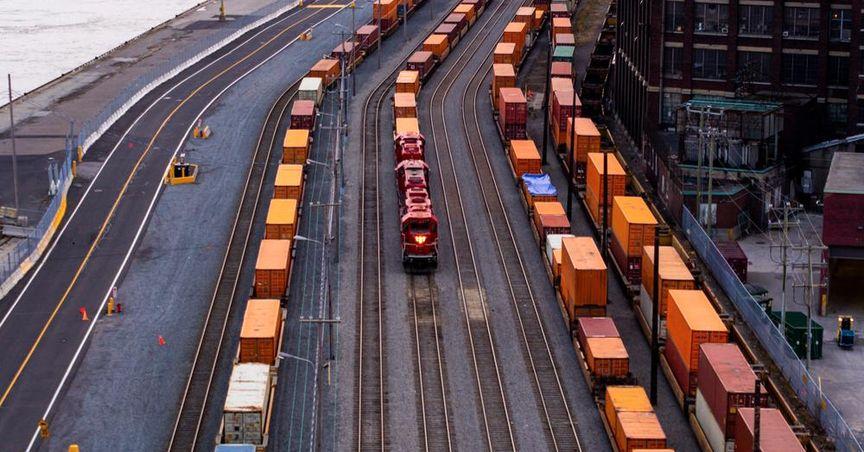
Canadian Pacific Kansas City (TSX:CP) also transports intermodal cargo consisting of containers that transfer between ships, trucks, and trains. Intermodal shipping allows goods arriving at seaports to travel inland via rail before distribution through regional trucking networks.
Rail Infrastructure and Logistics Systems
Rail transportation requires extensive infrastructure that includes track networks, switching yards, maintenance facilities, and signaling systems. Railways maintain thousands of kilometers of track that connect cities, industrial parks, and transportation hubs.
Switching yards serve as operational centers where railcars are organized into trains based on destination routes. Rail operations staff coordinate the movement of freight trains across these networks to ensure efficient cargo delivery.
Maintenance facilities located throughout the network support railcar inspections, locomotive servicing, and track repairs. These facilities maintain operational reliability across the railway system.
Logistics systems coordinate train scheduling, cargo routing, and railcar allocation across the network. Digital platforms track shipments and manage freight flows across complex transportation corridors.
Within Canadian capital markets, transportation companies operating major infrastructure networks often appear within benchmarks such as the s&p 60 index, reflecting the importance of railways in national and continental economic activity.
Cross-Border Trade Corridors
North American trade relies heavily on transportation infrastructure capable of moving goods across international borders. Rail networks form a key component of these trade corridors by linking production centers across Canada, the United States, and Mexico.
Canadian Pacific Kansas City (TSX:CP) operates rail lines that extend across these regions, enabling freight to travel between countries through continuous rail routes. Such connections support trade involving agricultural exports, industrial materials, and consumer products.
Border crossing facilities along railway corridors coordinate customs procedures and cargo inspections required for international shipments. These processes ensure compliance with trade regulations governing cross-border transportation.
Railways serving international routes also coordinate with seaports and inland logistics centers that handle containerized cargo arriving from overseas markets. Intermodal terminals facilitate transfers between rail lines and ocean shipping networks.
Through these integrated systems, rail transportation contributes to continental supply chains connecting producers, manufacturers, and distribution centers.
Corporate Financing and Infrastructure Development
Railway operations require substantial capital for infrastructure maintenance, network expansion, and equipment acquisition. Corporate financing activities occasionally include debt offerings used to refinance existing obligations or support general operational needs.
Recent communication from Canadian Pacific Kansas City (TSX:CP) referenced a notes offering intended to refinance existing financial obligations while supporting broader corporate purposes. Financing initiatives of this nature often accompany ongoing infrastructure investment programs within the railway sector.
Rail companies regularly allocate resources toward track upgrades, locomotive technology, signaling improvements, and terminal modernization. These initiatives help maintain operational efficiency across large transportation networks.
Long term infrastructure management also includes track renewal programs and equipment replacement cycles designed to ensure safe and reliable freight movement across railway corridors.
