
 AUS
AUS
 NZ
NZ
 UK
UK
 CA
CA
 USA
USA
 IND
IND






Highlights
- Rail transportation network supporting industrial supply chains
- Operations spanning freight, logistics, and cross border connectivity
- Longstanding role within Canada’s transportation sector
An in depth look at Canadian National Railway business activities, rail network operations, and positioning within the S&P TSX Index and Canadian industrial landscape.
The industrials sector forms a central pillar of Canadian economic activity, encompassing transportation, logistics, and infrastructure services that support trade and manufacturing. Within this sector, companies included in the S&P TSX Index represent established participants in national and continental commerce. Canadian National Railway operates within this framework as a rail transportation provider, aligning business activities with the structure of the s&p tsx composite and the broader s and p tsx index classification.
Rail Transportation Sector Overview
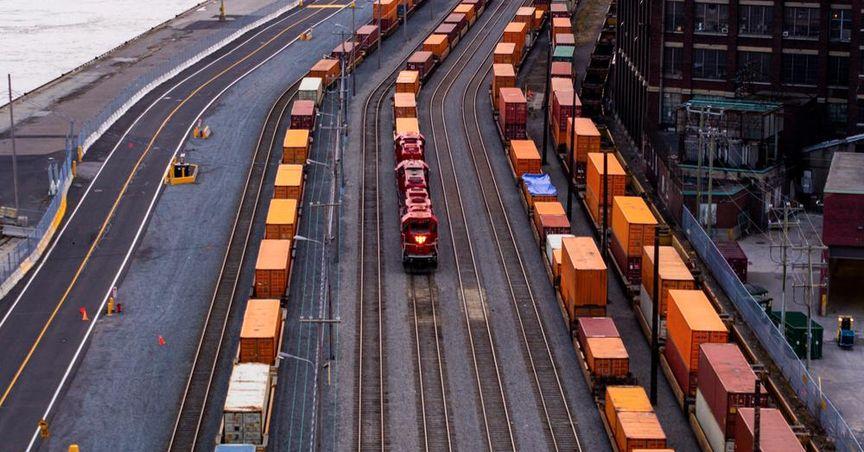
Rail transportation plays a foundational role in the movement of bulk commodities, manufactured goods, and consumer products across long distances. This sector supports industrial output, agricultural distribution, and international trade by offering efficient land based freight solutions. Canadian National Railway (TSX:CNR) functions within this environment through an extensive rail network that links production regions with ports, urban centers, and border crossings.
Sector characteristics include capital intensive infrastructure, long asset lifecycles, and coordination with multiple industries. Canadian National Railway reflects these characteristics through network scale, operational integration, and service diversity across freight categories.
Core Business Activities
Canadian National Railway (TSX:CNR) provides rail transportation services focused on freight movement across North America. Operations include the handling of natural resources, industrial inputs, manufactured goods, and finished products. These activities support a wide range of sectors, including energy, forestry, agriculture, automotive, and consumer goods.
Service offerings extend beyond rail haulage to include intermodal solutions and logistics coordination. Canadian National Railway integrates rail services with terminals and transfer points, enabling efficient movement between rail, road, and maritime channels.
Network Reach and Geographic Footprint
The rail network operated by Canadian National Railway (TSX:CNR) connects key economic regions across Canada and the United States. Routes link eastern and western coastal areas with central industrial corridors and southern markets. This geographic reach supports cross border trade and domestic distribution.
Network design emphasizes connectivity between resource producing regions and consumption centers. Canadian National Railway (TSX:CNR) maintains access to ports and inland hubs, facilitating the flow of goods across international and regional supply chains.
Operational Model and Infrastructure
Rail operations rely on coordinated scheduling, asset management, and safety focused practices. Canadian National Railway (TSX:CNR) manages locomotives, railcars, and track infrastructure to support continuous freight movement. Maintenance programs and operational planning form key elements of this model.
Infrastructure includes mainline routes, branch lines, yards, and terminals designed to handle diverse cargo types. Canadian National Railway aligns infrastructure use with demand patterns across industrial sectors, ensuring network efficiency and reliability.
Role Within Canadian Equity Markets
Canadian National Railway (TSX:CNR) holds a prominent position within Canadian equity markets through inclusion in the s&p tsx index. This association places the company among leading publicly listed enterprises representing core sectors of the national economy.
Participation within benchmark frameworks reflects market presence and sector relevance rather than directional indicators. Canadian National Railway contributes to the industrials weighting within these benchmarks, reinforcing its classification as a key transportation provider.
Industry Environment and Regulatory Context
Rail transportation operates within regulatory environments governing safety standards, environmental practices, and service obligations. Canadian National Railway (TSX:CNR) conducts operations under regulatory oversight applicable across jurisdictions served by the network.
Compliance with safety protocols and environmental requirements forms an integral part of rail operations. Industry standards address track maintenance, equipment condition, and operational procedures designed to support secure and reliable transportation services.
Logistics Integration and Customer Segments
Customer segments served by Canadian National Railway (TSX:CNR) span multiple industries with varying transportation needs. Bulk shippers, manufacturers, and distributors utilize rail services for long haul freight movement. Intermodal customers combine rail with trucking and maritime transport to optimize logistics flows.
Logistics integration focuses on coordination across modes and terminals. Canadian National Railway (TSX:CNR) supports this integration through scheduling systems and service planning aligned with customer supply chains.
Sustainability and Operational Practices
Rail transportation is often associated with efficiency advantages in long distance freight movement. Canadian National Railway (TSX:CNR) operates within industry frameworks that emphasize fuel efficiency, emissions management, and responsible land use.
Operational practices include investment in equipment modernization and network optimization. These practices support alignment with evolving environmental standards and community expectations associated with large scale transportation infrastructure.
Competitive Landscape
The rail transportation sector includes a limited number of network operators due to high infrastructure requirements. Canadian National Railway (TSX:CNR) operates alongside other rail providers within North America, each serving distinct corridors and markets.
Competition occurs across service reliability, network access, and logistics integration. Industry dynamics are shaped by trade flows, industrial activity, and transportation demand patterns across regions.
Historical Context and Sector Contribution
Railways have historically played a central role in Canada’s economic development by enabling resource extraction and market access. Canadian National Railway (TSX:CNR) continues this legacy through ongoing freight operations that support national and continental commerce.
Sector contribution extends beyond transportation to include employment, infrastructure development, and support for export oriented industries. These contributions form part of the broader industrials sector within Canadian markets.
