
 AUS
AUS
 NZ
NZ
 UK
UK
 CA
CA
 USA
USA
 IND
IND





Highlights
- Canadian National Railway operates within North America’s rail transportation and logistics sector.
- The company manages an extensive rail network connecting key industrial and trade corridors.
- Transportation firms of this scale are often associated with benchmarks such as the s&p composite index.
Rail transportation forms a critical component of North America’s logistics and supply chain infrastructure. Canadian National Railway Company (TSX:CNR) operates as a major rail network provider, facilitating the movement of commodities and manufactured goods across vast geographic regions. Transportation enterprises of this scale frequently appear in discussions related to the s&p composite index, which reflects corporate activity across sectors including industrials, energy, and financial services. The inclusion of transportation companies within this benchmark highlights their importance in supporting trade and economic connectivity.
Canadian National Railway Company maintains a transcontinental rail system that connects Canada’s eastern and western coasts with major industrial regions in the United States. Through this network, the company transports a wide range of cargo, including natural resources, manufactured products, and consumer goods. Rail transportation plays a central role in linking production centers with distribution hubs, enabling the efficient movement of goods across long distances.
Rail Network Connecting North American Markets
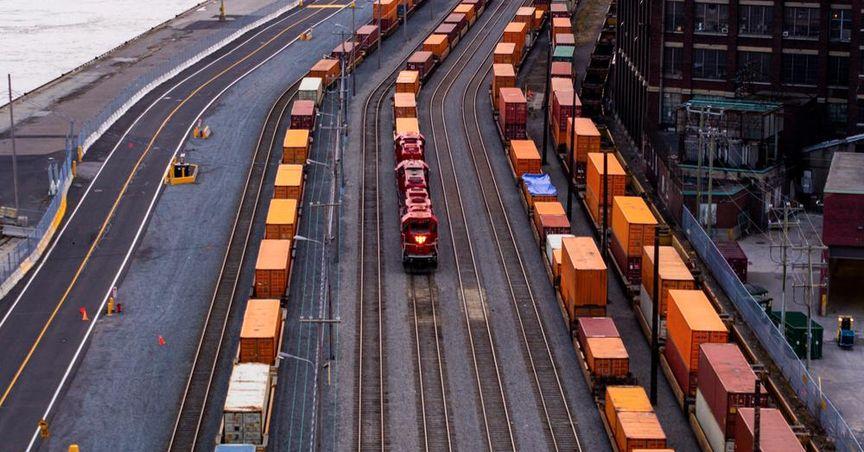
Rail infrastructure operated by Canadian National Railway spans extensive distances across North America. This network links ports, industrial facilities, and urban centers, forming an integrated transportation corridor that supports domestic and cross border trade. Rail lines extend from coastal regions to inland markets, creating pathways for goods to move between production zones and consumption centers.
The network connects major ports on both coasts, allowing goods arriving by sea to transition into rail transportation for inland distribution. This intermodal capability supports global trade by linking maritime shipping routes with inland rail corridors. Connections to the United States Midwest and Gulf Coast further expand the reach of the network, enabling transportation across key economic regions.
Canadian National Railway Company plays a significant role in maintaining these connections. Rail operations include freight transportation services supported by terminals, switching yards, and logistics facilities. These components function together to ensure the smooth movement of goods across the network.
Freight Transportation Across Diverse Commodity
Rail transportation involves the movement of a wide variety of commodities and finished products. Canadian National Railway handles shipments that include agricultural products, forest resources, energy commodities, industrial materials, and consumer goods. Each category of freight requires specific handling processes and logistical arrangements.
Bulk commodities such as grain, coal, and petroleum products are transported using specialized railcars designed for large volume shipments. Intermodal containers, which can be transferred between ships, trucks, and trains, enable efficient transportation of manufactured goods and consumer products. This versatility allows rail transportation to accommodate diverse supply chain requirements.
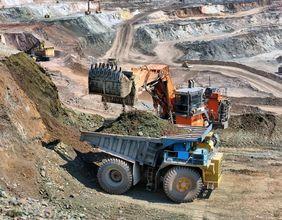
Transportation services also support industries such as mining, agriculture, and manufacturing by connecting production facilities with domestic and international markets. Rail networks enable efficient long distance transportation, which is particularly important for industries that rely on large scale movement of raw materials and finished goods.
Role in Trade and Economic Connectivity
Rail transportation plays a key role in supporting economic activity by connecting production areas with markets. Goods transported by rail contribute to supply chains that span agriculture, manufacturing, energy production, and consumer distribution. Efficient transportation networks enable industries to access raw materials and deliver finished products to customers.
Canadian National Railway’s network supports trade flows between Canada and the United States. Cross border rail corridors facilitate the movement of goods between the two countries, contributing to regional economic integration. Rail connections to ports also support international trade by linking inland production areas with global shipping routes.
The presence of large transportation companies within benchmarks such as the s and p tsx composite index reflects their importance in sustaining economic infrastructure. Rail systems provide a cost effective method of transporting large volumes of goods, supporting industries that depend on reliable logistics networks.
Operational Scope and Logistics Services
Rail transportation services extend beyond the movement of goods along tracks. Logistics operations include scheduling, route planning, cargo handling, and coordination with other transportation modes. Intermodal services enable goods to transition between rail, truck, and maritime transportation, creating a flexible logistics network.
Canadian National Railway integrates these services into its operational framework. Coordination between rail operations and intermodal facilities ensures efficient handling of freight throughout the supply chain. This integration allows goods to move seamlessly across different transportation systems, supporting complex logistics requirements.
The scale of operations managed by Canadian National Railway reflects the importance of rail transportation within North America’s infrastructure network. Through extensive rail lines and logistics services, the company contributes to the movement of goods across diverse industries and geographic regions.
Infrastructure Supporting Rail Operations
Rail transportation depends on a complex infrastructure network that includes tracks, signaling systems, terminals, and maintenance facilities. Tracks form the backbone of the system, providing pathways for trains to move across regions. Signaling systems ensure safe and coordinated movement of trains across shared rail lines.
Terminals and yards serve as hubs for sorting and transferring freight between trains. These facilities manage the assembly and disassembly of trains, enabling cargo to be routed efficiently to its destination. Maintenance facilities support the upkeep of locomotives and railcars, ensuring operational reliability across the network.
Canadian National Railway (TSX:CNR) operates infrastructure that integrates these components into a cohesive transportation system. The scale of this infrastructure allows the company to manage high volumes of freight movement across extensive distances while maintaining coordination across multiple operational regions.
