
 AUS
AUS
 NZ
NZ
 UK
UK
 CA
CA
 USA
USA
 IND
IND






Highlights
- Agricultural machinery sector adapting through technology and operational restructuring
- Vegetation management equipment remains central to sector demand patterns
- Manufacturing adjustments shaping operations at
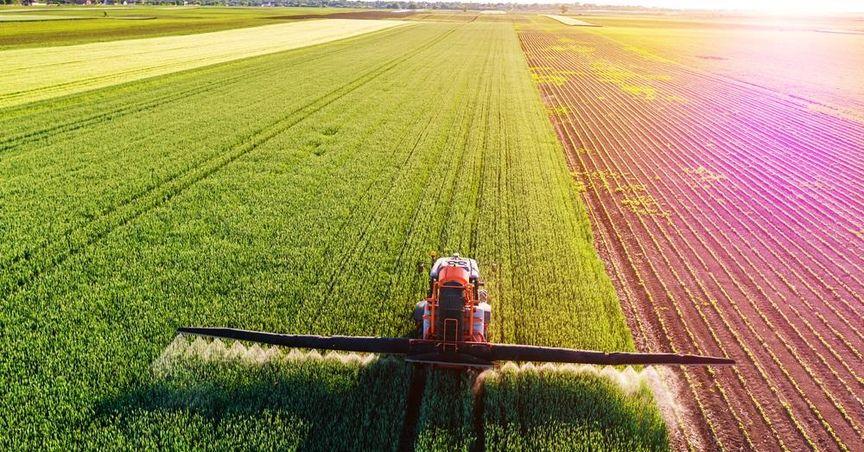
The agricultural machinery sector forms a vital component of modern farming systems across Canada and globally. Equipment producers support vegetation control, land maintenance.
Alamo Group Inc operates within the agricultural machinery sector, a field that supports broad agricultural operations through specialised equipment built for field performance and infrastructure upkeep. Across this industry, manufacturers develop machinery for vegetation management, roadside clearing, and rural infrastructure support. These products are used by agricultural producers, public agencies, and industrial operators involved in land maintenance. Alamo Group Inc, listed as (NYSE:ALG), remains part of this landscape through equipment designed for demanding outdoor applications, while the broader market context also connects with the NYSE Composite.
Among the companies operating within this space, maintains a presence through the design and production of vegetation management and infrastructure maintenance equipment. The company’s machinery serves municipal services, agricultural operators, and industrial users responsible for maintaining roadsides, land corridors, and agricultural landscapes. Sector activity during the latest reporting period reflected operational adjustments across multiple manufacturers as demand patterns shifted alongside broader agricultural cycles.
Agricultural Equipment Sector Dynamics
Agricultural machinery manufacturing remains closely linked to seasonal farming cycles and regional environmental conditions. Equipment demand frequently aligns with planting periods, vegetation management needs, and maintenance of rural transport corridors. Producers of mowing systems, boom equipment, and heavy vegetation cutters continue to supply machinery designed to manage roadside vegetation, agricultural fields, and industrial landscapes.
Within this environment, manufacturers emphasise the integration of advanced engineering systems that improve equipment precision and operational durability. Machinery design often focuses on enhanced control systems, improved structural resilience, and connectivity features that allow equipment operators to monitor machine activity and operational efficiency. These developments aim to support agricultural productivity while maintaining reliability in demanding field conditions.
Vegetation Management Equipment Focus
Vegetation management machinery forms a significant portion of equipment produced by companies operating in this segment. Mowers, rotary cutters, boom arms, and roadside clearing tools help maintain agricultural fields and public land corridors. These machines perform tasks such as roadside vegetation clearing, brush management, and maintenance of agricultural property boundaries.
Operations at (NYSE:ALG) include manufacturing equipment that serves both agricultural operators and public works departments responsible for maintaining roadside environments. Municipal infrastructure teams frequently utilise vegetation management equipment to manage vegetation growth along transport corridors. Equipment durability, operational efficiency, and compatibility with heavy duty tractors remain key considerations within this machinery category.
Manufacturing Adjustments Industry Wide
Manufacturers across the agricultural machinery industry periodically modify production structures in response to shifting operational needs. Facility adjustments, equipment upgrades, and changes within organisational frameworks allow companies to refine manufacturing processes and distribution channels.
Recent developments connected to included manufacturing restructuring actions and operational refinements designed to streamline production capabilities. Adjustments within manufacturing facilities aim to enhance operational efficiency while aligning production capacity with equipment demand across vegetation management and infrastructure maintenance segments. These actions reflect broader industry patterns in which machinery producers revise production strategies to maintain consistent output quality.
Infrastructure Maintenance Machinery Role
Infrastructure maintenance machinery supports land management tasks extending beyond agricultural fields. Equipment used for roadside vegetation management, brush removal, and terrain clearing helps maintain safe transport routes and public land access corridors. This machinery often operates in cooperation with public works departments, transportation agencies, and rural land managers.
The equipment portfolio associated with includes machines designed to handle large scale vegetation removal and roadside corridor maintenance. Such machinery must operate in diverse terrain environments ranging from agricultural landscapes to roadside embankments and municipal land corridors. Structural durability, hydraulic control precision, and adaptability across multiple tractor platforms contribute to operational effectiveness in these environments.
Technology Integration Machinery Design
Advances in agricultural machinery engineering increasingly incorporate digital monitoring systems and automated functionality. Equipment designers develop integrated systems capable of monitoring machine performance, operating conditions, and equipment maintenance requirements. These technological features assist operators in managing equipment usage across large land areas.
For manufacturers including (NYSE:ALG), technological integration remains an important element within equipment development strategies. Machinery systems frequently include advanced control interfaces that allow operators to adjust cutting height, rotation control, and machine positioning with greater precision. These innovations enhance equipment usability in complex field environments where consistent vegetation control remains necessary.
Global Agricultural Operations Context
Agricultural machinery producers operate within a broader global agricultural environment shaped by environmental conditions, regional crop cycles, and land management requirements. Weather patterns, soil conditions, and seasonal vegetation growth influence the demand for machinery capable of managing fields, roadside environments, and agricultural infrastructure.
Within this international agricultural framework, companies such as supply equipment used by operators responsible for maintaining agricultural land and vegetation corridors. Equipment performance must remain reliable across diverse climates and terrain types. Machinery durability and operational adaptability remain essential characteristics for manufacturers serving agricultural and infrastructure maintenance markets.
Commercial Equipment Distribution Networks
Distribution networks play a central role in delivering agricultural and vegetation management equipment to regional markets. Manufacturers coordinate with equipment dealers, service providers, and regional distributors to ensure machinery availability across farming communities and municipal service sectors.
The distribution system connected with supports the delivery of vegetation management machinery across agricultural regions and municipal infrastructure operations. Equipment dealers assist customers through equipment setup, operational training, and maintenance services. These distribution relationships support the continued operation of machinery used in roadside maintenance and agricultural land management activities.
Agricultural Machinery Industry Transition
The agricultural machinery sector is moving through a period of steady change, shaped by advancing technology, operational realignment, and evolving equipment needs. Manufacturers are refining production processes, broadening product portfolios, and incorporating modern engineering features into machinery design, while remaining closely watched alongside broader market indicators such as nyse composite today.
Operational developments associated with (NYSE:ALG) reflect ongoing transitions within the agricultural equipment landscape. Machinery design improvements, facility adjustments, and expanded product development initiatives highlight how manufacturers respond to changing operational demands across agriculture and land management sectors. Equipment reliability, performance durability, and adaptability remain core priorities for companies operating within this industry.
