
 AUS
AUS
 NZ
NZ
 UK
UK
 CA
CA
 USA
USA
 IND
IND






Highlights
- Martinrea International operates within the automotive manufacturing and industrial components sector.
- Core production includes metal components, fluid systems, and structural modules for vehicles.
- Market activity surrounding industrial manufacturers often aligns with movements tracked by the Tsx Small Cap Index.
Canada’s manufacturing and industrial sector plays a vital role in supplying components to global automotive production networks. Within this environment, Martinrea International Inc. (TSX:MRE) functions as a producer of engineered metal parts and fluid management systems used by automotive manufacturers. Industrial companies of this nature are often discussed in connection with benchmarks such as the Tsx Small Cap Index, which reflects activity among emerging and mid sized enterprises across various sectors. The inclusion of industrial manufacturers within such benchmarks highlights the importance of component production in supporting broader manufacturing ecosystems.
Martinrea International Inc. focuses on designing, developing, and manufacturing metal components and systems that are integrated into vehicle structures. These components include aluminum engine blocks, suspension assemblies, chassis modules, and fluid systems that support vehicle performance. Operations are aligned with the needs of automotive manufacturers seeking precision engineered components for assembly processes.
Automotive Component Manufacturing Framework
Automotive manufacturing relies on a complex supply chain consisting of component producers, assembly plants, and distribution networks. Component manufacturers supply essential parts that form the structural and functional elements of vehicles. These parts must meet strict engineering specifications to ensure compatibility with vehicle platforms and safety requirements.
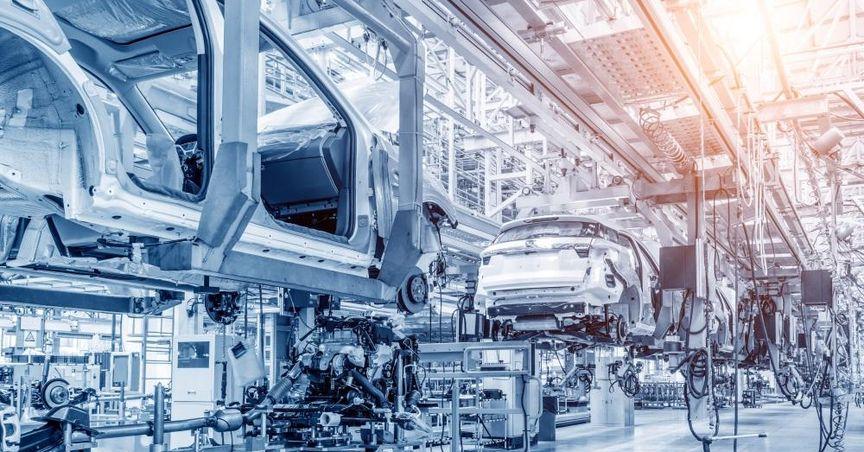
Martinrea International Inc. participates in this supply chain by producing components that support both structural integrity and fluid management within vehicles. Metal forming processes shape raw materials into components such as frames, brackets, and engine parts. Welding and assembly techniques then integrate these components into modules that can be directly incorporated into vehicle manufacturing lines.
Fluid management systems produced by the company handle the movement of essential automotive fluids including fuel, brake fluid, and power steering fluid. These systems play a critical role in maintaining vehicle functionality and operational efficiency.
Engineering and Metal Forming Capabilities
Metal forming represents a central aspect of manufacturing within the automotive supply sector. Processes such as stamping, bending, and casting transform raw materials into components designed to meet specific structural and performance requirements. Advanced engineering techniques allow manufacturers to create lightweight yet durable components that contribute to overall vehicle performance.
Martinrea’s production capabilities include the development of aluminum and steel components tailored for various vehicle models. Aluminum engine blocks, for example, are designed to reduce vehicle weight while maintaining strength and durability. These components support automotive manufacturers in achieving performance and efficiency targets within modern vehicle designs.
Welding technologies further enhance the integration of individual components into larger assemblies. Precision welding ensures that structural components maintain integrity under operational conditions, supporting safety and durability across vehicle platforms.
Fluid Management Systems in Automotive Design
Fluid systems represent another critical area of automotive engineering. These systems transport liquids essential to vehicle operation, including fuel delivery, braking mechanisms, and steering systems. Efficient fluid management ensures that vehicles operate reliably across a range of driving conditions.
Martinrea develops fluid management systems that integrate with vehicle platforms through engineered tubing, connectors, and reservoirs. These systems are designed to maintain consistent flow and pressure within automotive systems, contributing to overall vehicle functionality.
Manufacturing of these systems involves specialized materials and processes that ensure resistance to temperature variations and mechanical stress. Integration with vehicle assemblies requires precise engineering to align with design specifications provided by automotive manufacturers.
North American Automotive Market Presence
The largest end market for Martinrea’s products is located in North America, where automotive manufacturing remains a major industrial activity. Production facilities across the region support vehicle assembly plants operated by global automotive brands. Component suppliers play a vital role in ensuring a consistent flow of parts required for vehicle production.
Manufacturing operations within North America benefit from established supply chains and infrastructure that connect component producers with assembly facilities. Transportation networks enable the efficient movement of components between production sites and assembly plants, supporting continuous manufacturing processes.
The automotive sector in this region includes passenger vehicles, commercial vehicles, and specialized transportation equipment. Component manufacturers supply parts tailored to each segment, contributing to the diversity of vehicle production across the market.
Industrial Sector Representation in Market Benchmarks
Industrial manufacturers contribute to broader market benchmarks that track corporate activity across sectors. The tsx smallcap index includes companies involved in manufacturing, technology, and services, reflecting the diversity of emerging and mid sized enterprises within Canada’s economy.
Industrial companies within this benchmark often focus on specialized manufacturing processes and niche production capabilities. These enterprises support larger industries such as automotive manufacturing by supplying essential components and systems.
Market activity within this segment reflects the interconnected nature of manufacturing industries. Component production, engineering services, and supply chain logistics work together to support industrial output across multiple sectors.
Production Systems and Operational Infrastructure
Manufacturing operations rely on integrated systems that combine engineering design, production processes, and quality control measures. Facilities producing automotive components typically include stamping lines, machining centers, and assembly units designed to handle high volume production while maintaining precision standards.
Martinrea’s (TSX:MRE) operational framework incorporates these elements to produce components that meet automotive manufacturing requirements. Quality control systems ensure that each component adheres to specified tolerances and performance criteria before being delivered to assembly plants.
Technological advancements in manufacturing processes continue to shape production methods across the automotive supply sector. Automation, robotics, and digital monitoring systems enhance efficiency and consistency within manufacturing operations, supporting large scale component production.
